Strawberry Jam

Strawberry Jam is the very first recipe in The Ball Complete Book of Home Preserving, page 8, and for good reason. It’s a delicious, but simple recipe and a great place to start if you are just learning to can. Most fruit and berry jams with added pectin are done very similarly to this, so it’s definitely a great first recipe. We actually had a first time canner with us on this adventure and I think it was a great success – we made 30 jars for wedding favours for Kiki’s upcoming wedding! While Oregon berries aren’t ready just yet, California ones are coming in hot!
IMG_1677 copy

Ingredients:
8 ish cups whole strawberries
7 cups granulated sugar
4 Tbsp lemon juice
1 package regular powdered fruit pectin

Here’s how we made it:
Prepare the canner, jars and lids. This recipe will yield around 8 half pints. Doubling jam isn’t usually recommended because it can affect the set of your jam, so we did multiple batches of this jam instead, one with added vanilla for a fun twist!

Measure the sugar into a bowl and set it aside so it can be added all at once when it is time. Does this sound like too much sugar to you? Ya, me too. Luckily Ball and other companies also have low and no sugar pectin. Get a jar of that and follow those directions for lower sugar jams. The Ball one at least works for anywhere from no sugar to a half cup per two jar batch. So 1/4 cup per half pint jar. But it’s flexible which is super awesome. The instructions work for anywhere from 2-10 jars and sugar is adjustable. Those delicious local berries really don’t need much added sugar so being able to add it to taste is great.

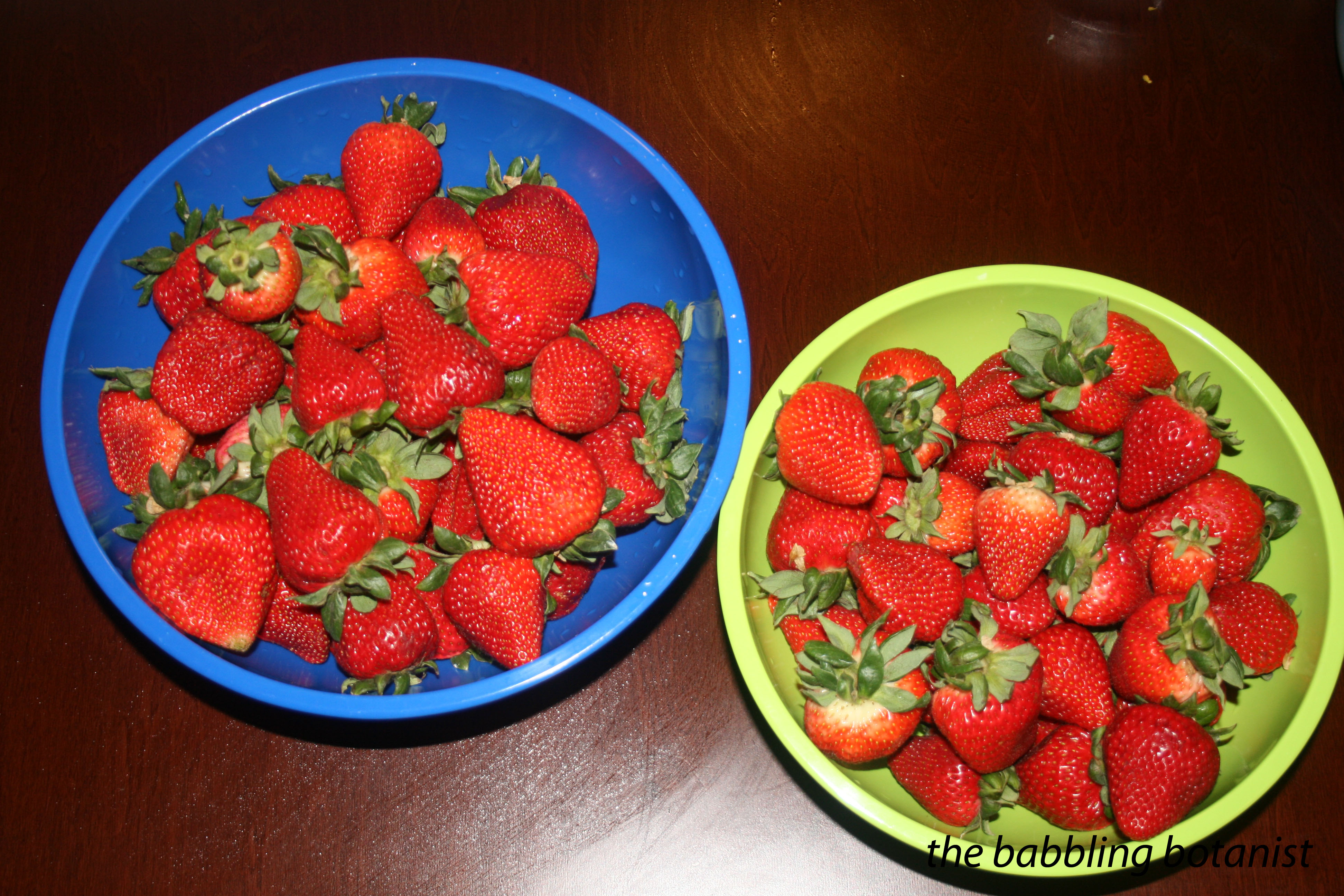
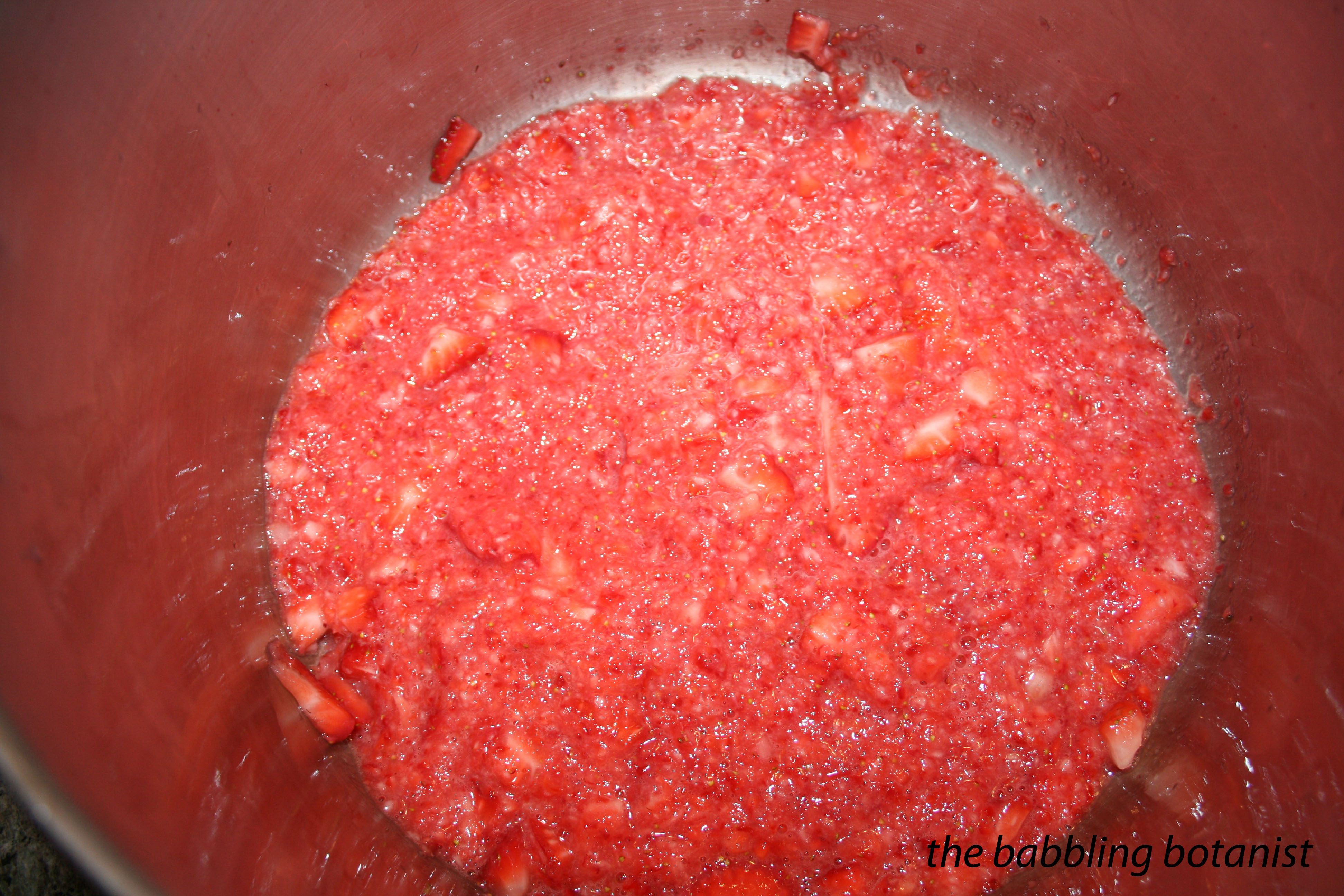
Rinse the berries, and hull them. One layer at a time, mash the berries with a potato masher, and pour the mash into a liquid measuring cup. You want 5 cups of mashed berries total. Crazy Kiki didn’t have a potato masher so you can also use the blender. But you DO NOT want a puree. You want a chunky mash, so just do maybe a cup of berries at a time and give it a quick pulse.
IMG_1685 copy

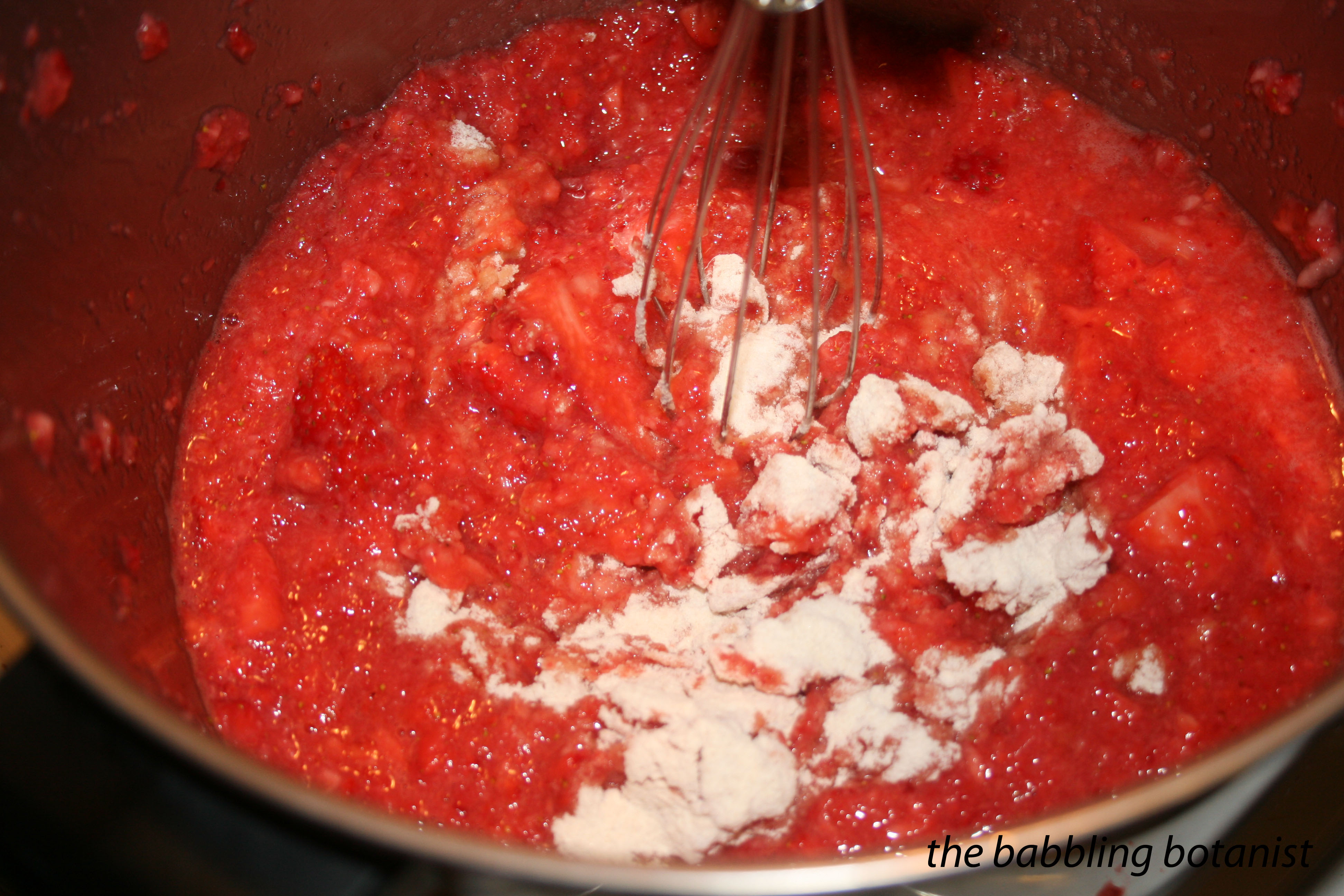
Once you have 5 cups of mash in a large pot add your lemon juice, and whisk in the pectin to dissolve. If you want a fun modification of this recipe, you can add a half of a vanilla bean at this point to make strawberry vanilla jam. Just put it in now and remove before filling the jars.
IMG_1702 copy

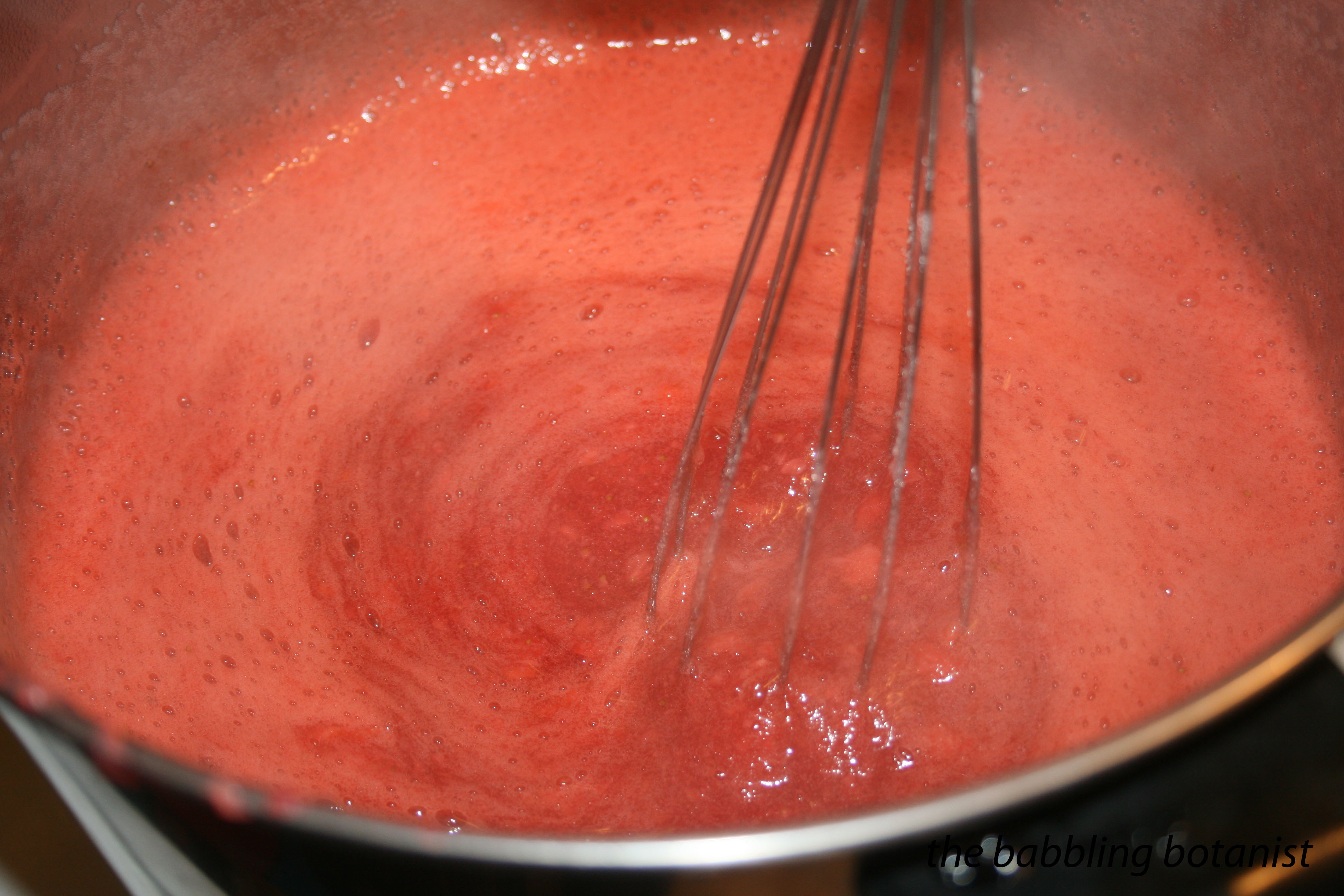
Turn the burner on to high, and bring the mixture to a boil. Stir frequently to prevent sticking. Once at a full rolling boil, add the sugar all at once. Return to a full rolling boil that you can’t stir down. Time one minute of boil, stirring constantly. After one minute, remove the jam from the heat, and skim off any foam. This jam tends to get quite foamy so it’s actually worth it to skim.
IMG_1716 copy

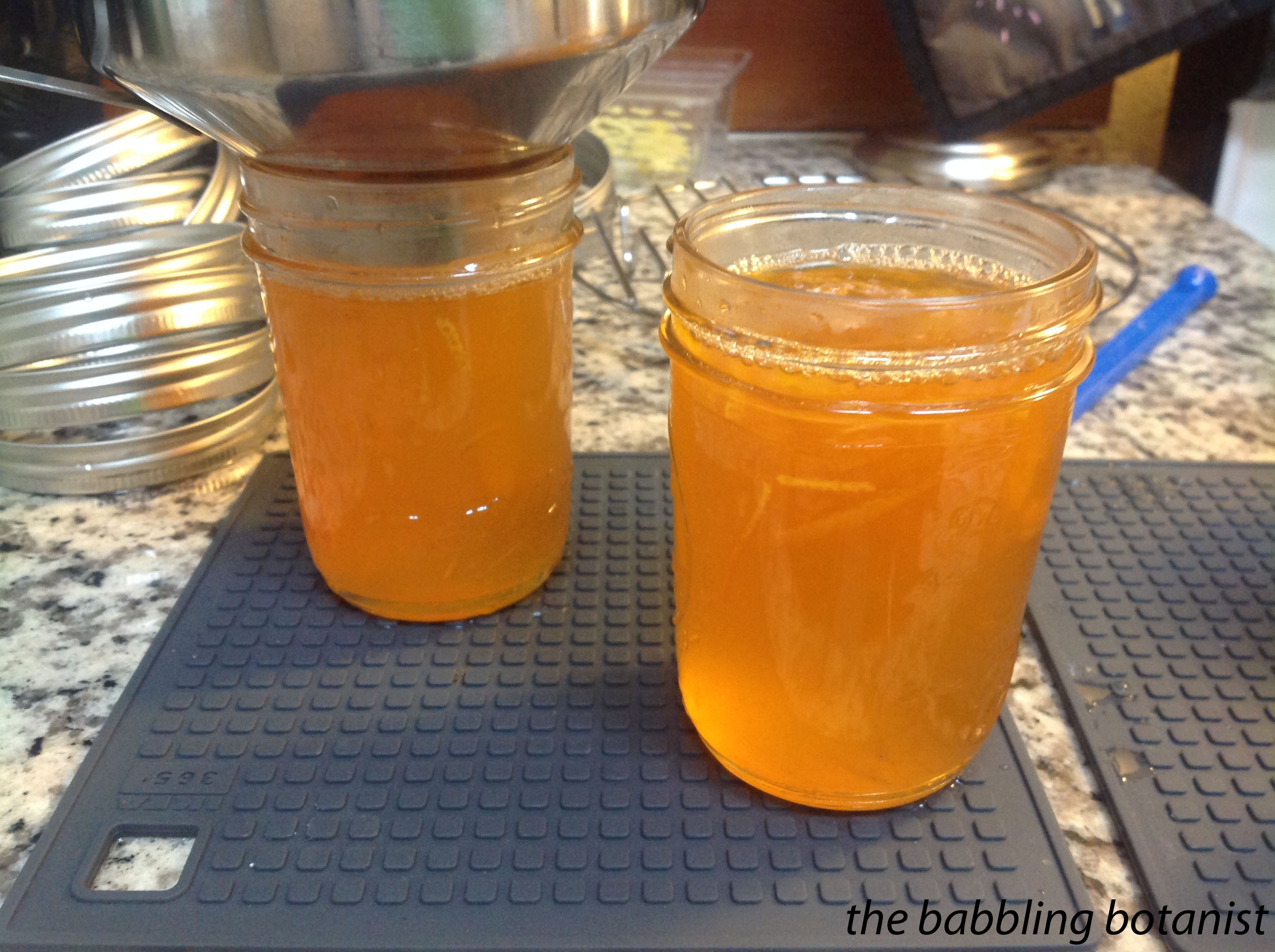
Remove the hot jars from the canner, and fill each jar, leaving a quarter inch head space. Wipe the rims, apply the lids finger tip tight, and place the jars in the canner covered by at least 1-2 inches of water.
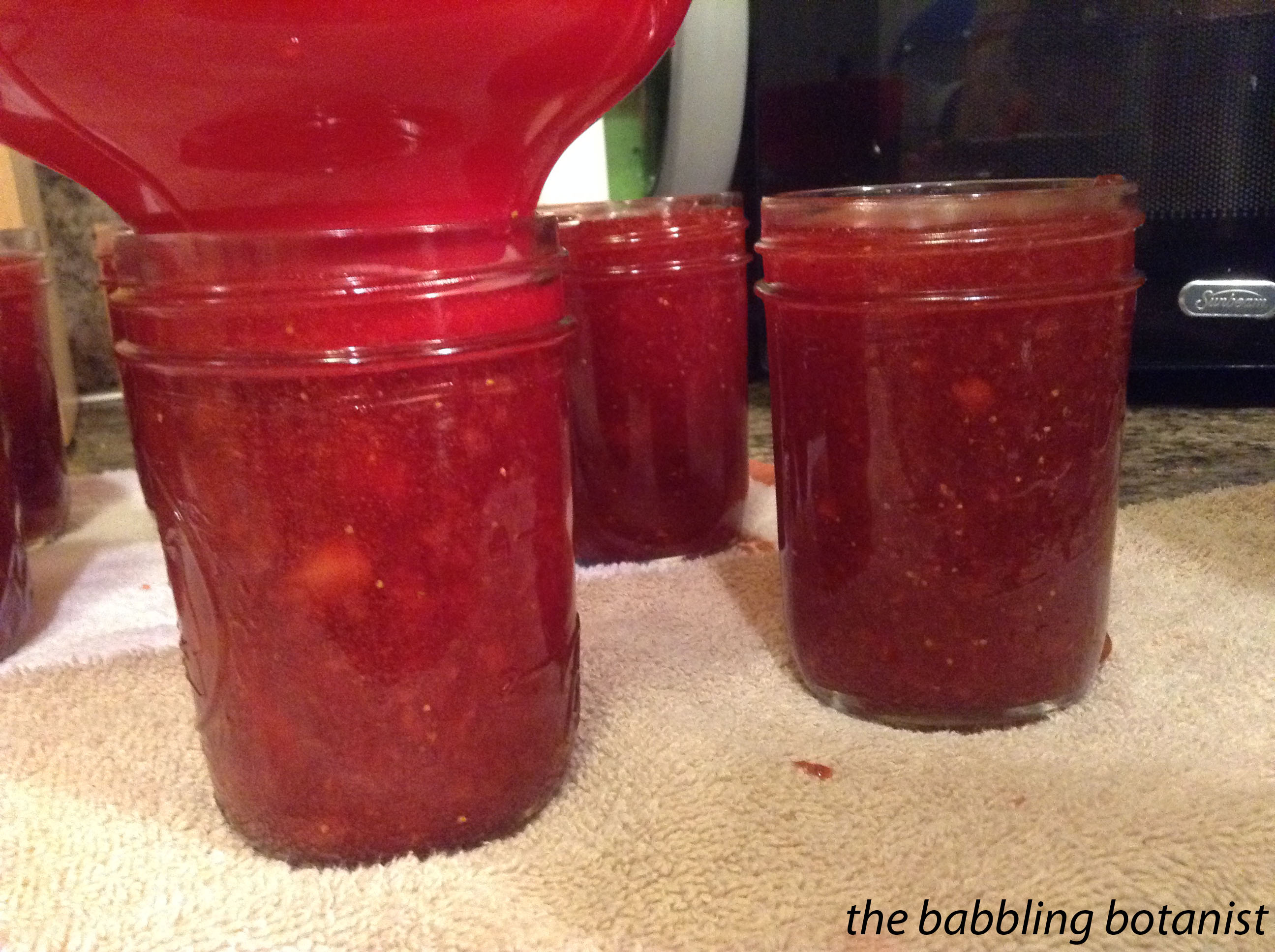
photo 2 copy

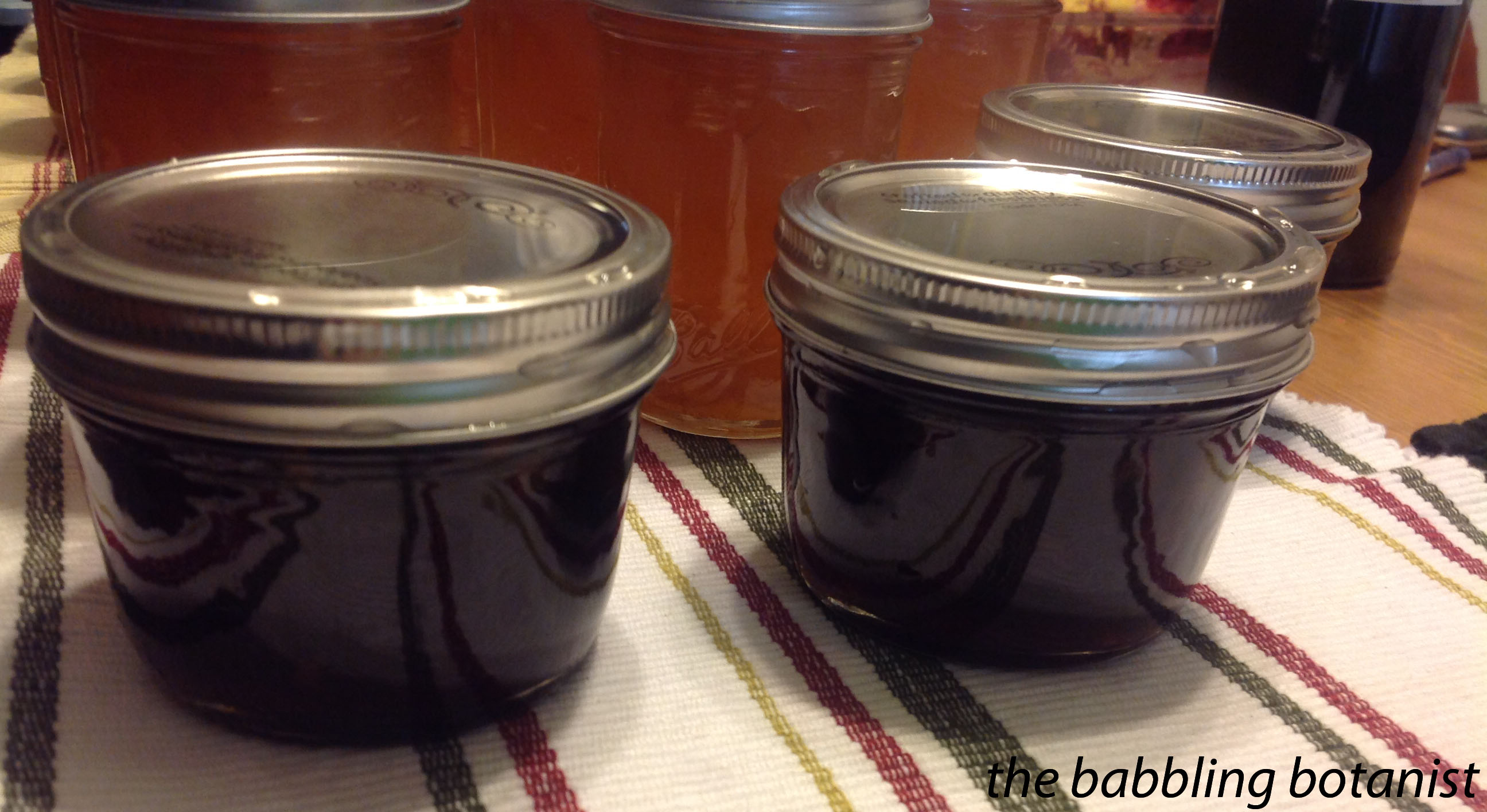
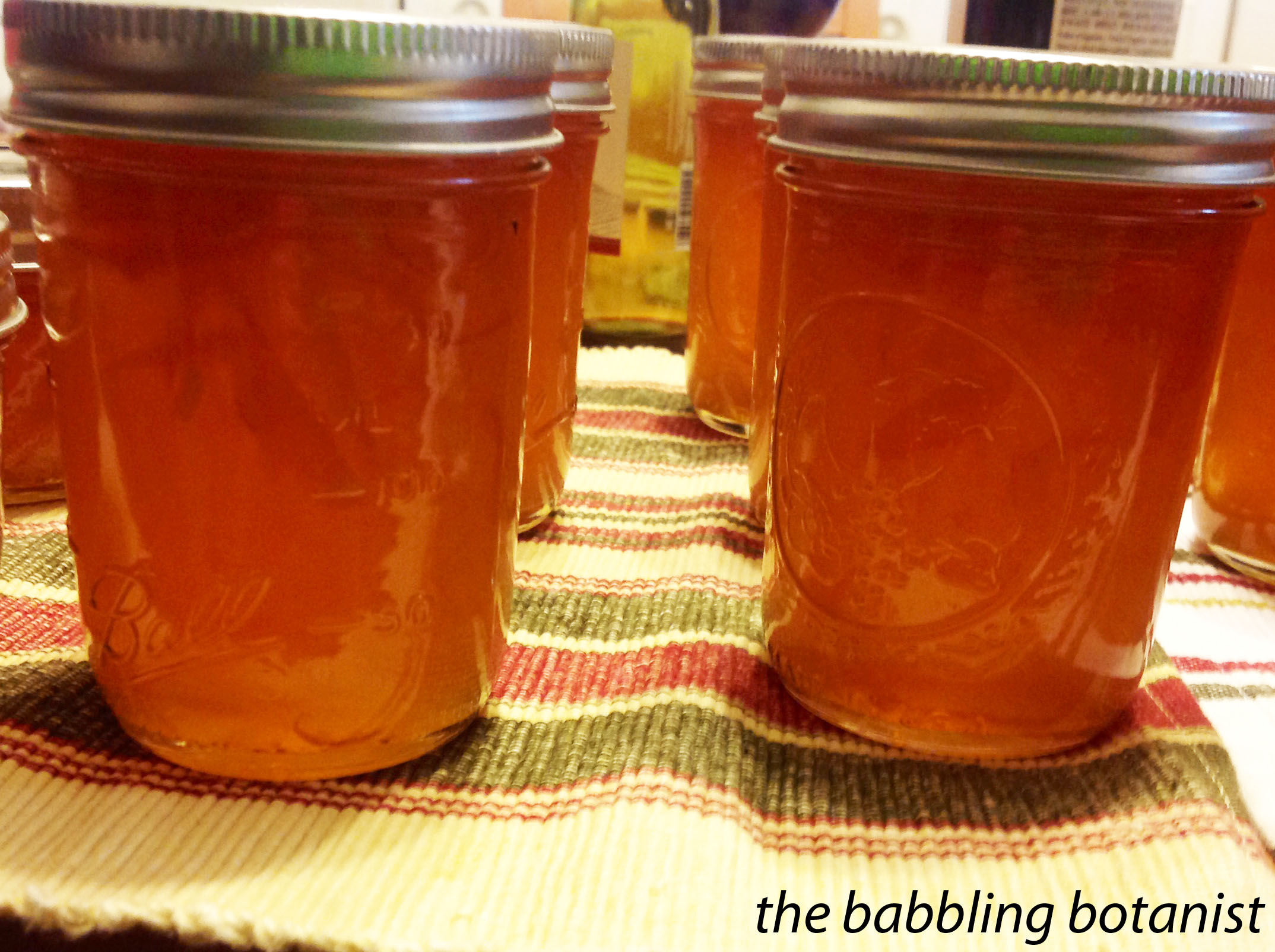
Process the jars for 10 minutes, starting the time when the water is at a full rolling boil. After 10 minutes turn off the heat, remove the canner lid, and wait 5 minutes before removing the jars to a hot pad or towel. Leave the jars undisturbed for 12-24 hours, check the seals, remove the bands, wipe clean, label and store.
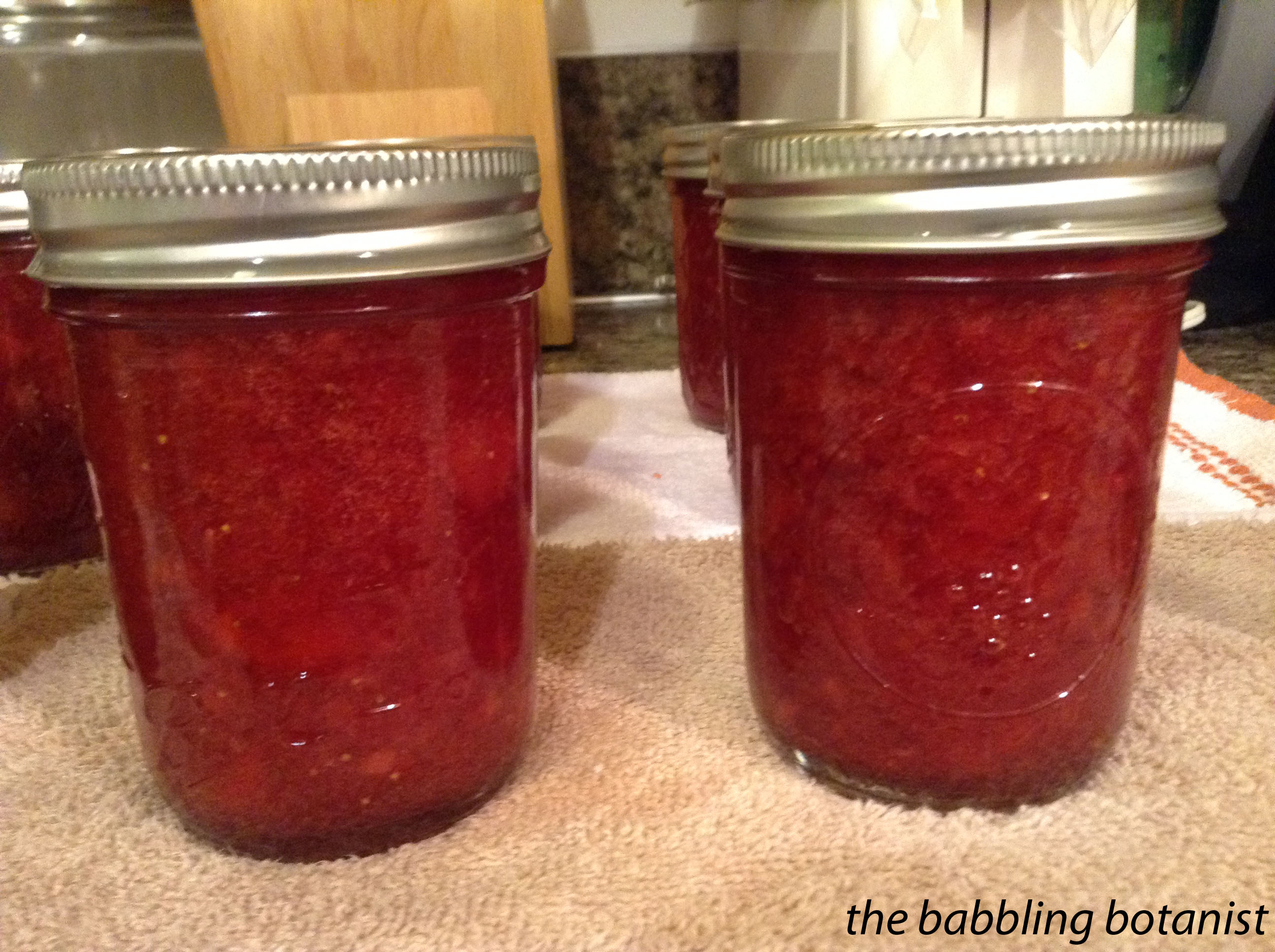
photo 3 copy

*this post contains affiliate links, please see the “About the Blogger” page for more information
Rhubarb Orange Jam

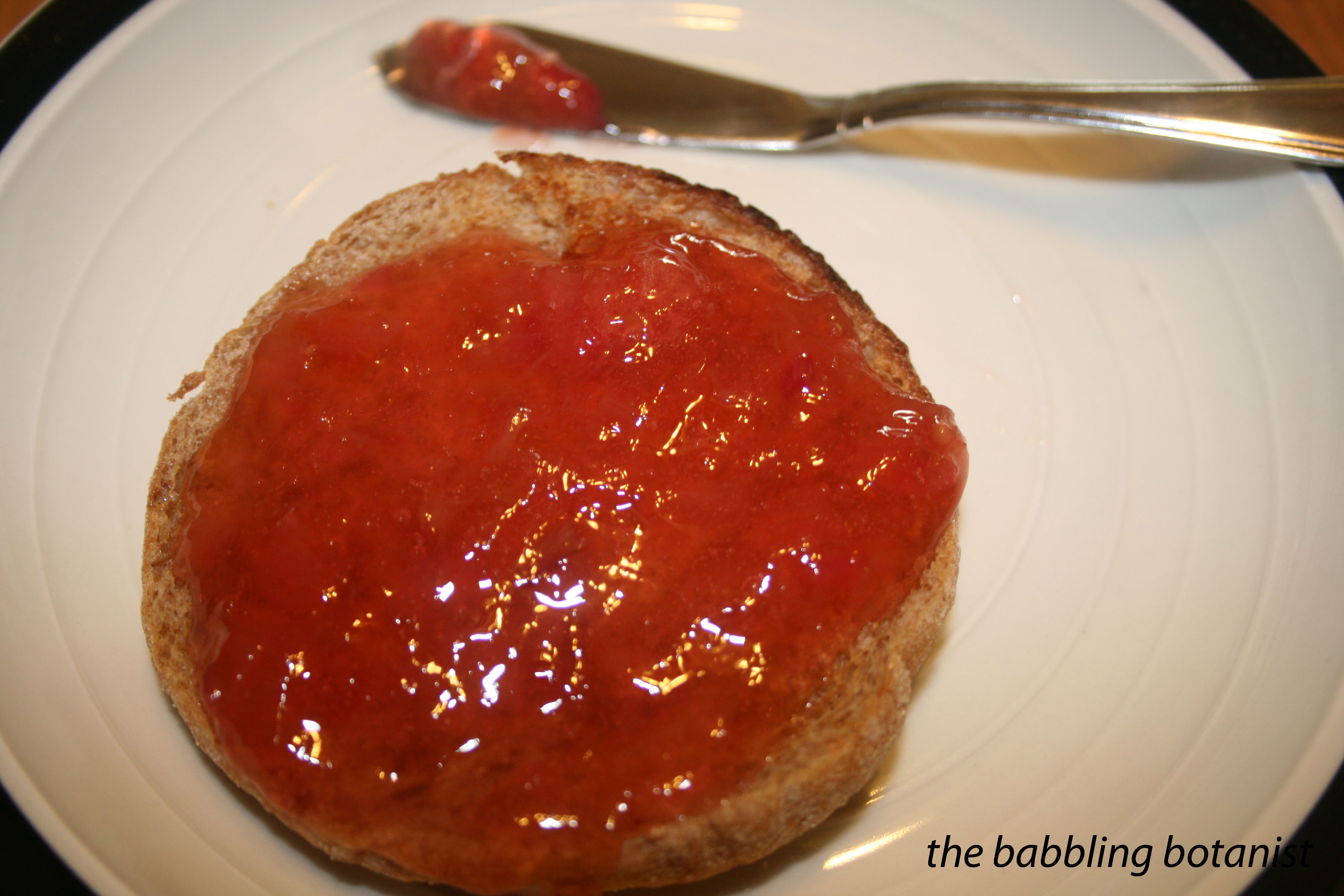
I’ve been itching to can with the warm weather we’ve been having, but there is not too much in season quite yet. One thing that is ready to go though is rhubarb! So I cracked open my Ball Complete Book of Home Preserving, looked up rhubarb in the glossary and found this rhubarb orange jam recipe. I went full sugar for this recipe, since rhubarb and orange sounded like quite the tart combination, but you rhubarb lovers are welcome to pick up a box of low sugar pectin if you so desire. It’s really quite a delicious combination of sweet and tart. I enjoyed my little bit of leftovers on an English muffin.

IMG_1616 copy

This recipe yields 7 half pints.

Ingredients:
2 oranges
5 cups finely chopped rhubarb
1 package fruit pectin
6 cups sugar

IMG_1589 copy

Here’s how it’s done. This is a nice and easy pectin jam, and dang is it delicious!

First prepare your canner, jars, and lids. This recipe is a quick one.

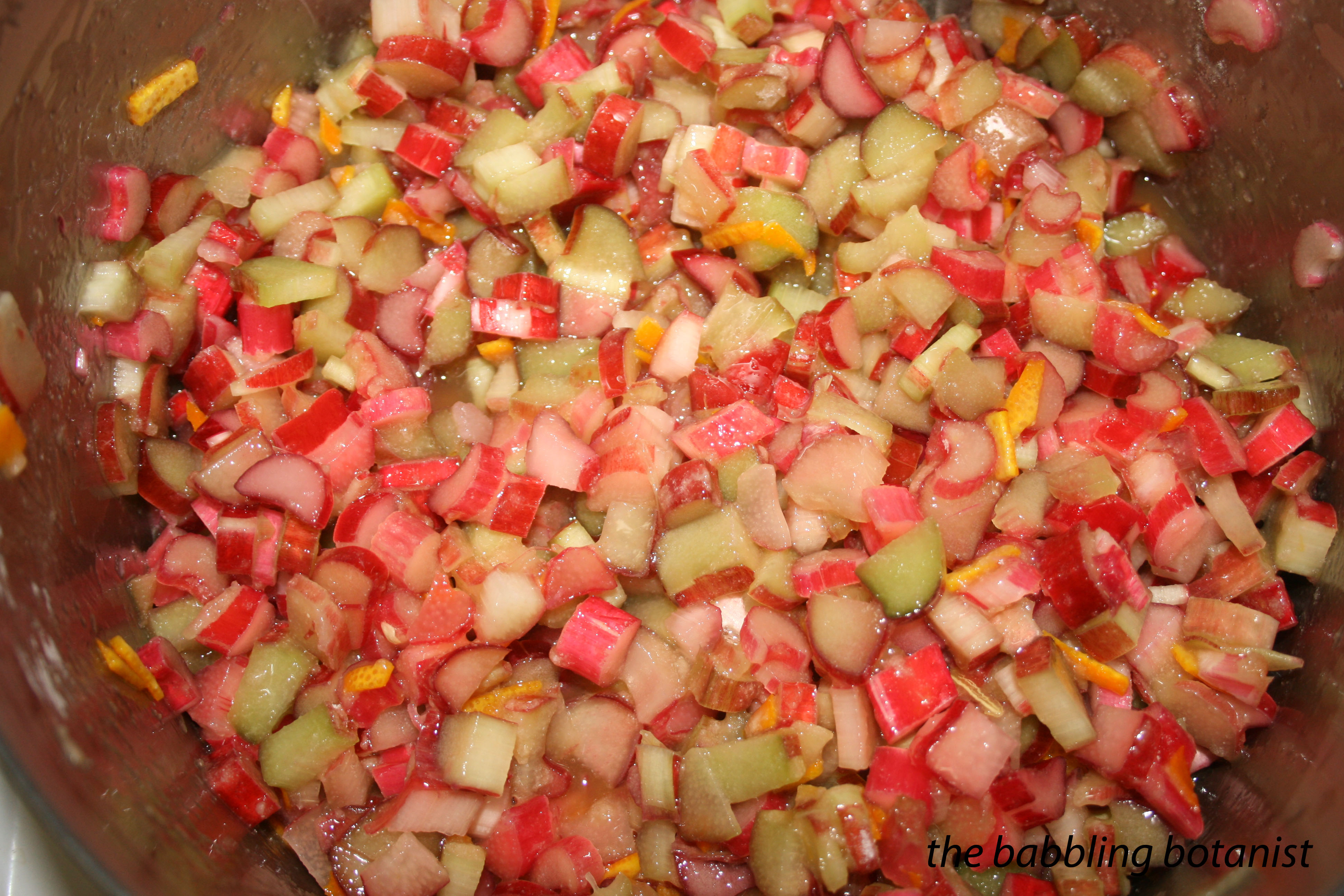
Finely chop the rhubarb. Peel one half of one of the oranges and chop the peel finely. Juice the two oranges and measure the juice. You want at least a full cup, so if you don’t have quite enough top it off with a bit of water.

Combine the orange juice, rhubarb and pectin in a large pot. Stir to dissolve the pectin.

IMG_1598 copy

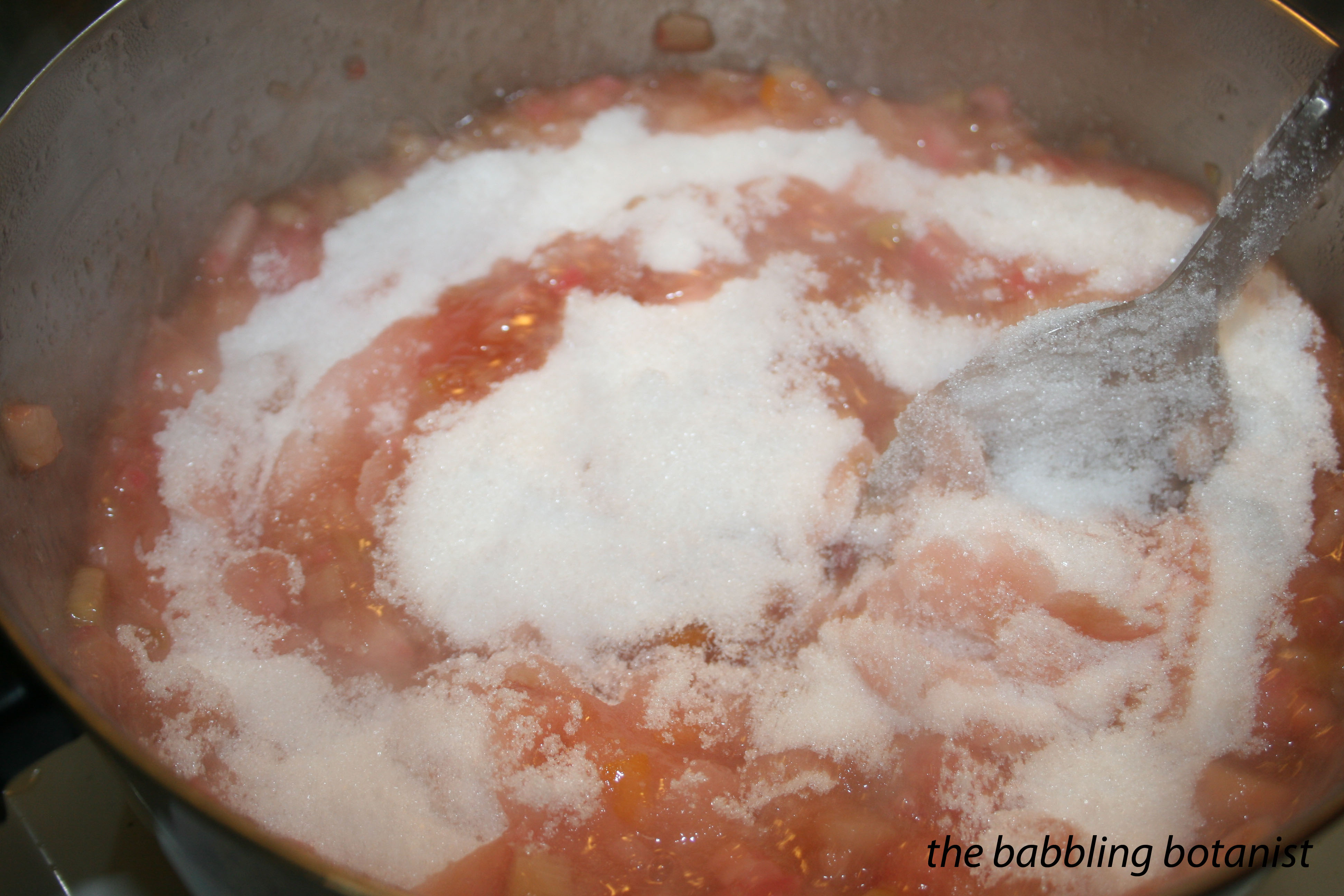
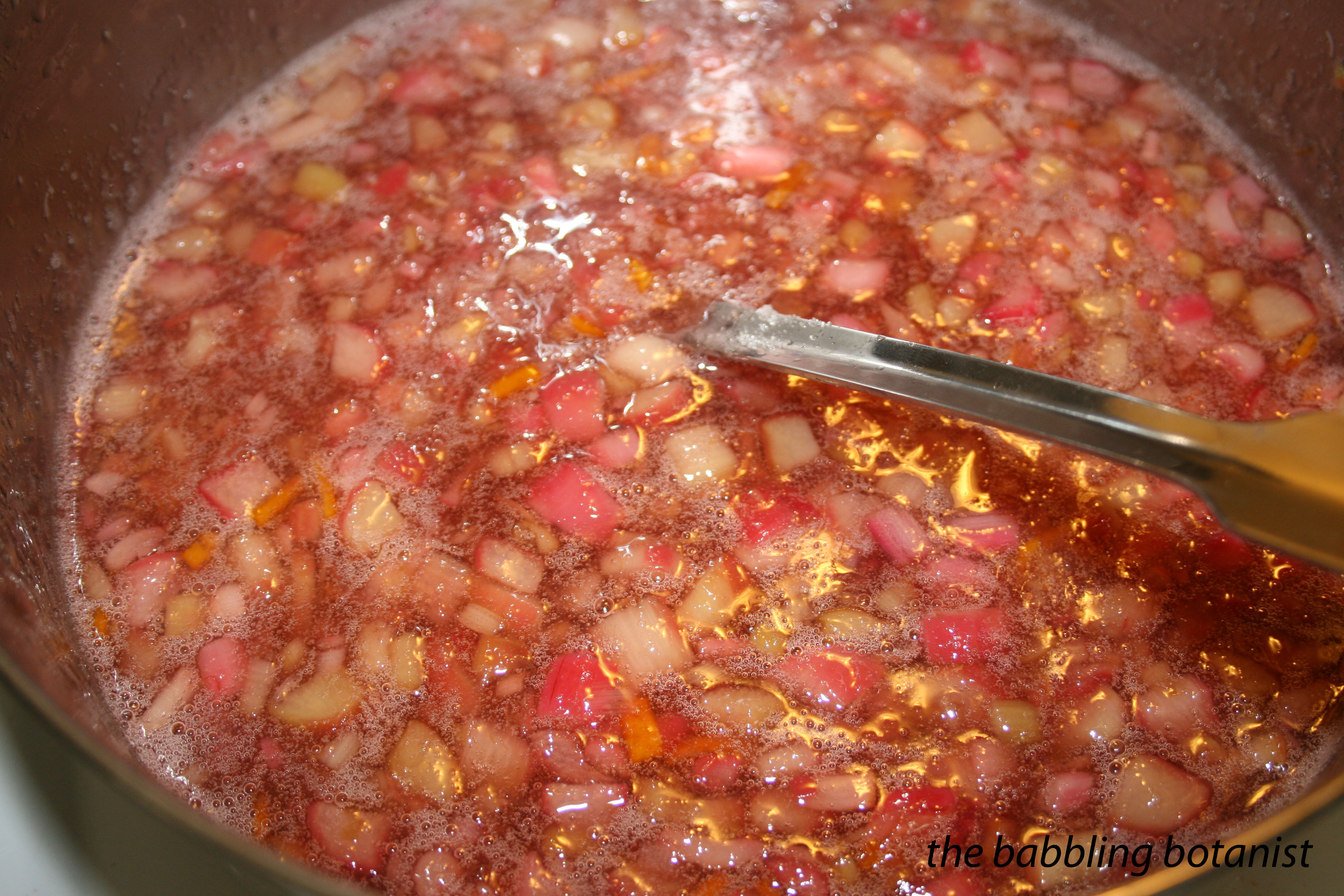
Bring to a boil over high heat, stirring frequently. Once at a full boil add the sugar all at once. I let it boil a minute or two before adding the sugar, just to get the rhubarb nice and soft.

IMG_1606 copy

Bring the mixture back to a full boil. Stir constantly to prevent burning. Once at a full boil, time one minute of hard boiling. Remove from heat.

IMG_1608 copy

Fill the jars, leaving a quarter inch head space. Wipe the rims, apply the lids, and tighten the bands finger tip tight. Place the full jars in the canner, covered by at least one inch of water. Bring to a full rolling boil and process for 10 minutes. After 10 minutes, remove the canner lid, wait 5 minutes and remove the jars to a hot pad or towel.

IMG_1612 copy

Isn’t that a gorgeous jam!?

Let the jars cool 12-24 hours, check the seals, remove the bands, label and store. This jam is delicious and so easy! If you have the canning itch too, make it, you won’t regret it.

IMG_1639 copy

*this post contains affiliate links, please see the “About the Blogger” page for more information
Countin’ your cans… for bragging rights, and a purpose

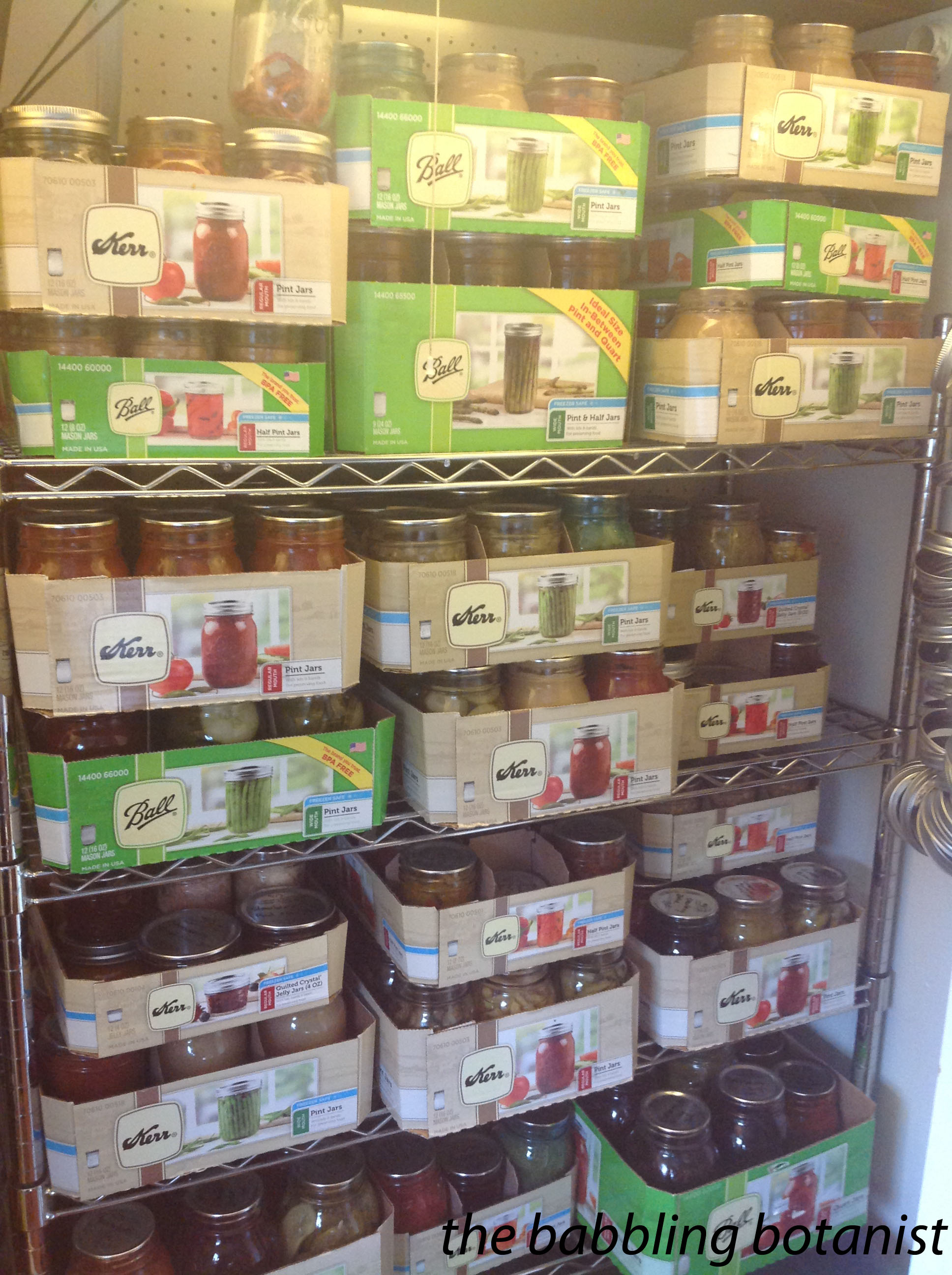
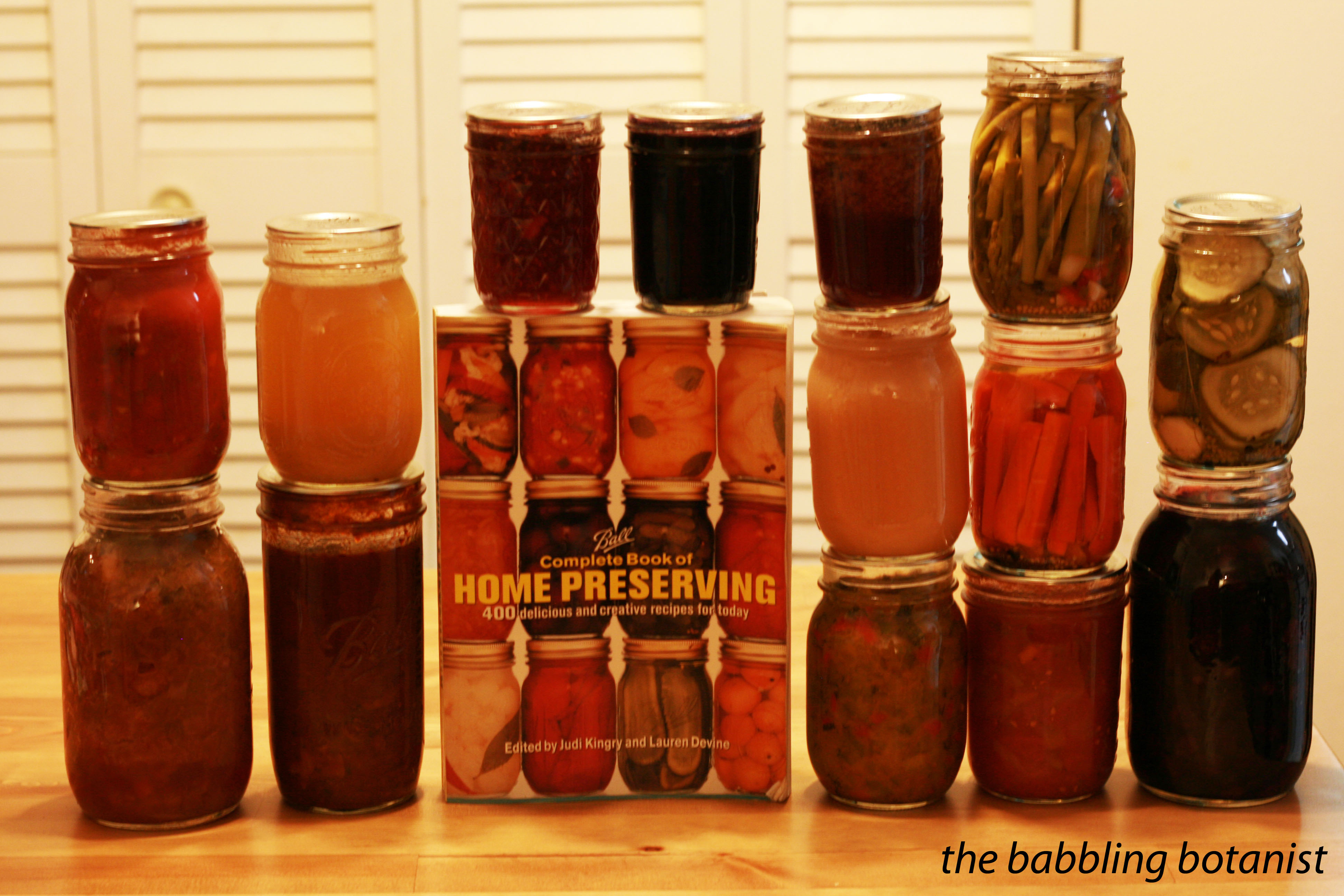
OK, so it may seem like I’m just doing this post to brag about the abundance of goodies in my overflowing pantry, but I swear there is also a purpose beyond making you jealous of me. Why keep a tally of how much you can each year? Well I’ll tell you why. My first year canning, I discovered in February that I only had three jars of salsa left! THE HORROR! I couldn’t make more until August! I never should have shared that red gold with anyone; it is too delicious. So last year, I canned 82 pints of it. HA! That’s not even hyperbole – but, when I do salsa I go big with the batches and split it with a friend, so 40 or so of those went into my pantry. Point is, are 40 pints of salsa going to get me through until I can make more? So far so good! I’ll let you know if it lasts. So, to get to my point at last. Do you have any idea how many jars of something you eat in a year? Are you always kicking yourself come late winter saying, “I wish I canned more ____!!”? This year keep a tally with me. I promise it’s not a contest, but if it were I think I’d place pretty well 😉 Here’s my canning closet in early November, when the bulk of the real canning season was over.

canning closet
Here she is, the 2013 canning list, just shy of 500 jars

Jams – 95
16 half pints strawberry jam
17 half pints strawberry rhubarb jam
6 half pints raspberry jam
9 half pints blueberry jam
8 half pints fig strawberry jam
8 half pints apricot jam
8 pints strawberry Pinot noir jam
6 pints blackberry cinnamon tequila jam
17 pints spiced cranberry jam

Who in their right mind needs 95 jars of jam!? No one, absolutely no one! Now having said that, these make excellent gifts. 5 went to my nana for her birthday, many went to family members for Christmas, a few went as wedding presents etc. You can have too much jam, but you’ll never have it go to waste.

Pie Filling
11 quarts strawberry rhubarb pie filling
17 quarts blueberry pie filling

Ya eating 28 pies is a lot, but when you are scrambling two hours before a potluck wondering what the heck to bring, man will you be glad for home canned pie fillings.

Pickles and Relishes
28 pints pickles
7 pints pickled asparagus
14 pints pickled carrots
6 quarts pickled beets
8 pints spicy dilly beans
8 pints zesty zucchini relish

You can never have too many pickled goods. They make a good snack, a nice treat to bring to ladies wine night, or a great topping. And this is coming from someone who a few years ago would pick the pickles off her burgers at a restaurant.

Fruits and Fruit Juices
15 quarts peaches in syrup
7 pints applesauce
5 quarts cranberry juice
10 pints of strawberry lemonade concentrate

I need to get more into fruit things, this area is actually kind of lacking for me. But dang I really like making the juices, SO GOOD.

Tomato Products
82 pints salsa
10 pints salsa verde
29 pints tomato sauce
8 quarts crushed tomatoes
5 pints country western ketchup

My favourite category for sure – always can have more tomatoes!

Pressure Canning
14 pints beans
64 half pints tuna
10pints chicken stock
6 quarts pressure canned beets
20 half pints corn

Always great to have these things on hand for a quick meal!

Overall, I think I need to add more savoury to my sweet this year, but I’m pretty proud of this list! What canned goods do you always run out of first? Keep track with me this year so you can better gauge how much you eat, and how much to make of your favourites.

Cherry Marmalade

The next recipe for my Ball canning challenge was cherry marmalade, which we actually made while the Seville Orange Marmalade was cooking down. I realize it’s not cherry season, but I had some in the freezer already pitted that I had intended on making into cherry pie. However, they’d been there all winter and since it was a marmalade kind of day I thought, heck, let’s make another one! This one is page 102 in the Ball Complete Book of Home Preserving.

cherry4 copy

Ingredients:
2/3 cup chopped seeded orange (peeled)
4 cups pitted sweet cherries
4 tbsp lemon juice
3.5 cups granulated sugar

Here’s how we made it:

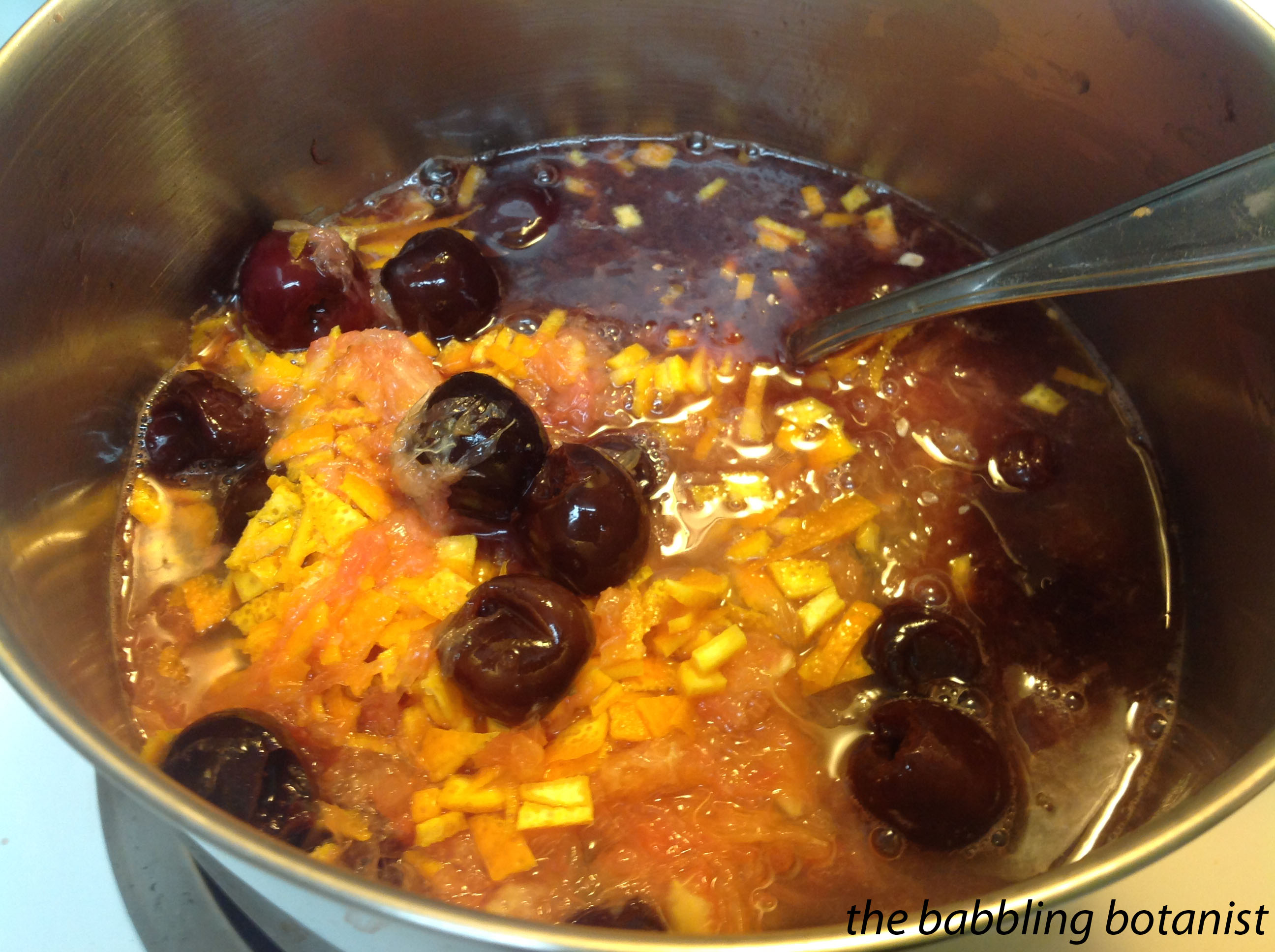
In a large pot combine the cherries, orange and lemon juice. Bring the mixture to a boil over medium high, then reduce the heat, cover and maintain a boil, stirring often. Boil for 20 minutes or so until the peels are softening and the cherries are breaking down a bit.

cherry1 copy

After 20 minutes add the sugar, maintaining a boil. Continue to boil hard, stirring frequently for about 30 minutes, until gel stage is reached.

cherry2 copy

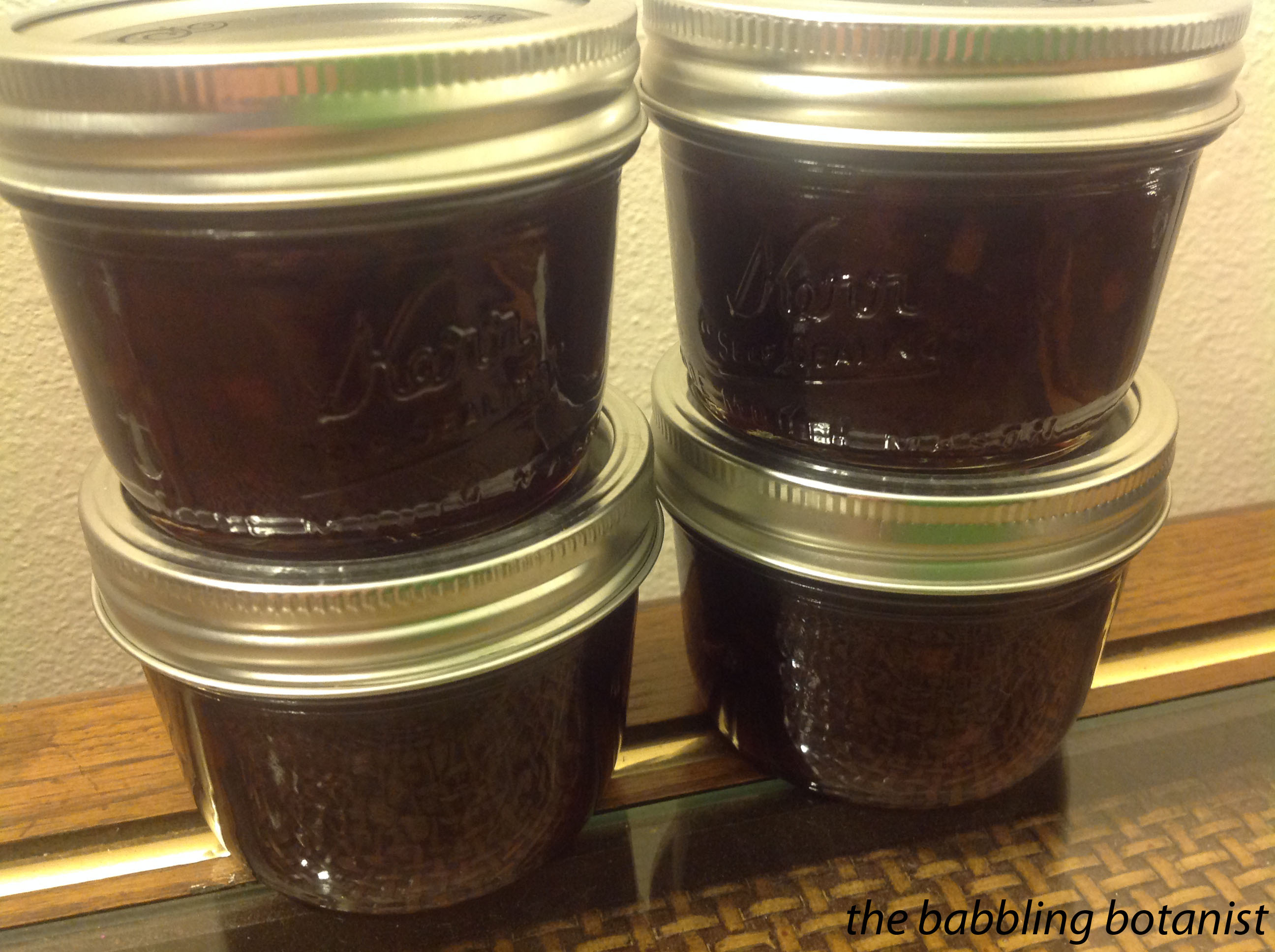
Fill the hot jars leaving a quarter inch headspace. Remove bubbles, wipe the rim, apply the lids and tighten the bands finger tip tight. Place the jars in the canner covered by at least 1-2 inches of water. Bring to a full rolling boil and process for 15 minutes. After the 15 minutes, turn off the heat, remove the canner lid, wait 5 minutes and remove the jars to a hot pad or towel. Ping, ping, ping – marmalade! Wait 12-24 hours, check the seals, remove the bands, wipe, label and store. Deeeeeelish!

cherry3 copy

*This post contains affiliate links. Check out the “About the Blogger” page for more information.

Seville Orange Marmalade

OK – so if you read my post on Friday, you know about the epic challenge I am undertaking – that I plan to can my way through the entire Ball Complete Book of Home Preserving. So here is my first post for that challenge, page 97, my first traditional marmalade.

Ingredients:
2 1/4 lbs Oranges
2 Clementine oranges
2 lemons
12.5 cups hot water
11.5 cups sugar
1/3 cup brandy (optional)

marmalade 1

Here’s how we made it:

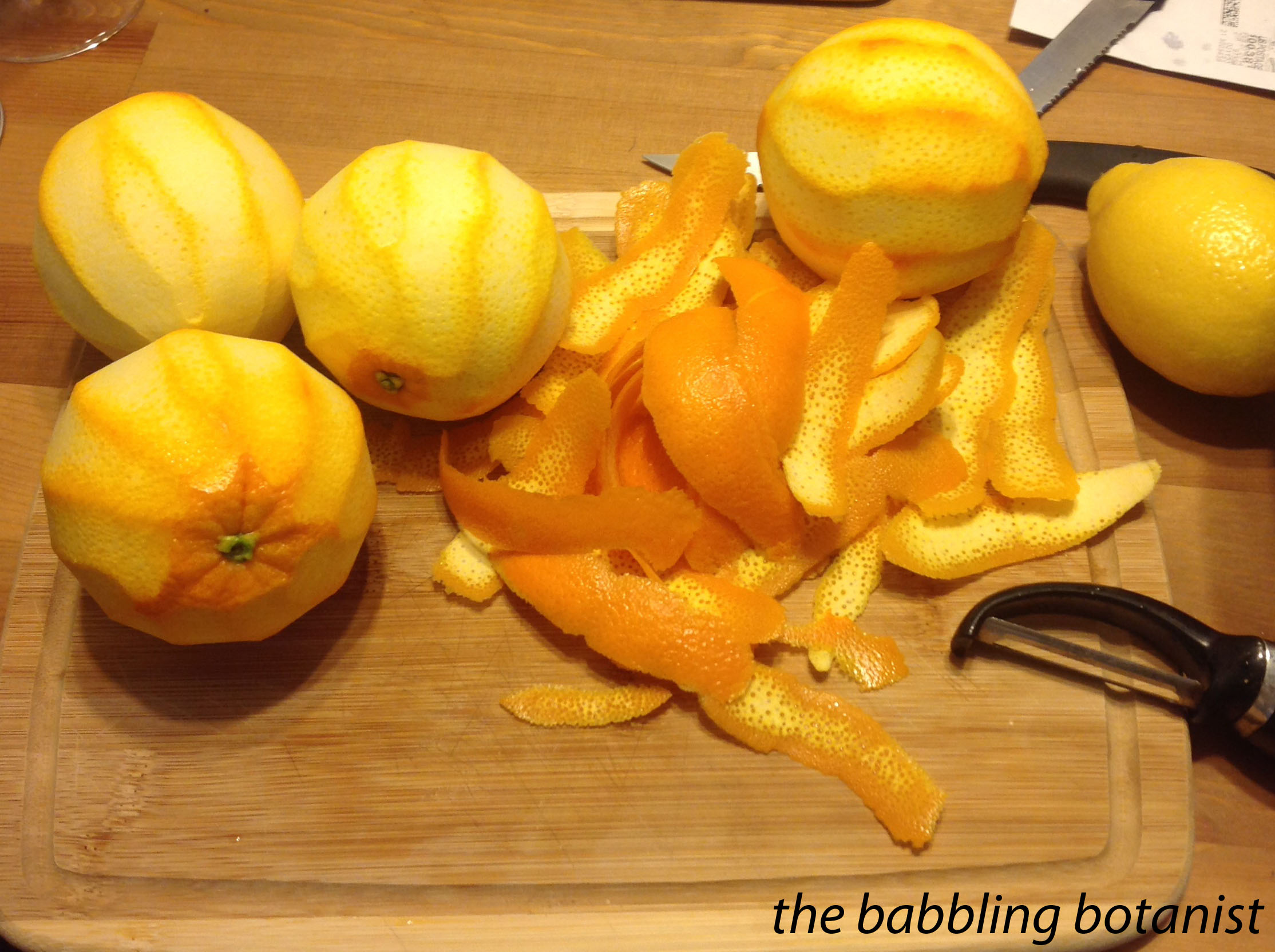
We didn’t 100% follow Ball on how to do step 1 just because we wanted really thin slices of peel, so you can decide which method you prefer. We peeled strips off the oranges with a potato peeler, then peeled off the rest of the peel and juiced them in an electric juicer, reserving the juice. The rest of the peel/rind, seeds and pulp goes into a cheesecloth bag. The other way you can do it is by halving your oranges and lemons and squeezing the juices out into a cheesecloth lined bowl. Then scoop out all the rest of the pulp and seeds into the cheesecloth. If you like the orange slices thick then no problem, follow Ball and now slice those peels as thin as you like them. We just wanted really thin slices. Whichever way you do it, reserve the juices, and tie the pulp, peel and seeds up in a cheesecloth bag.

marmalade 2

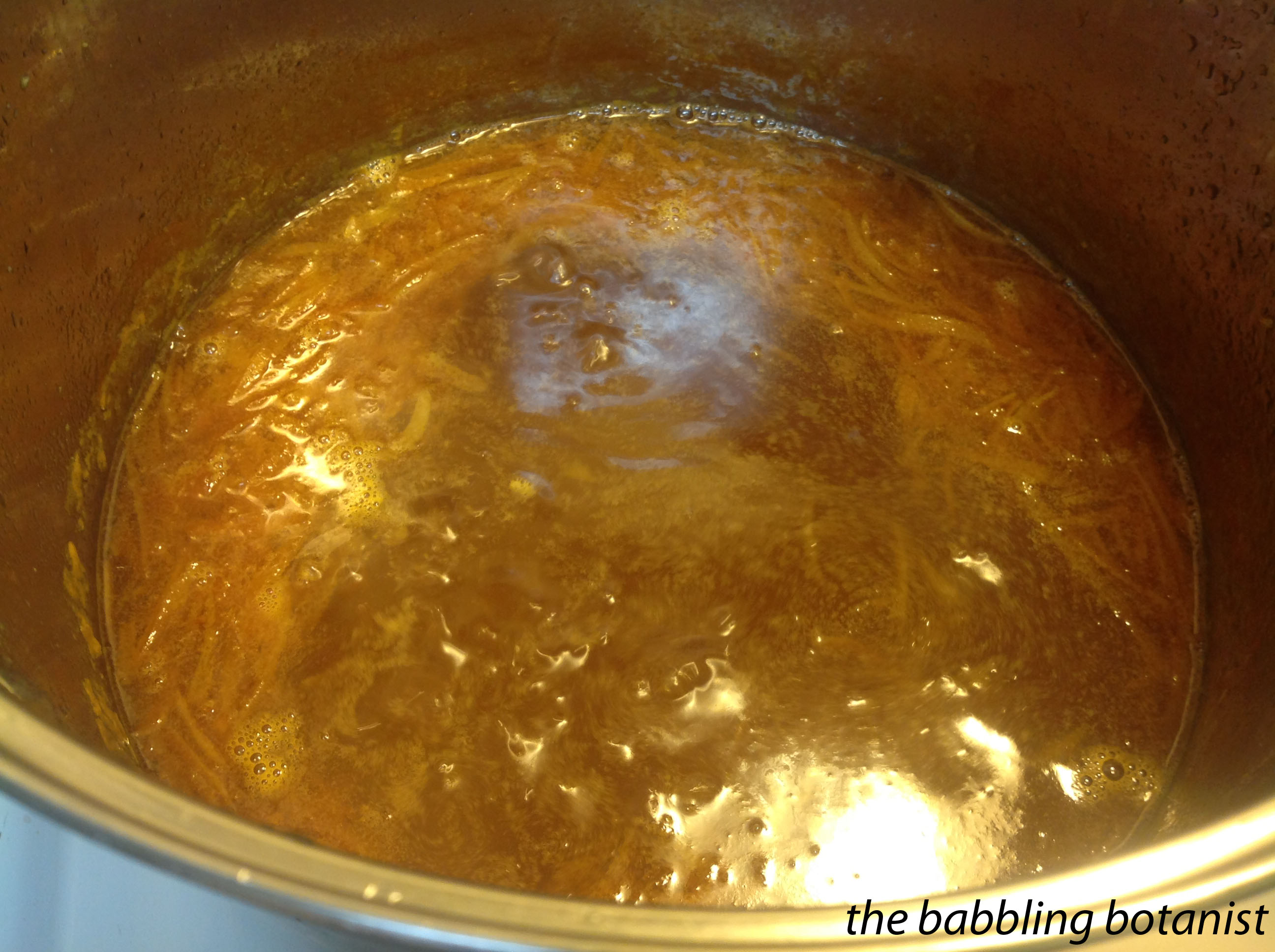
Combine the juices, peel slices, pulp sack and hot water in a large pot. Bring to a boil, then reduce the heat and continue to boil gently. The goal is to get the peel nice and soft, and reduce the total volume by nearly a half. This will take about 1.5-2 hours.

marmalade 3

After the hour and a half or so you’ll remove the cheesecloth bag. Try and squeeze it out pretty well back into the pot, or set it in a strainer so you can add those tasty juices back. At this point you want to check that you have pretty close to 10 cups of liquid remaining. If you have more left (like we did) this can affect the quality of your set. So if you are still well over 10 cups you can either discard some or let it boil down a little longer.

marmalade 4 copy

Time to prepare the canner, jars and lids. This recipe will yield 11-12 half pints.

Bring your juice back up to a boil, stirring constantly. Slowly add in the sugar. Maintain a hard boil for 15 minutes or so while stirring occasionally, until gel stage is reached. Once it reaches gel you can add the brandy if you are using it.

marmalade 5 copy

Fill the hot jars with marmalade, leaving a 1/4 inch head space. Wipe the rim, apply the lid, and tighten the band finger tip tight.

As you can maybe tell, our marmalade was a little thinner than it should have been. I’m pretty sure this is due to us not making sure we had 10 cups of liquid, so definitely don’t skip that step. It also did set more and more throughout the week, so if it’s not perfect at first don’t panic.

marmalade 6 copy

Place the jars in the canner covered by at least 1-2 inches of water. Bring to a full rolling boil and process for 10 minutes. After the 10 minutes, remove the canner lid, wait 5 minutes, and remove the jars onto a hot pad or towel. After 12-24 hours when they have cooled, check the seals, remove the bands, wipe the jars, label and store. Wait a few weeks to eat them for the best set.

marmalade 7

*This post contains affiliate links. Check out the “About the Blogger” page for more information.

~~~ An Epic Canning Challenge and a Book Review ~~~ The Ball Complete Book of Home Preserving

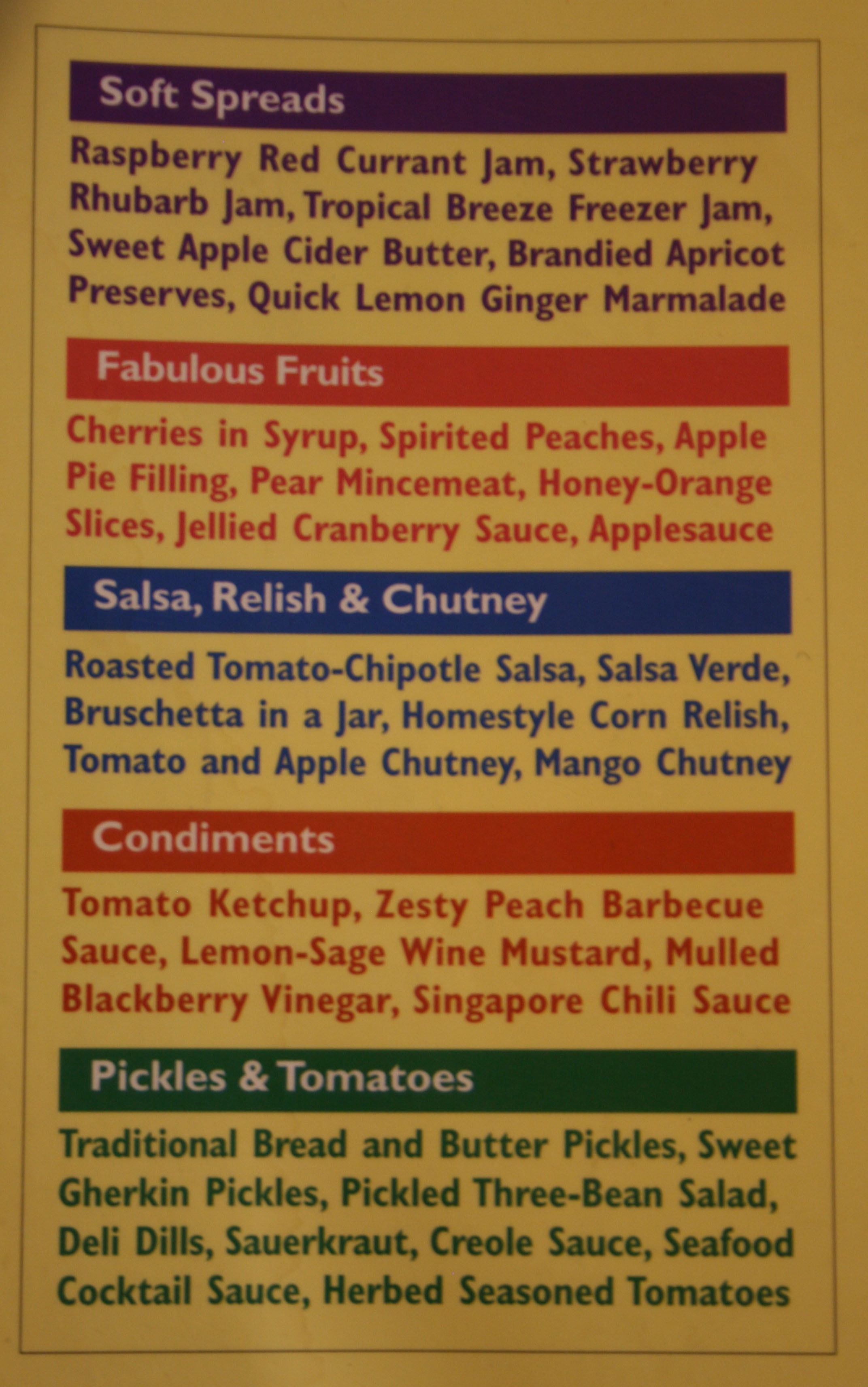
The Ball Complete Book of Home Preserving is a book that every canner should have in their collection. I don’t know why it has taken me this long to give you a review of it since it’s basically the first book you should refer to when you decide, “I want to can today!” But first – the epic canning challenge! When I started canning with my friend Kiki, we joked that we should challenge ourselves to can everything in Ball, a.k.a. my canning bible. Alas, something was holding us back… and it’s name was marmalade… chutney….and a few other preserves. The chapter on soft spreads has some downright weird sounding recipes in it. However, last week we conquered two marmalades (recipes coming soon) and I’ve decided, the challenge is on. We are going to can EVERY recipe in the book! This could take a while, but I’m in it for the long haul. Bring it on Ball!!

ball

So let’s talk about the book for a minute. It’s not called the “complete” for nothing. This book has 400 recipes in a broad range of categories, and has TESTED and TRUSTED recipes. This should be the book you check when you read a recipe elsewhere that doesn’t sound quite right. Remember, anyone can write a canning book or blog, but Ball’s recipes are ones that you know you can trust. They have lots of nice tips in the columns also, and a good section on getting started.

IMG_1215

In the Ball Complete Book of Home Preserving you will find everything from jams and marmalade, salsas and chutney, to pressure canned soups and stocks, condiments and pickles. So get this book now, canning season is just around the corner and it’s currently only like $13 on amazon. It is definitely worth that! So get it and follow along as I can and blog my way through the entire book!

IMG_1220

*This post contains affiliate links. Check out the “About the Blogger” page for more information.

Pickled Carrots

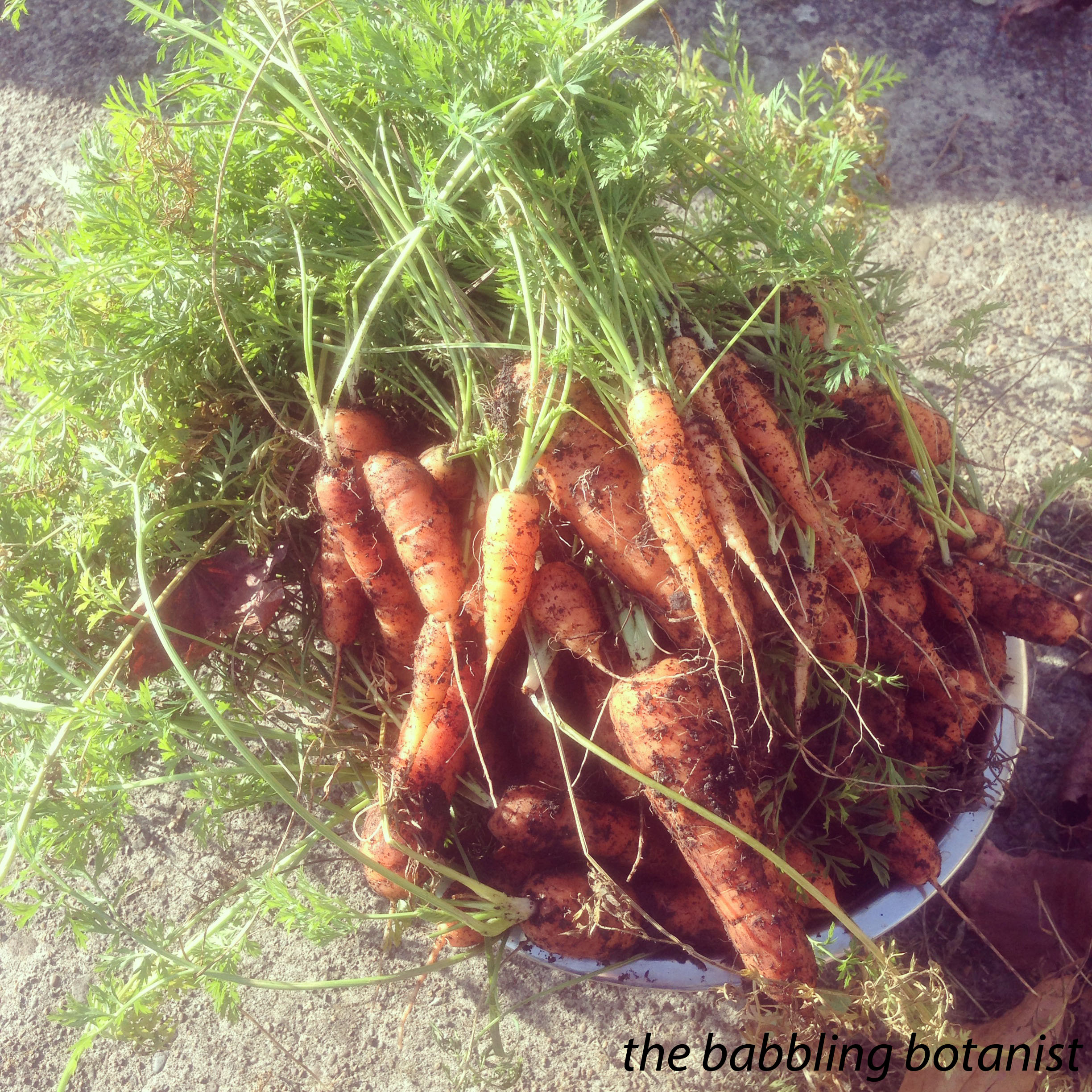
A few months ago I made pickled carrots with my very last garden harvest of the season. Taking these tasty morsels to a ladies night recently reminded me I still haven’t posted the recipe. Pickling is one of the easiest things in canning, yet so satisfying and cost efficient if you love pickled goodies. I highly recommend it. If you have that winter canning itch right now then heck, get some carrots from the grocery store to make these bad boys, ain’t no law against that!

carrot1

This recipe comes from the Ball Complete Book of Home Preservation, with some slight additions to the spices. Remember, you can change the spices to suit your taste, but don’t mess with the vinegar to water ratio of tested recipes.

Ingredients:
5 pounds carrots
6 cups white vinegar
2 cups water
1/2 cup pickling/canning salt
8 cloves garlic
Dill – fresh heads are great if you have it, or seeds
Hot pepper flakes
Mustard seed
Whole Peppercorns

Here’s how it’s done:

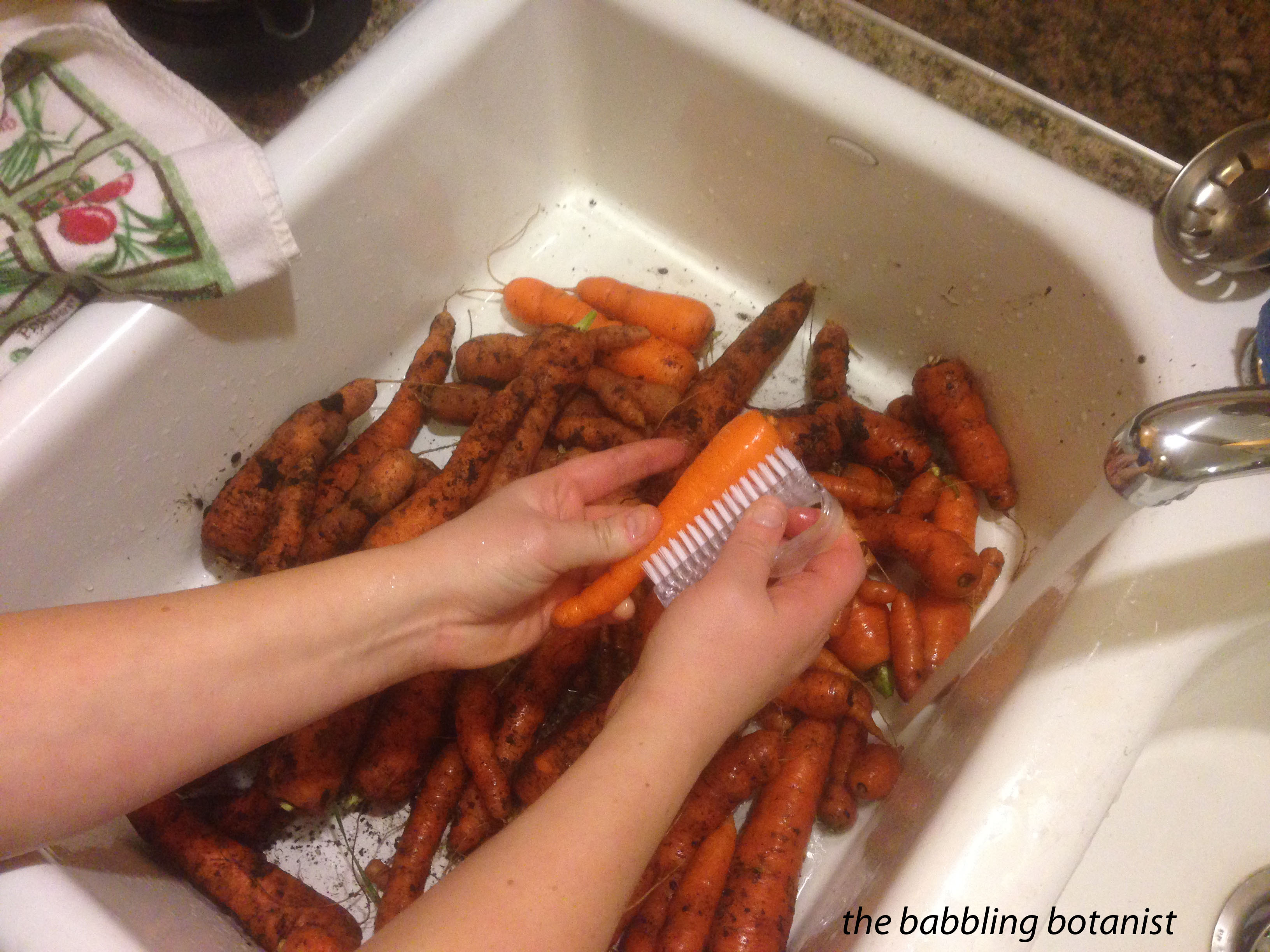
Carrots obviously grow underground, so the hardest step is getting them clean. Buying a cheapo nail brush was definitely worth it! Especially if you grew your own and they are caked with mud.

carrot2 copy

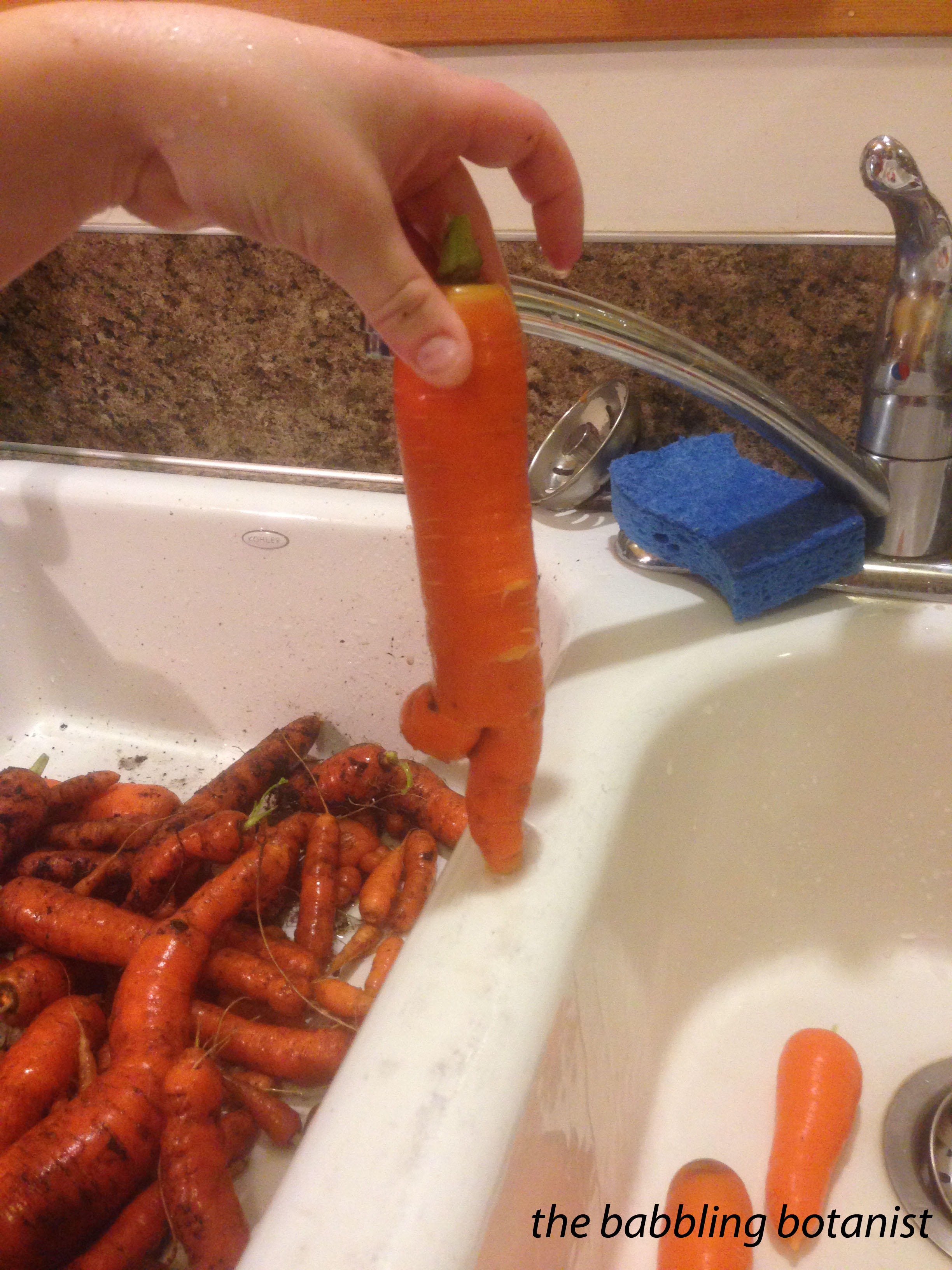
Well hello there good lookin’.

carrot3

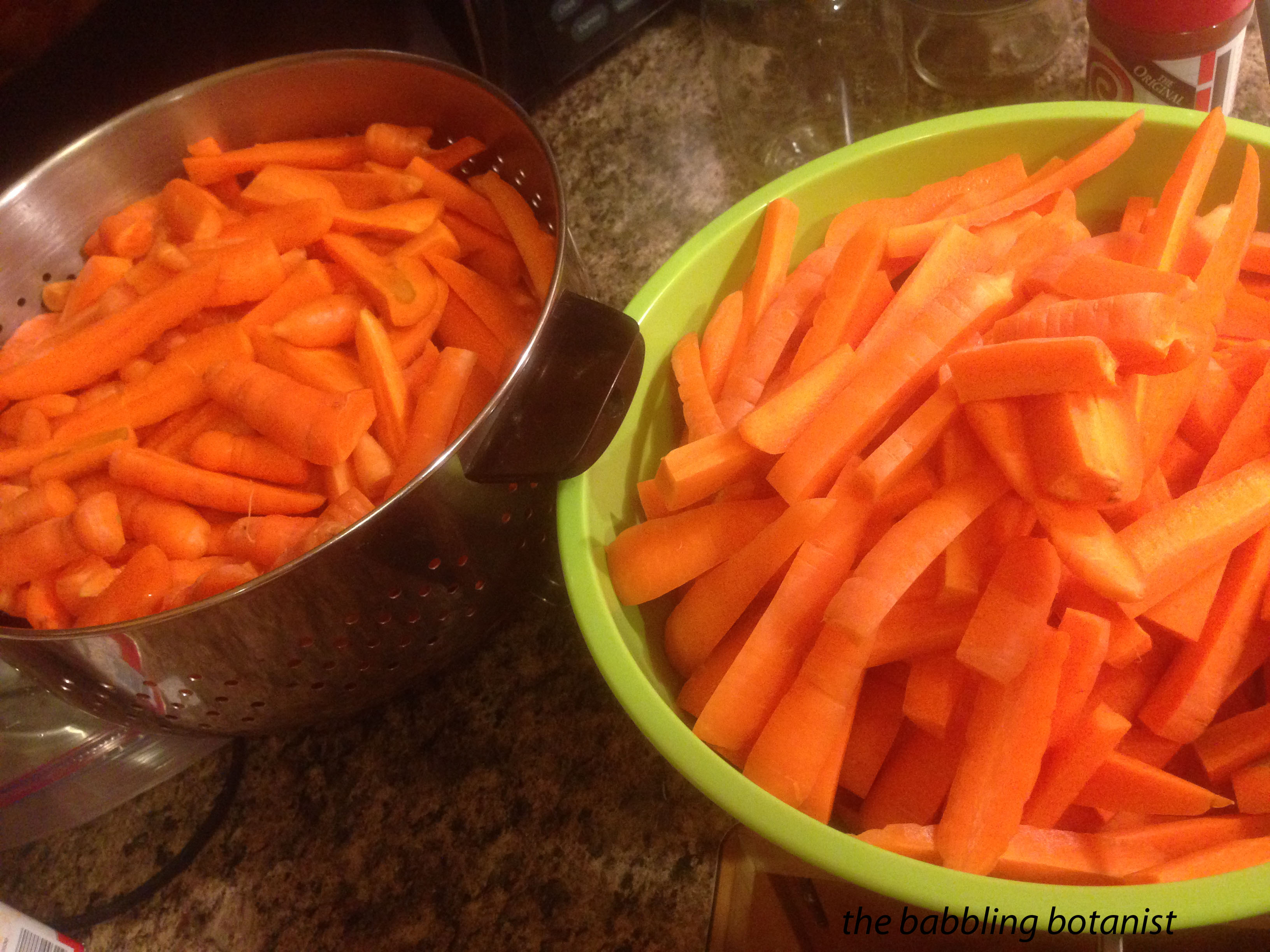
Chop them up into the size you prefer. We did sticks but you can certainly do coins if you prefer. Don’t do them too thin or they can get soggy, but this recipe has a pretty short canning time so they don’t get really soft which is nice.

Prepare the canner, and about 7 or 8 pint jars. While that is heating, combine the vinegar, water and salt in a large pot and bring to a boil over medium high heat.

carrt4 copy

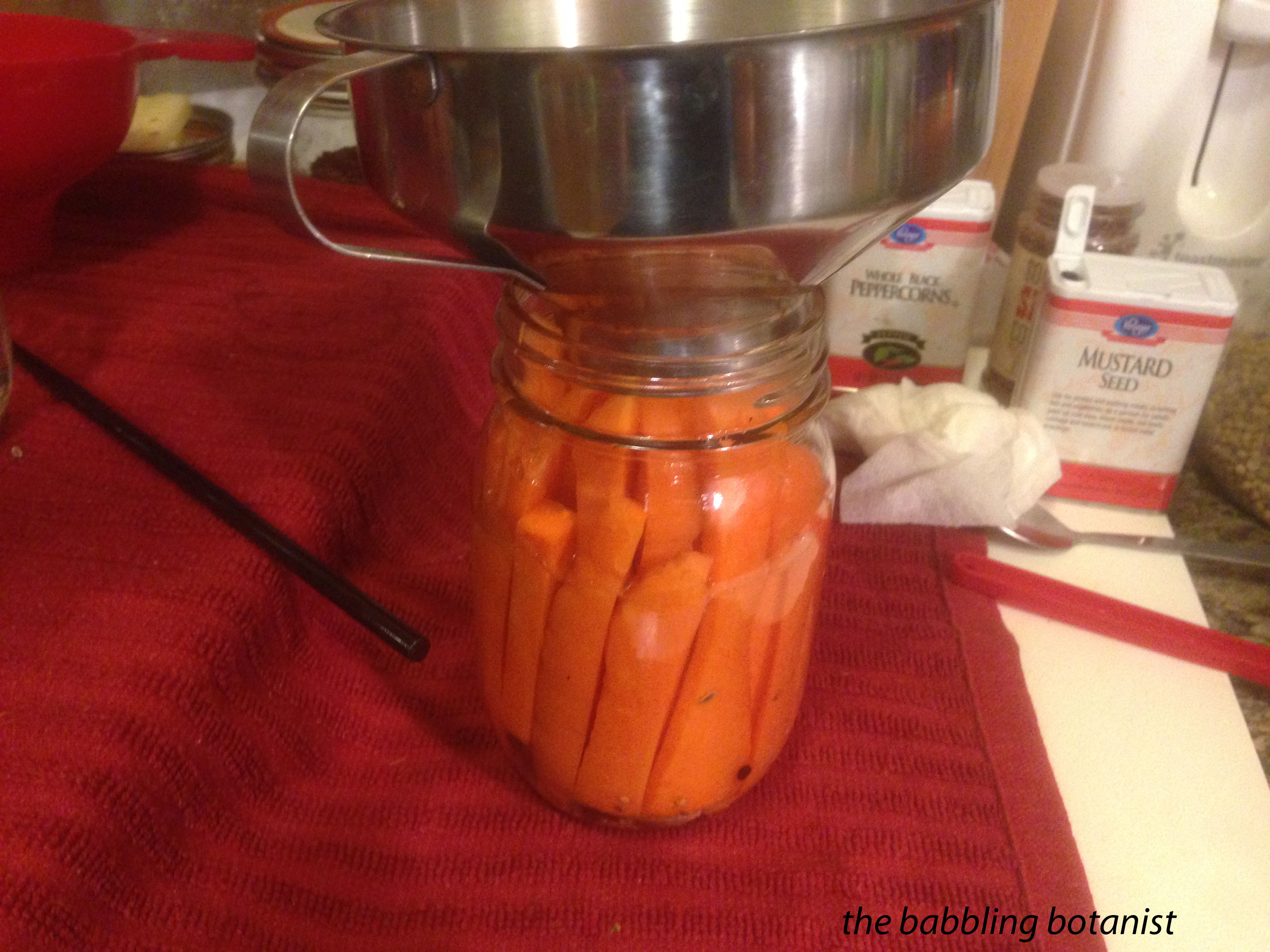
Grab a hot jar, and add whatever spices you like. I didn’t really measure my spices out, but did a clove or two of garlic per jar, along with a few shakes of dill seed, peppercorns, mustard seed and hot pepper flakes (around a half teaspoon of each). Combine whichever flavours you like the best. If you have fresh dill, do two heads per jar. Then pack in the carrots nice and tight, and pour in the hot vinegar mixture, leaving a half inch head space. Remove any bubbles trapped between the carrots. Wipe rims, place lids on the jars and tighten the bands finger tip tight.

carrot5 copy

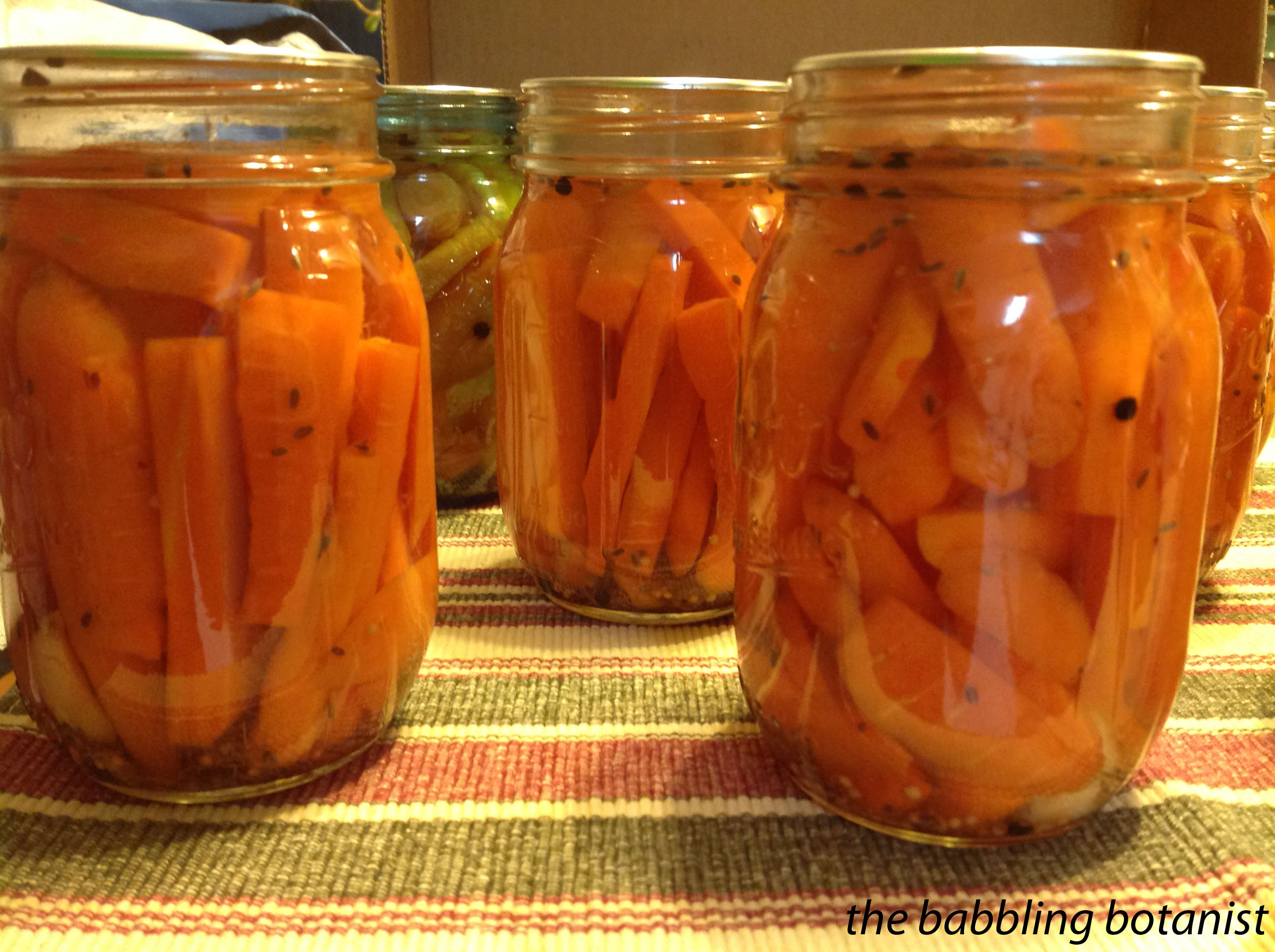
Place the jars in the canner, ensuring they are covered by at least 1-2 inches of water. Bring to a full rolling boil and process for 10 minutes. When the ten minutes in up, turn off the heat, remove the canner lid, wait 5 minutes and remove the jars to a towel or hot pad. mmm mmm pickled carrots. Wait 12-24 hours for them to cool, remove the bands, check the seals, label and store. Wait a few weeks for the full pickled goodness to permeate the carrots, then enjoy.

carrot6 copy

*This post contains affiliate links. Check out the “About the Blogger” page for more information.

Pickled Beets

Remember those beets I talked about a while back that were in the pressure canner when the power went out? Well here is finally that follow up post on what I did with them. I thought they would turn to mush if I pressure canned them, so here is a recipe for pickled beets! I needed the help of my dear friends Kiki to battle the task of reprocessing these, so I went to her place for a canning extravaganza. This night, we also made the cranberry jam I posted earlier, and pickled carrots (coming soon to a blog near you). The recipe I used is the basic one from the Ball Complete Book of Home Preserving, but you can feel free to modify the spices to your preference. This recipe makes about 6 pints.

pbeets1 copy

Ingredients:
Beets (about 10 cups prepared)
1 cup water
2.5 cups white vinegar (5%)
1 cup sugar (optional in my opinion)
3 tbsp pickling spice

Here’s what we did:

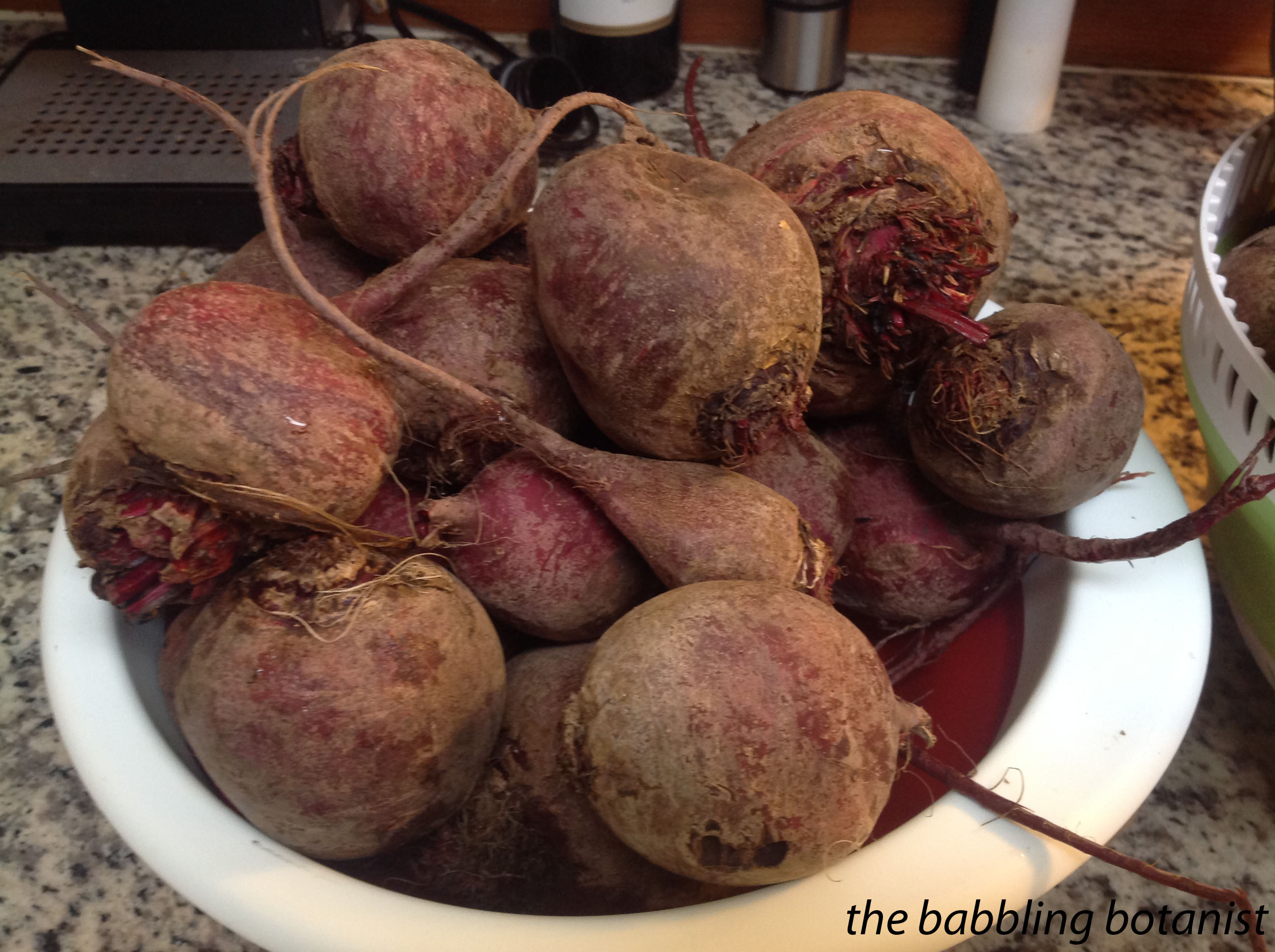
First you want to cook the beets a little to soften them. Mine were pre-pressure canned (grrrr), but what you will want to do is cook them for a little while to soften them up a bit. Wash them well and boil for 20 or so minutes. Rinse with cold water, peel and cut off the roots and stems. Chop to the size you would like.

pbeets3 copy

Combine the vinegar, water and sugar in a large pot. Honestly, I have no recollection of putting sugar in, so either we forgot it or I just forget, but people who have eaten them so far loved them but did agree they were less sweet than usual. Anyways, I leave it up to you, add it, don’t add it, half it, I don’t care. Just don’t mess with the vinegar to water ratio.

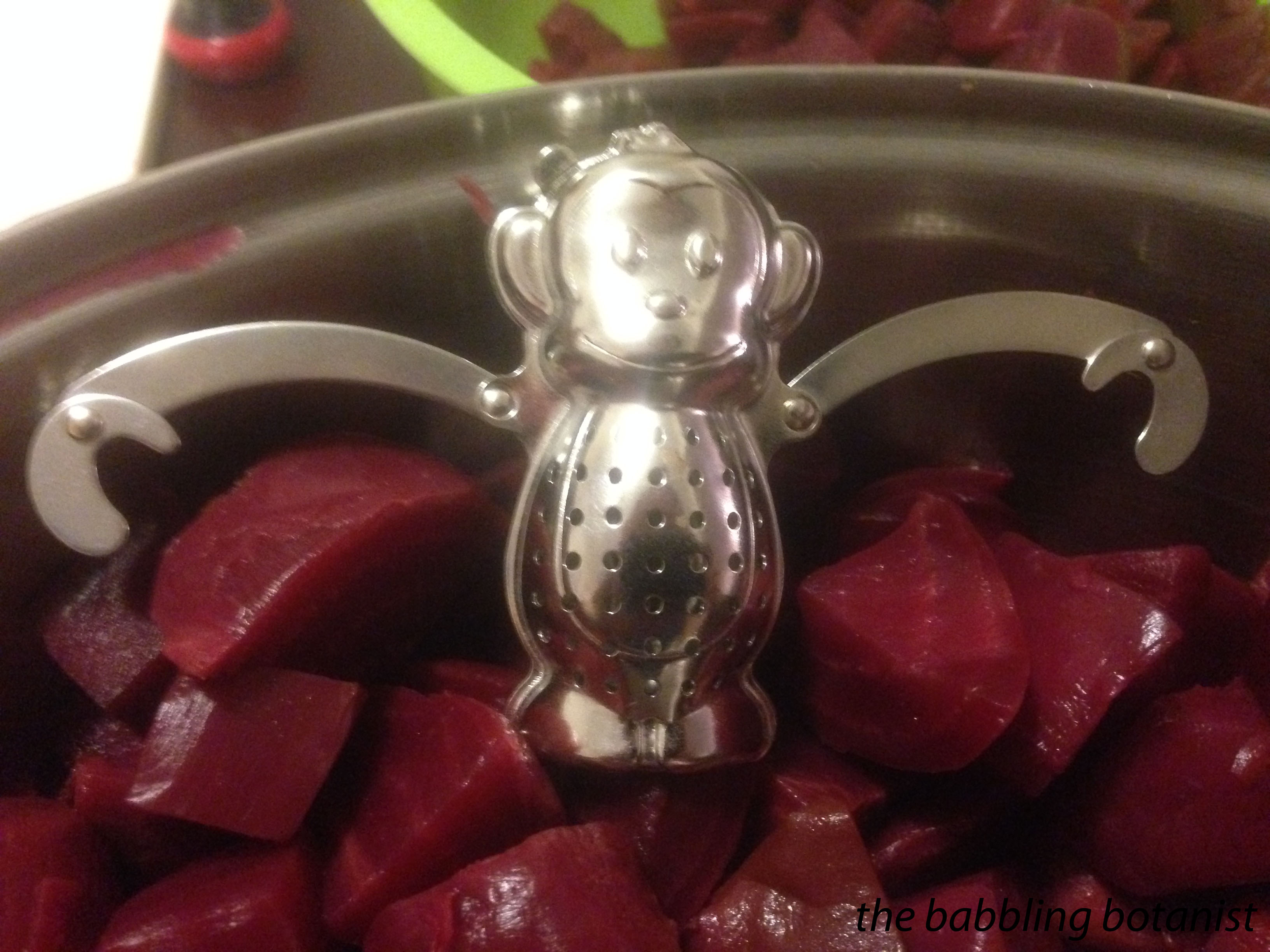
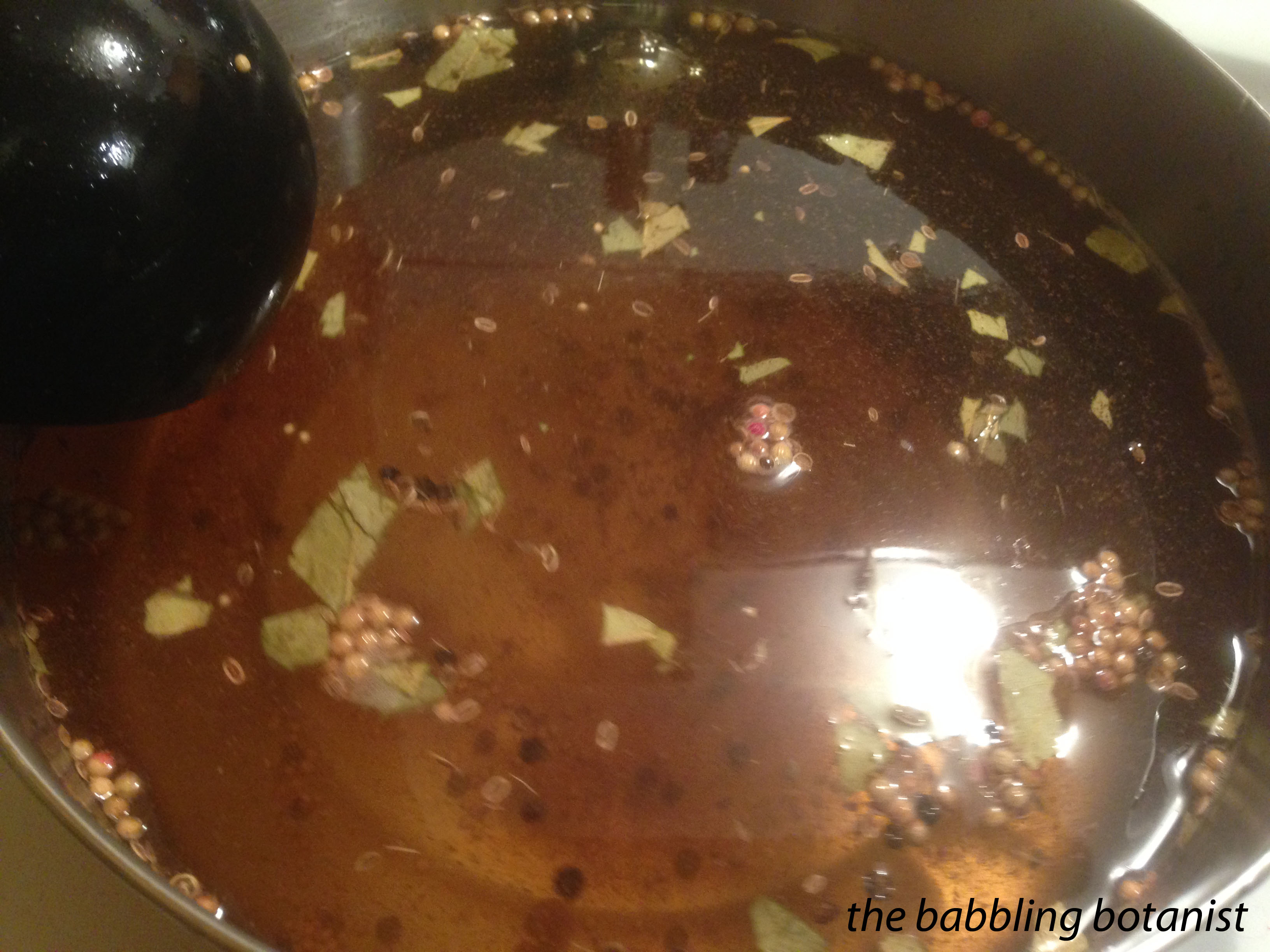
Next, grab your monkey and fill him with spices. OK, you won’t all have an adorable monkey tea infuser, but if you do you can use it, or make a spice bag. Use your favourite mix of pickling spices, either a homemade combo or store bought, whichever flavours you like. We used a combination of cinnamon, bay leaves, allspice, mustard seeds, coriander seeds, black pepper, ginger, dill seeds, and cloves. I think that was it. Place your monkey in the vinegar pot, and bring to a boil over medium high heat. Meanwhile, prepare the canner, jars and lids.
pbeets5 copy

I decided my monkey was too small and I wanted more spice, so tried making an improvised spice bag, which quickly busted. Oh well, all in a day. If some get in the jar its not a big deal. Reduce heat and boil the spices for about 15 minutes. Then discard your spice bag and add the beets. Return to a boil.

pbeets6

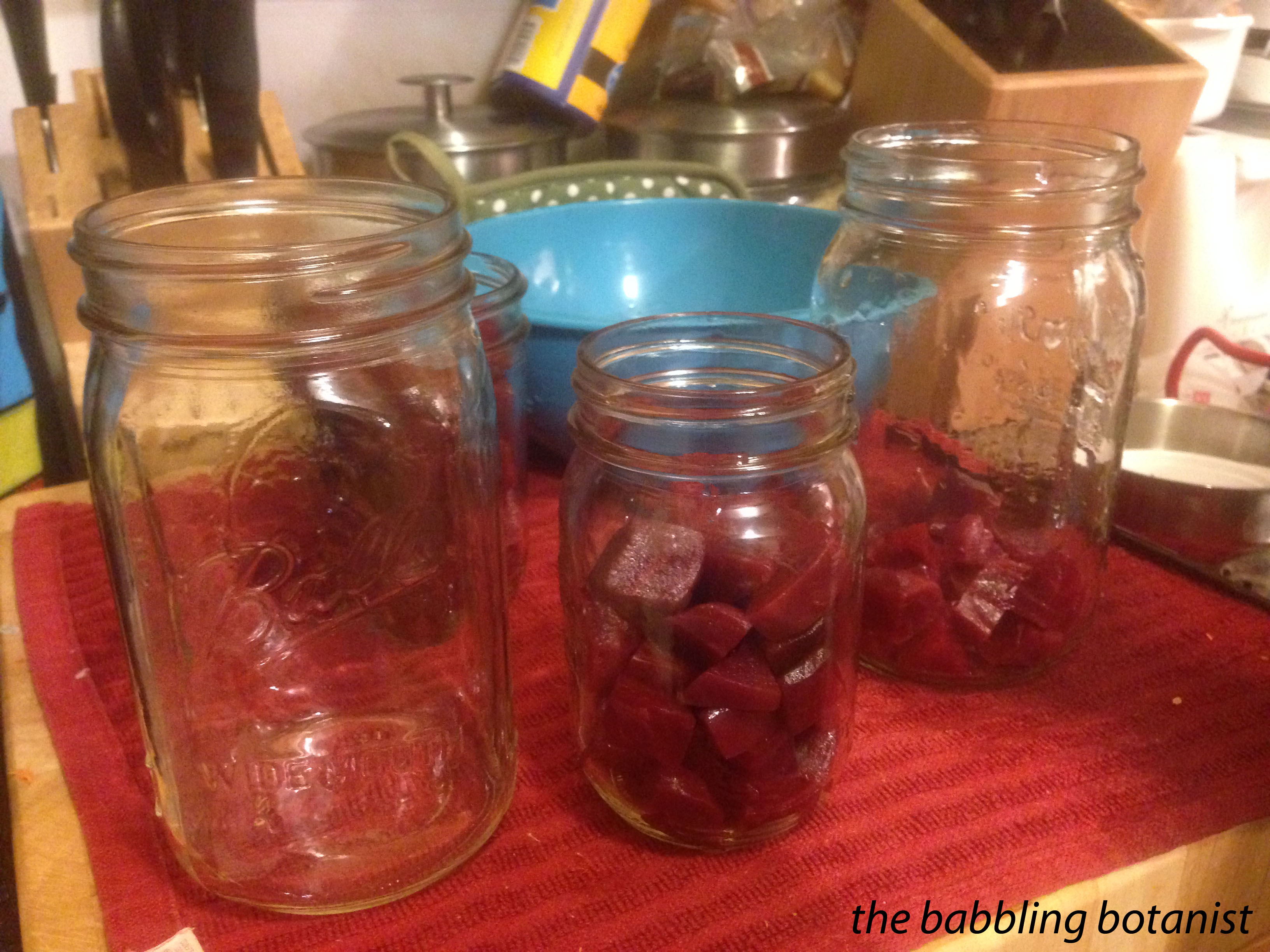
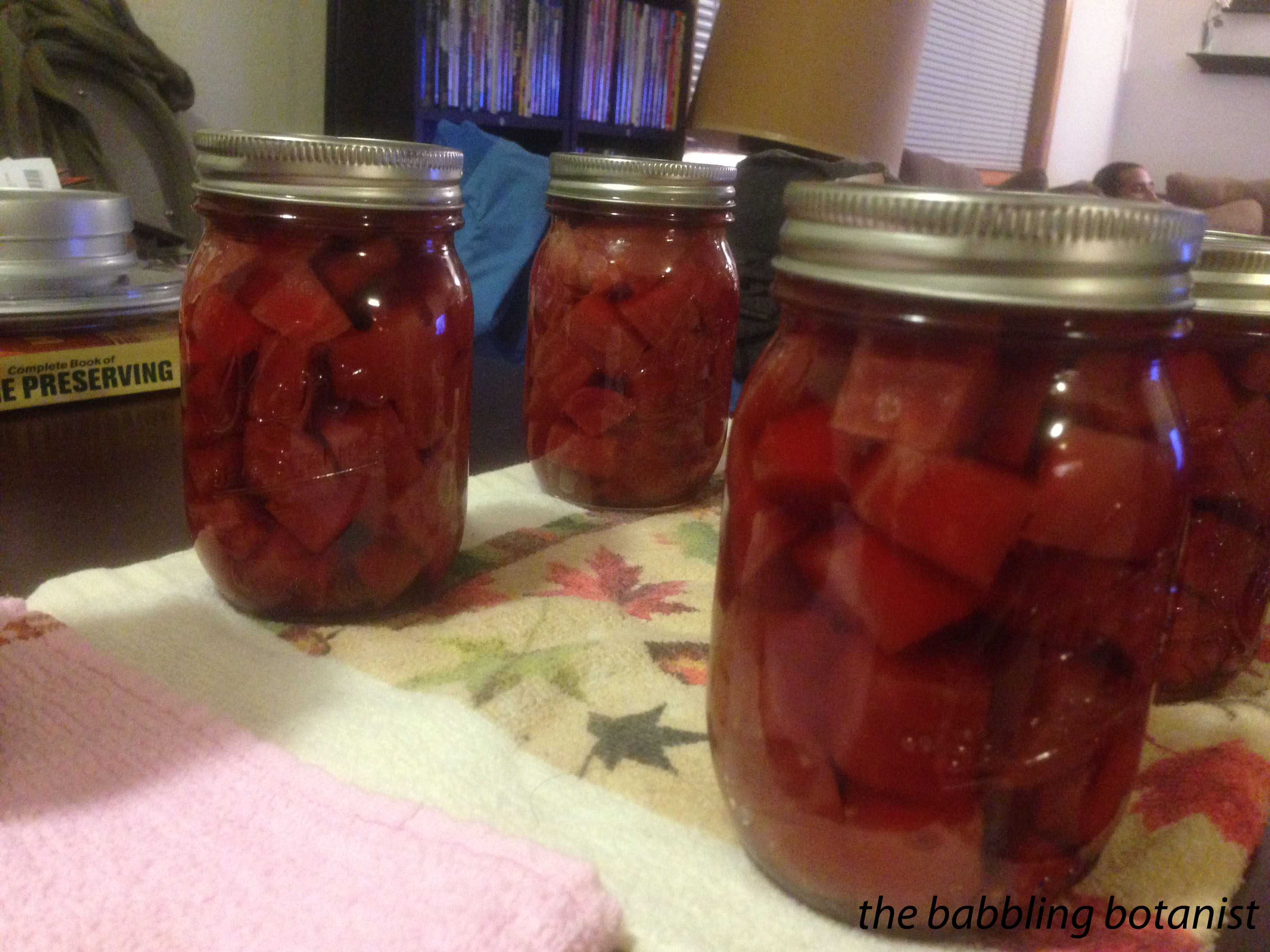
Use a slotted spoon to scoop the hot beets into the hot jars, then fill with the vinegar liquid. Leave a half inch head space. Be sure to remove any bubbles from between the beets with a plastic debubbler. Wipe the rims, place the lids on the jars, and tighten finger tip tight.
pbeets7

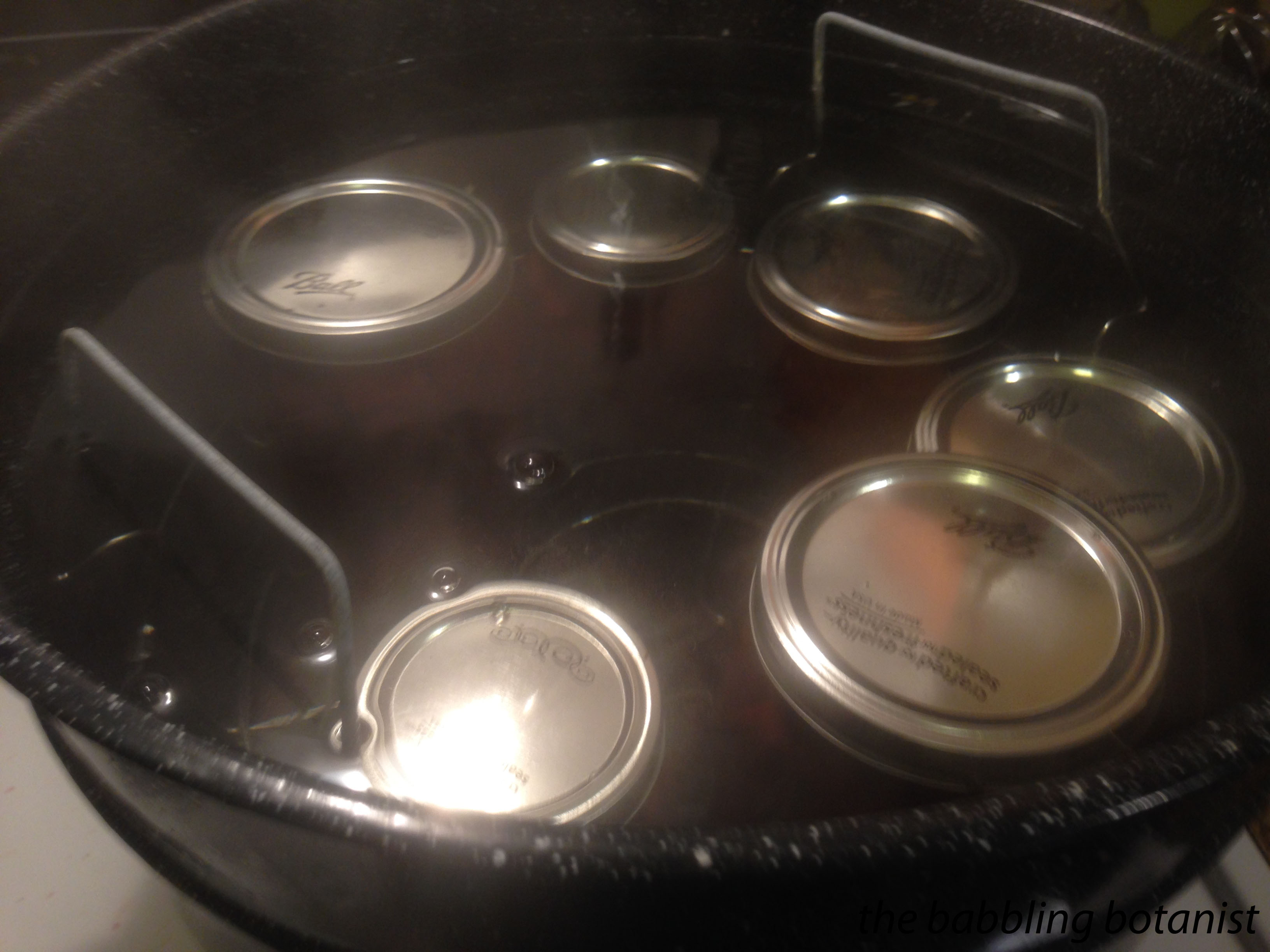
Place the jars in the canner, making sure they are covered by at least 1-2 inches of water. Bring to a boil and process for 30 minutes.

pbeets8

After 30 minutes, remove canner lid , wait 5 minutes, and remove jars. Cool for 12-24 hours, check seals, remove bands, label jars and store. Share delicious beets with all your beet loving friends (I know you all have lots!)

pbeets9

Spiced Cranberry Jam

Christmas time means cranberries! They are on sale and we always end up with too many. So, with all those leftover cranberries we made spiced cranberry jam! If you have leftover cranberry sauce, or leftover cranberries, this is a great way to use them. Thanks to Marisa from food in jars for this recipe.

Ingredients:
3 pounds fresh cranberries
3 cups granulated sugar
3 cups apple cider
1 lemon, zested and juiced
1 orange, zested and juiced
1 tablespoon grated fresh ginger
2 teaspoons cinnamon
1/4 teaspoon ground cloves

Here’s how we made it:

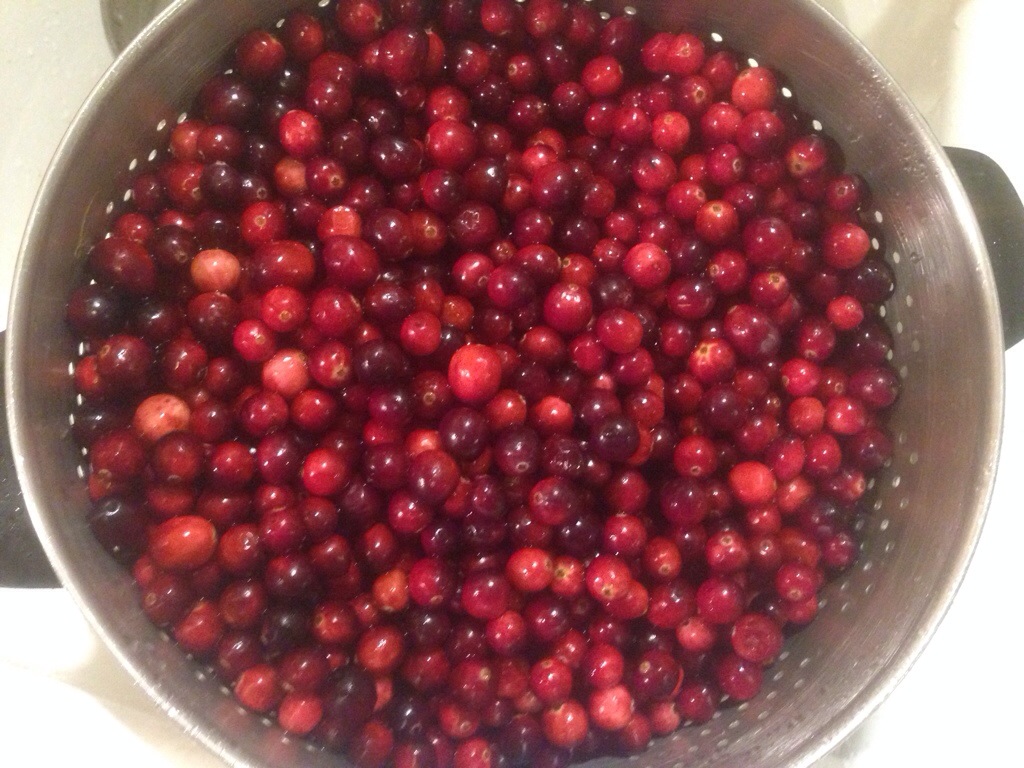
Rinse the cranberries in a colander.

20131228-203939.jpg

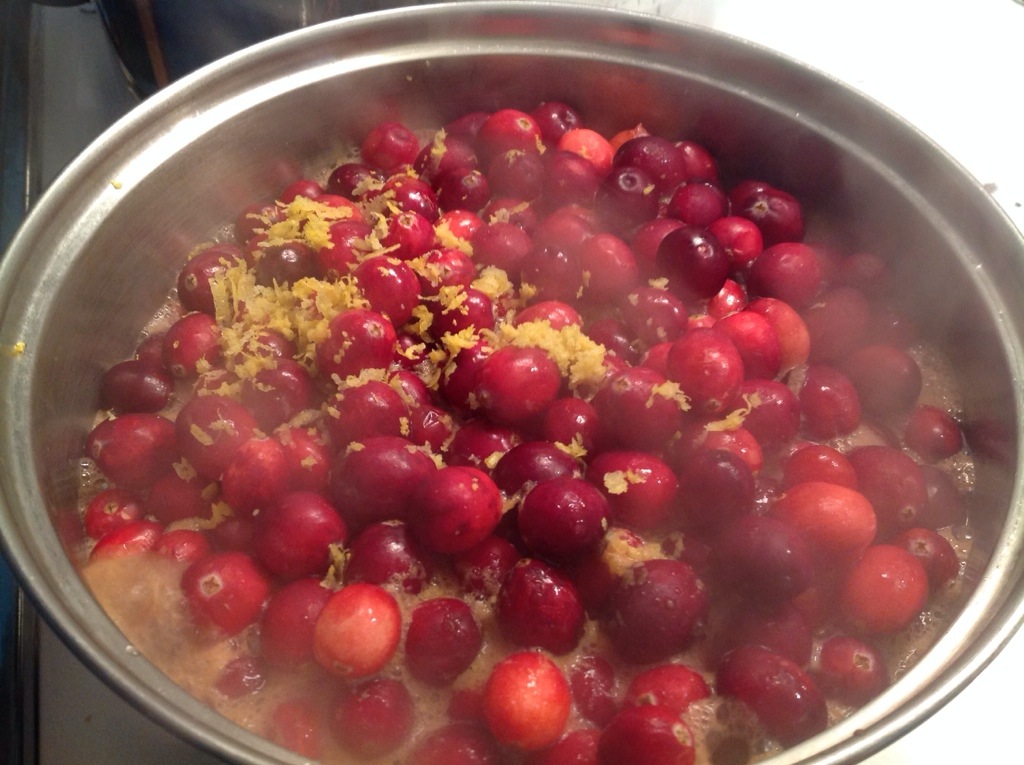
In a large pot combine the cranberries, apple cider, juices, zest and sugar. Heat over high heat, bringing the mixture to a boil. Cook until most of the cranberries have popped and the mixture begins to thicken. Meanwhile prepare the canner, jars and lids with 9 or 10 half pint jars.

20131228-204121.jpg

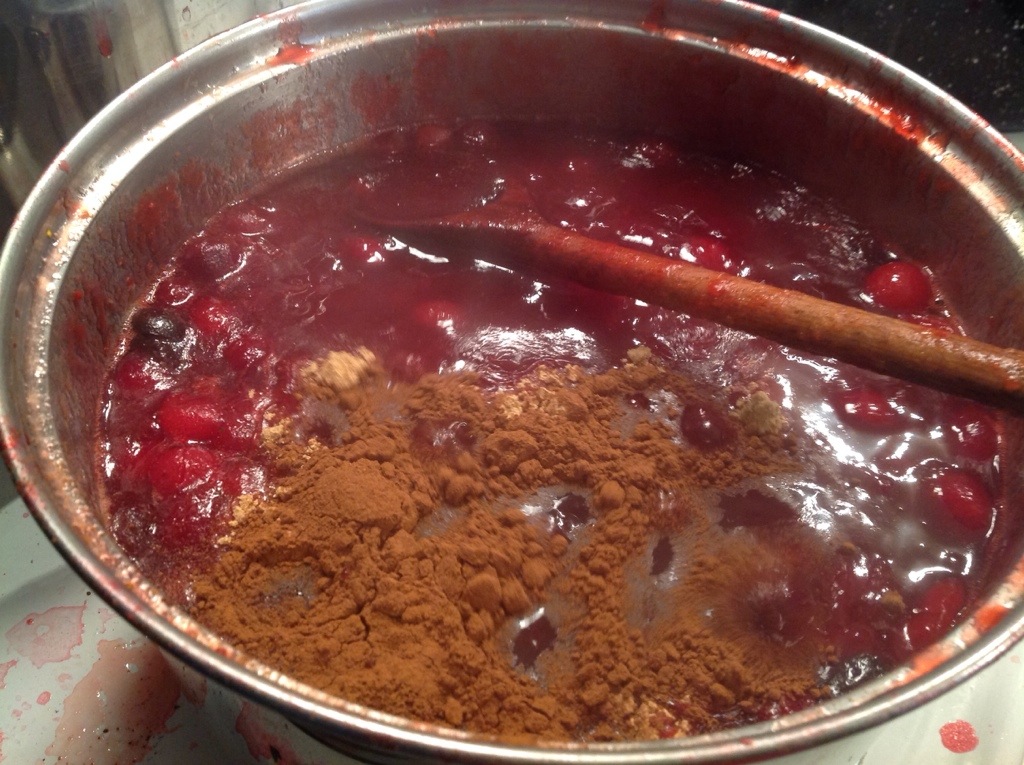
Once most of the cranberries have popped add in the spices and adjust to taste if you desire.

20131228-204302.jpg

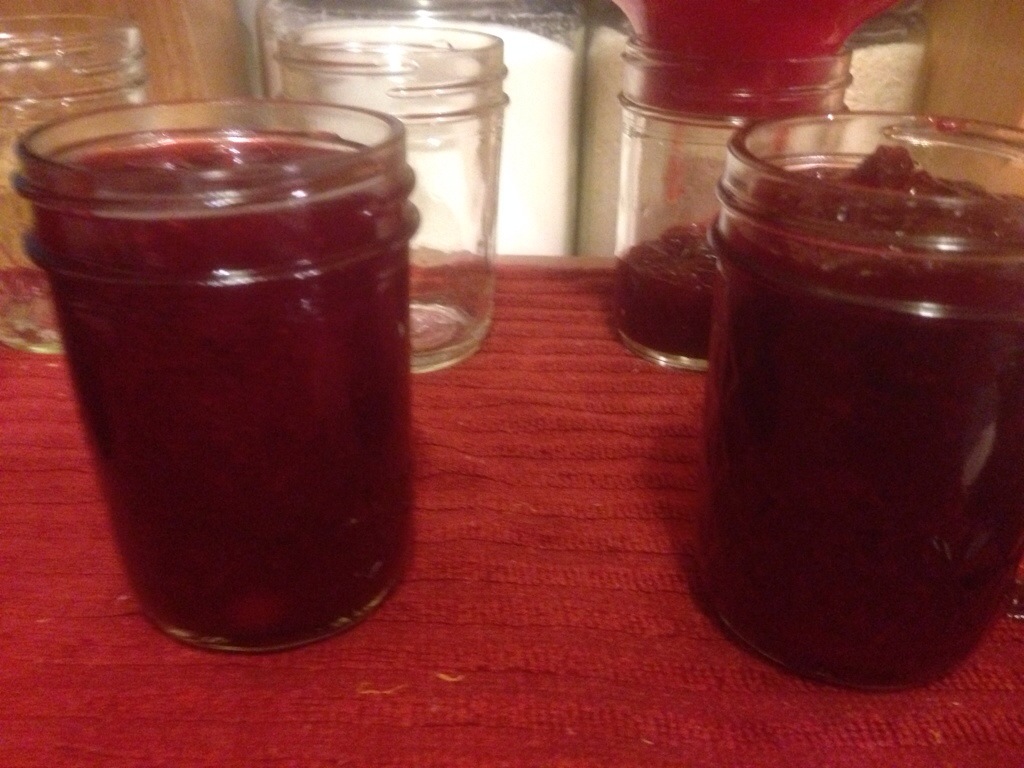
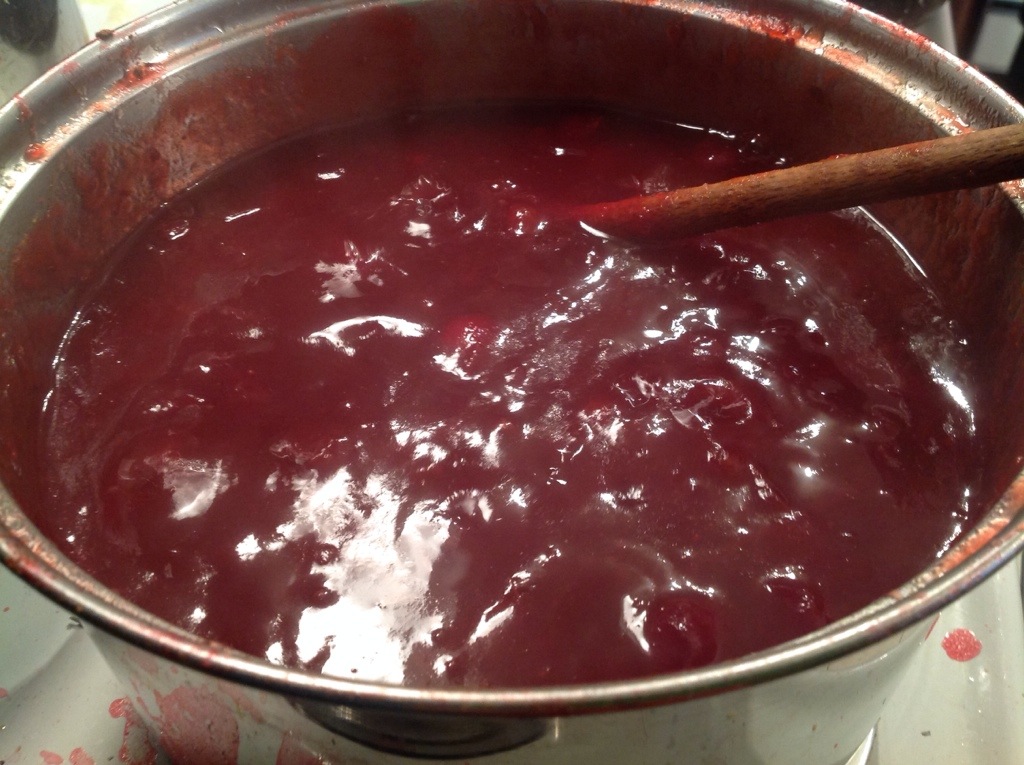
Continue to thicken to the desired consistency.

20131228-204527.jpg

Fill hot jars leaving a quarter inch head space. Wipe rims, place the lids on the jars and tighten finger tip tight. Place jars in canner, ensuring that they are covered by at least an inch of water. Bring to a full rolling boil and process for 10 minutes. After 10 minutes, turn off the heat, wait 5 minutes and remove the jars to a hot pad or towel.

20131228-204726.jpg

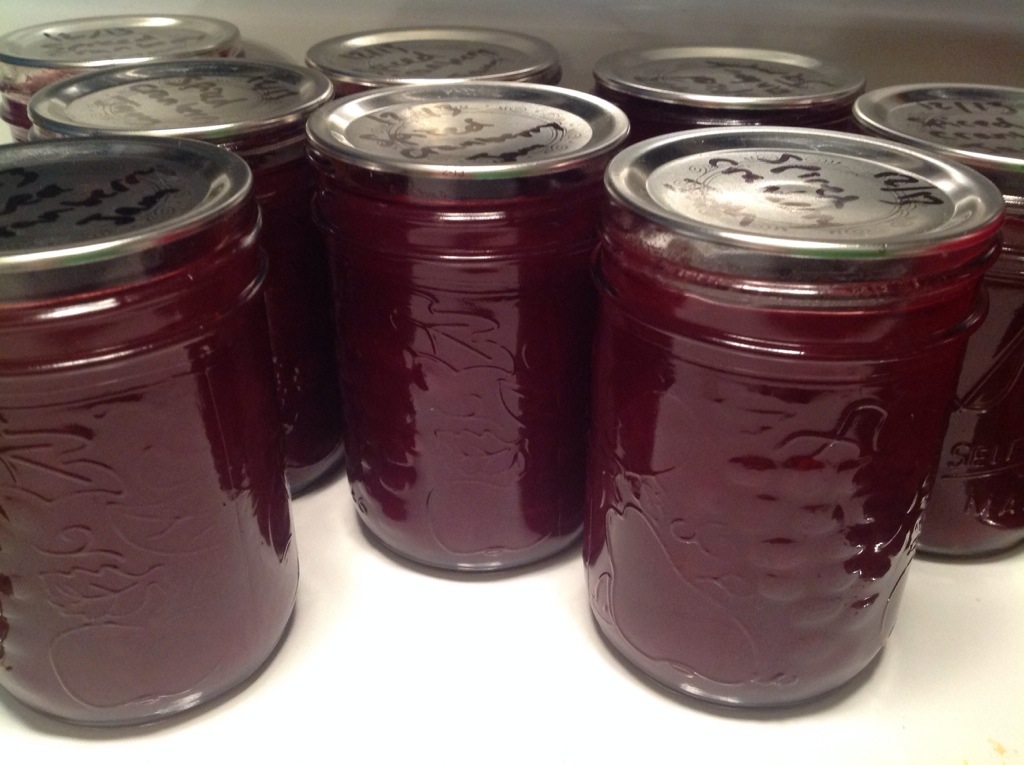
Wait 12-24 hours, remove the lids, wipe down the jars and store! Makes the perfect holiday gift for someone you love.

20131228-205105.jpg

Pressure Canned Beets

Holy guacamole, I haven’t blogged in a month and now canning season is basically over! Although there are still things that can be done over the winter and ways to keep that canning fire burning. And I have a backlog of a couple other recipes I want to let you in on. But anyways, today’s post is about beets and a slight trauma I had while canning which shall be my excuse for this slight hiatus I took.

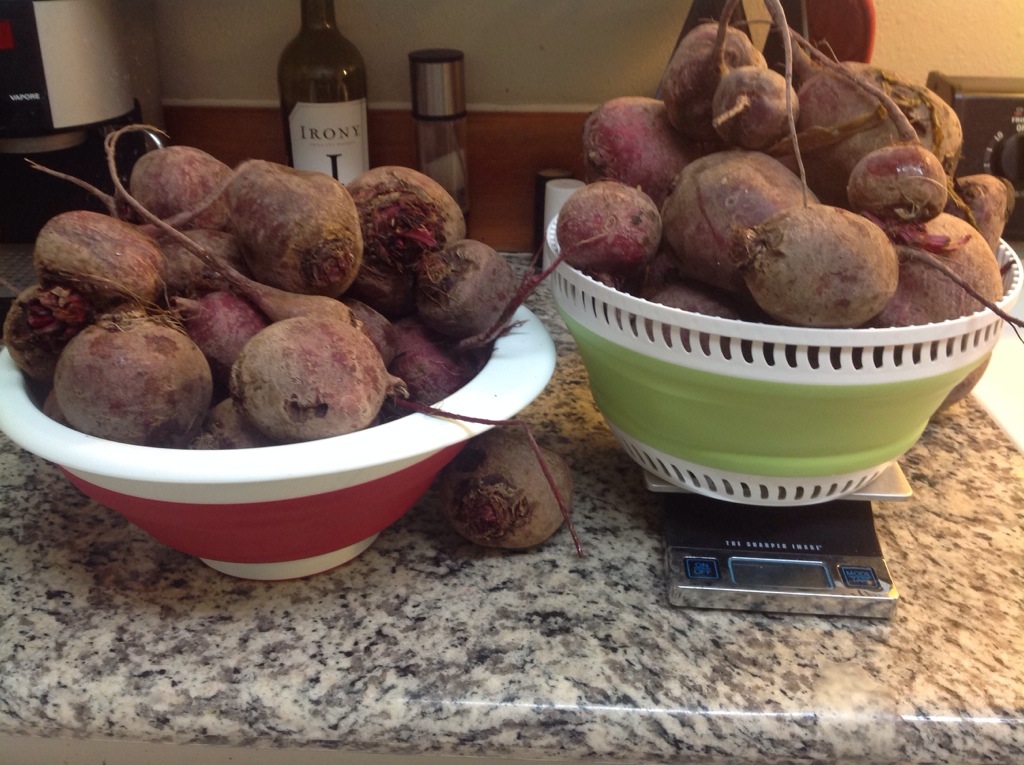
So! Pressure canning beets is a teensy bit time consuming, but I love beets so I thought I would give it a whirl. Step 1 is to select your beets and wash them. Now everyone will tell you to select the small beets because large ones can be fibrous, and don’t select the ones over 3 inches in diameter. Well, the farm stand near me was having an end of season blowout sale so you take what you can get. And I don’t discriminate, I love beets off all sizes, so don’t be a “beetist.” But I digress again, let’s can some beets.

20131212-190515.jpg

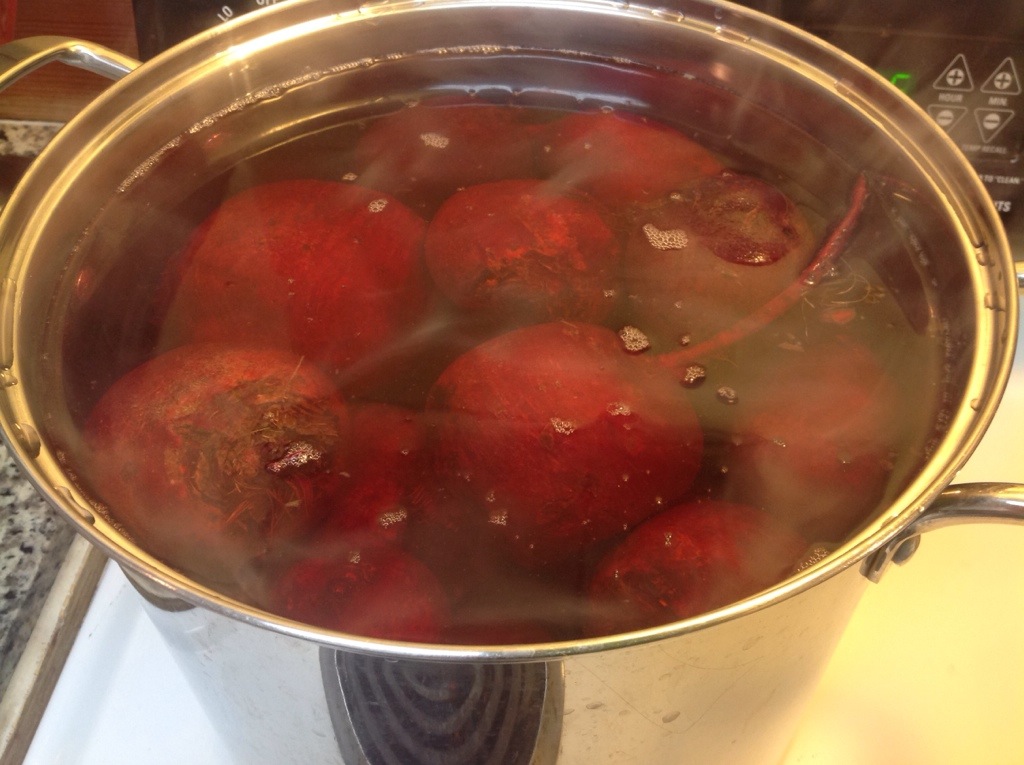
Step 2 is to trim the beets then boil them for 15-20 minutes “until the skins slip off easily.” Personally, I think step 2 is a sham. Trying to handle hot beets and slip their skins off turned my kitchen into what looked like a murder scene. I wish I had taken a photo for you. I guess they were a bit easier to peel, but I feel as though next time I’d prefer to peel and chop and then heat them even though everyone does the boiling whole. But I digress again. The moral of the story is you want your beets heated, pealed, and chopped in pieces. If you would like to change the order I feel like you should be allowed to do so.

While they are boiling it’s a good time to prepare the canner, jars, and lids. Add 3 quarts of water to your pressure canner and start heating it. Canning in quarts would be my recommendation, not a lot fit in a pint. In fact, I had pints prepared, and at the last second realized how little fit in them and swapped them out, but anyways…

20131212-190624.jpg

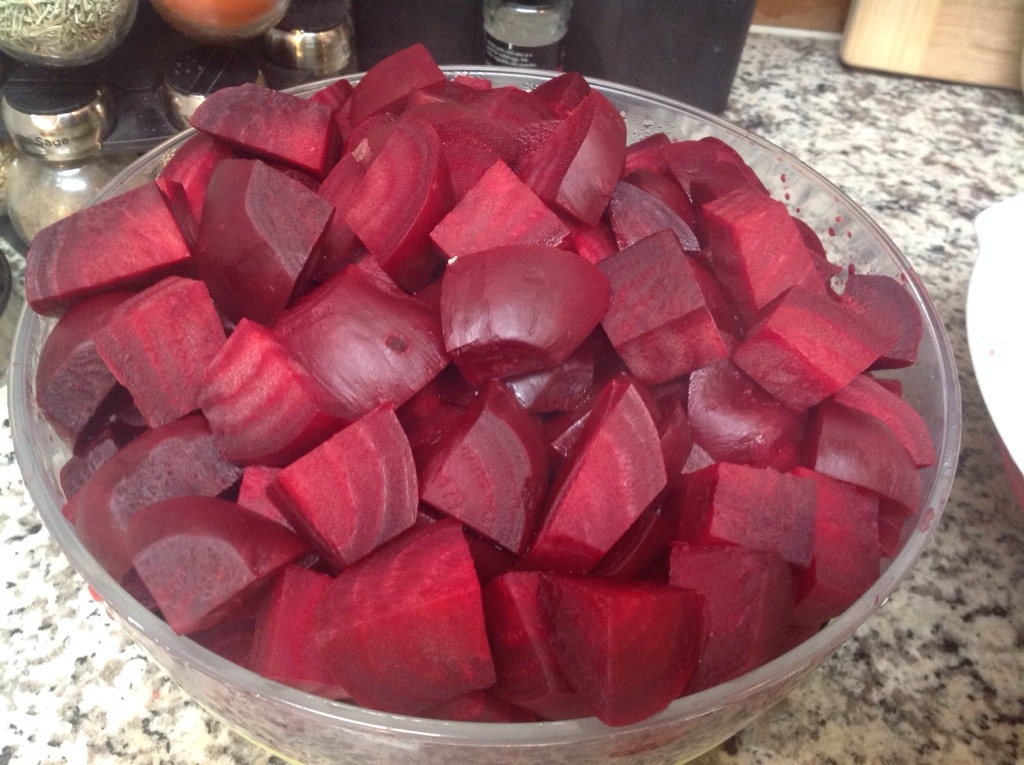
Chopped beets! The idea is you want a hot pack. So whichever order you did you want those beets still hot. Boil some clean water (i.e. not the water you boiled the beets in) to use to pack them in.

20131212-190745.jpg

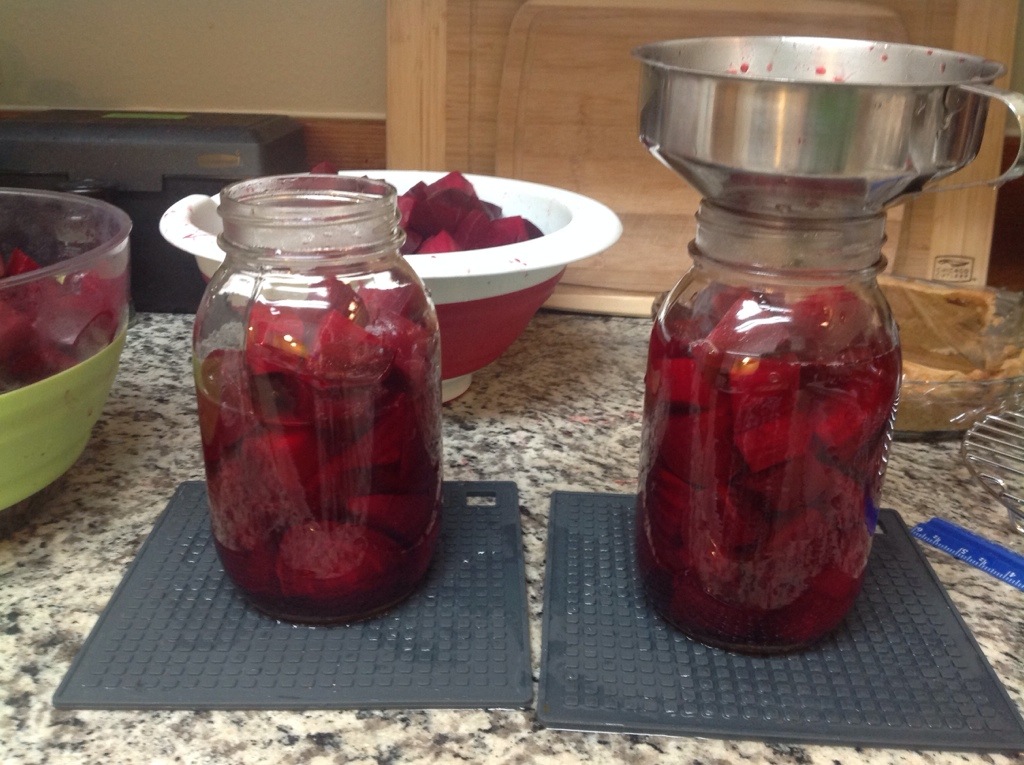
Pack them into the jars, and cover with the boiling water. Leave an inch head space and be sure to remove the air bubbles between the beets. Wipe the rims, apply the lids, and tighten finger tip tight. Place the jars in the canner. Secure the canner lid, vent the canner for 10 minutes, then place the weight on the vent. Bring to 11 pounds of pressure and process 30 minutes for pints or 35 for quarts.

20131212-190905.jpg

Now it was at this point for me that tragedy struck! About 15 minutes into my canning time THE POWER WENT OUT! I was so upset. I may be canning to prepare for the apocalypse but it’s not supposed to come WHILE I am canning. OK I jest, maybe, but still I was very upset. So I lit some candles and angrily listened to the canner depressurize. It’s usually a lovely sound “yay they’re done,” but when you know they are not done it is a maddening sound! OK rant complete. So assuming your power did not also go out (it returned at 3am by the way, too little too late) you will turn off the heat after 35 minutes, let the pressure drop on its own, and remove the weight once the pressure is all the way down and the do-dad drops. Wait 5 more minutes, remove the lid and remove your beets to a hot pad or towel. Listen to the ping ping ping. After 12-24 hours when they have cooled, check the seals, remove the bands, label and store.

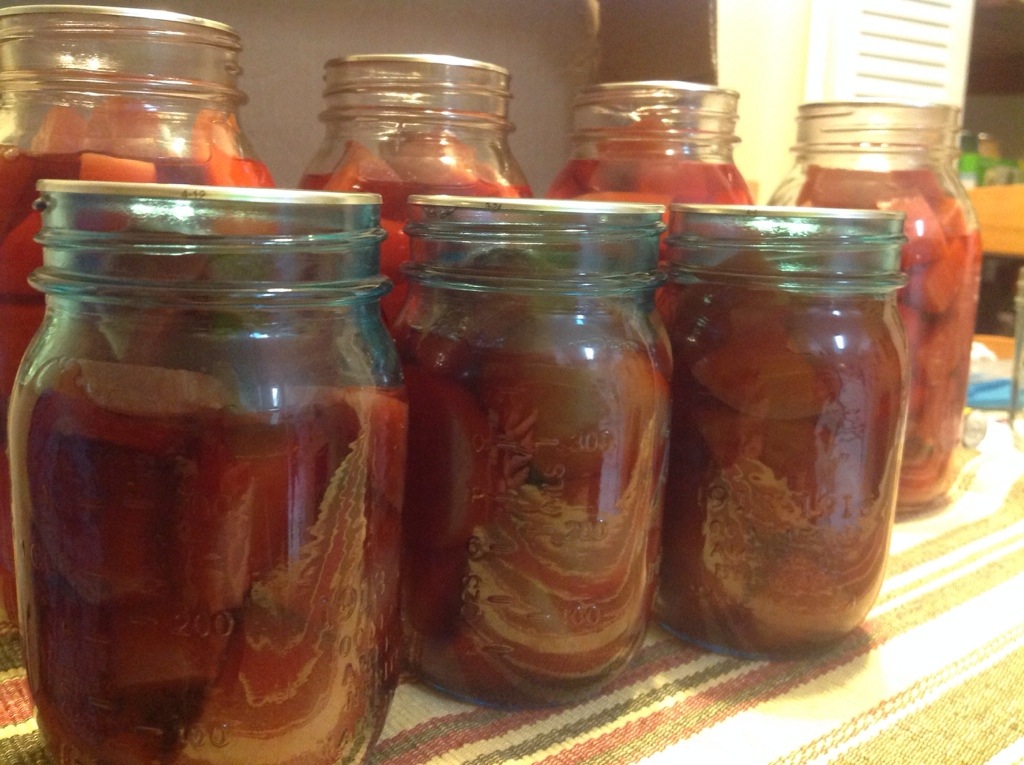
As a side note, below are my successful jars, done with different beets a few days later. Tune in for the next post for what I did with the failed pressure canned beets. As an additional side note, yes I put some in pints, I wanted to see how cute they’d look in blue jars. Meh, not as cute as expected but OK.

20131212-191117.jpg