Canning Vegetable Stock

For the first time in 5+ years, I have made a *new* (to me) canning recipe from the Ball Complete Book of Home Preserving, so naturally, that means I better also blog for the first time in 7 years.🫣

For a quick 30 second update – last summer we moved, finally becoming homeowners (yay!). We have a decent sized yard, have built 6 raised beds so far and had a great garden season, so I am hoping to start posting more about gardening and canning adventures again. We’ve also been up to plenty of outdoor botanical adventures over the past few years as well, so I hope to add some more about backpacking and other adventures to this blog as well.

Today we’ll be talking about a classic pantry stable – vegetable stock. This recipe comes from my personal favorite canning book, the Ball Complete Book of Home preserving. Let’s dive in.
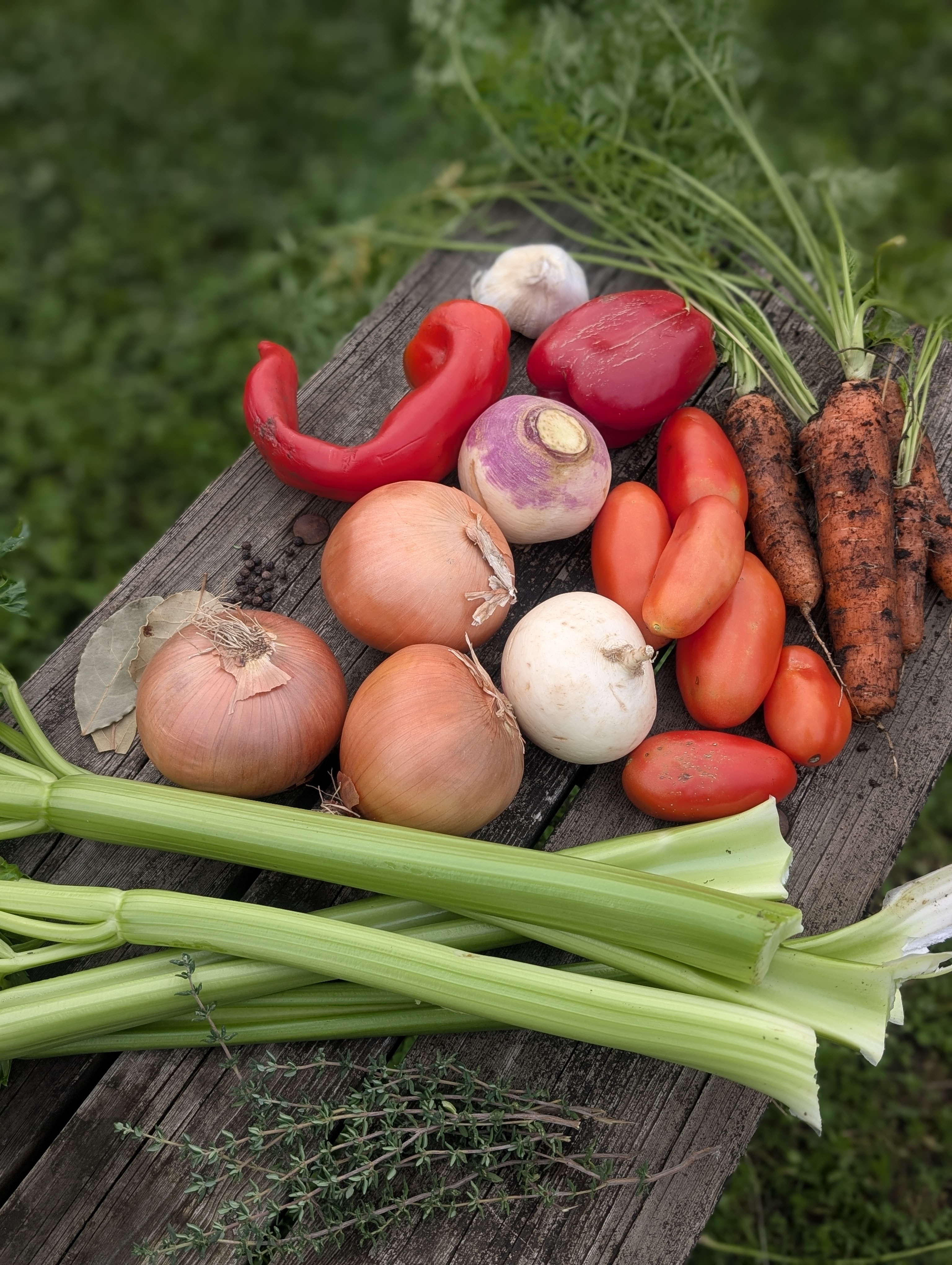
Ingredients:
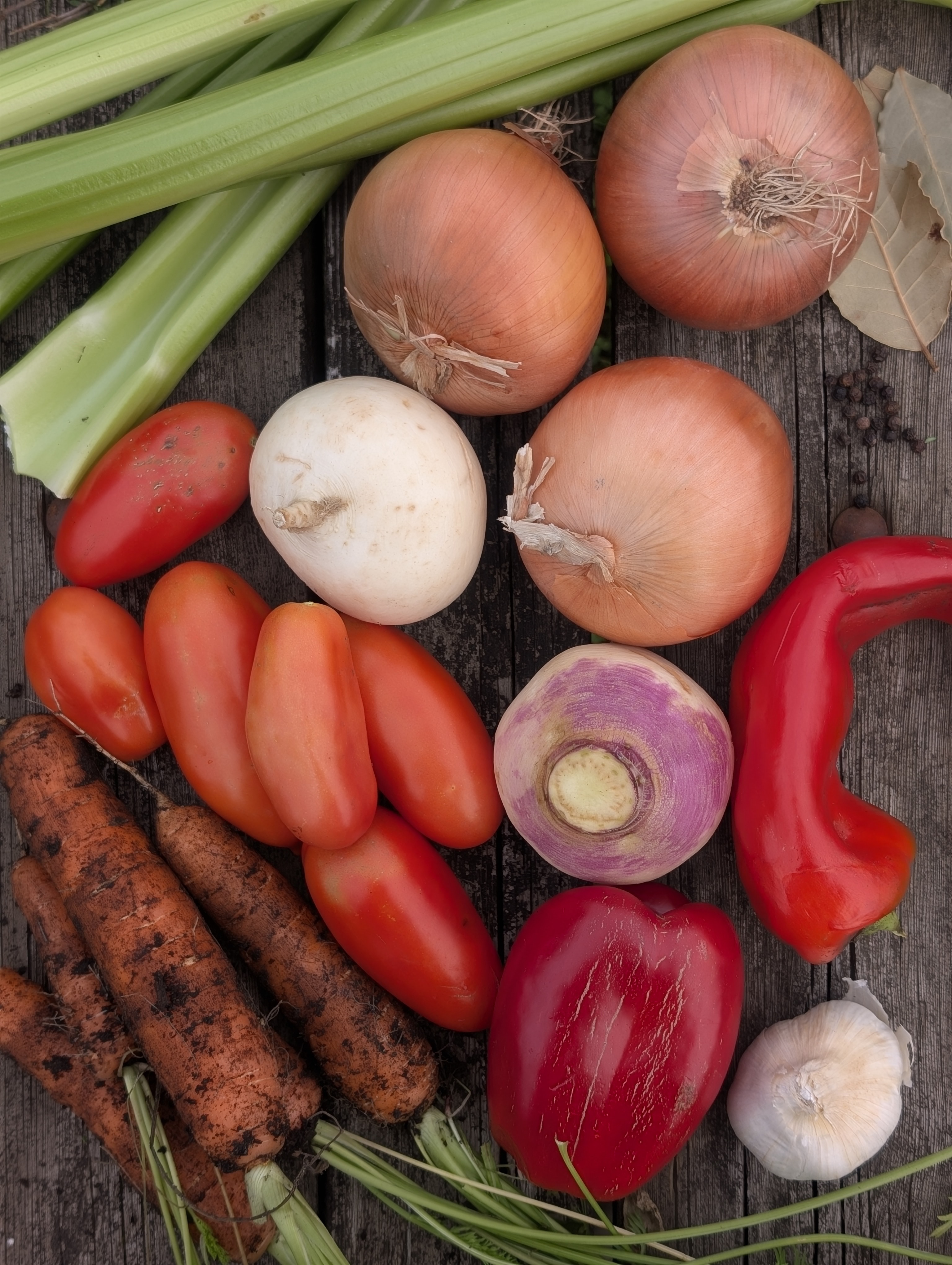
1 lb. carrots
6 stalks celery
3 medium onions
2 red bell peppers
2 large tomatoes
2 medium turnips
3 cloves garlic
3 bay leaves
1 tsp crushed dried thyme
8 whole black peppercorns
28 cups water
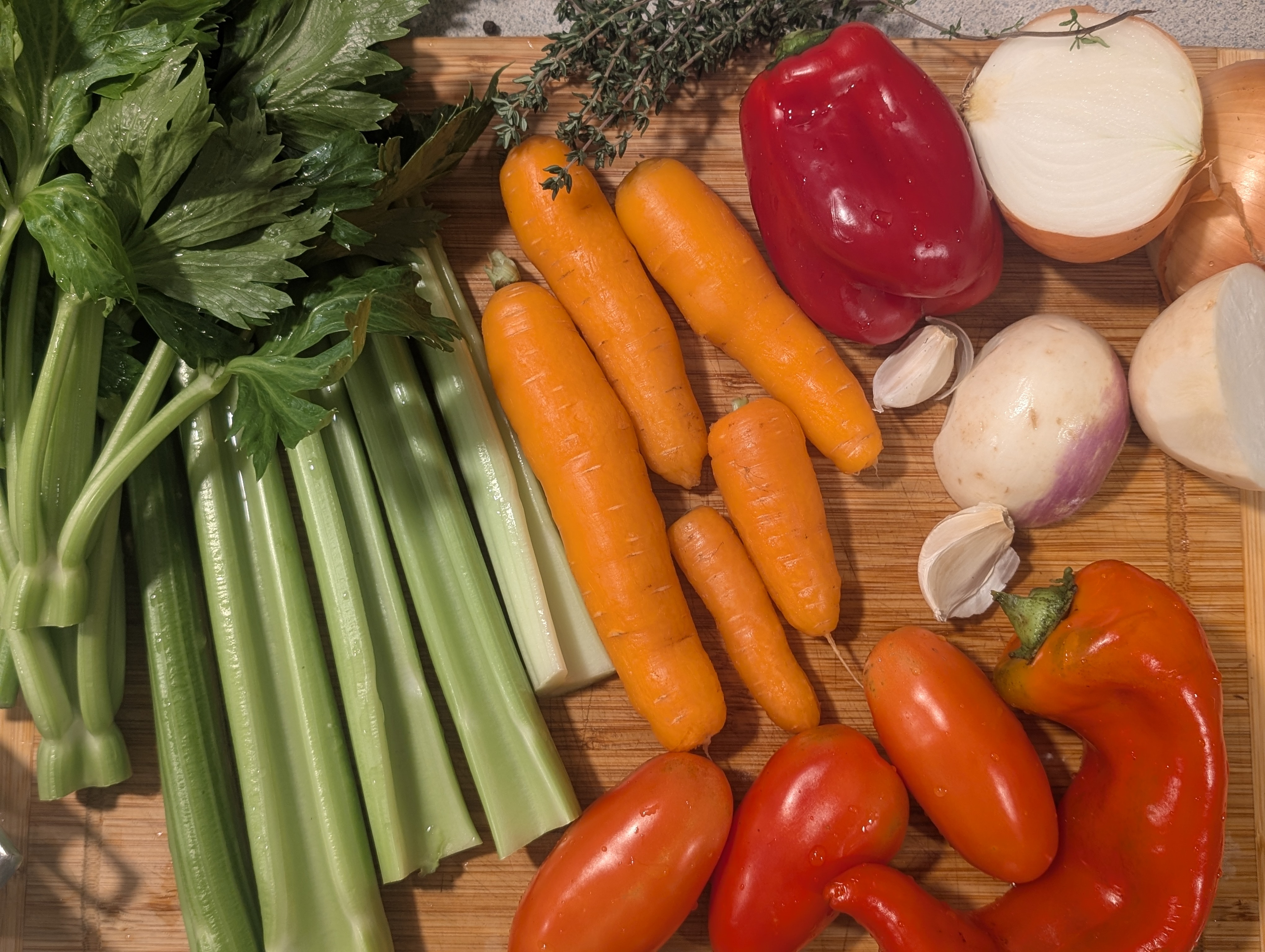
Wash your veggies. Peel and coarsely chop the onions, peel and crush the garlic, and chop up the rest of the vegetables. Combine everything with the water in a large stockpot. Bring to a boil, then reduce and boil covered for 2 hours.
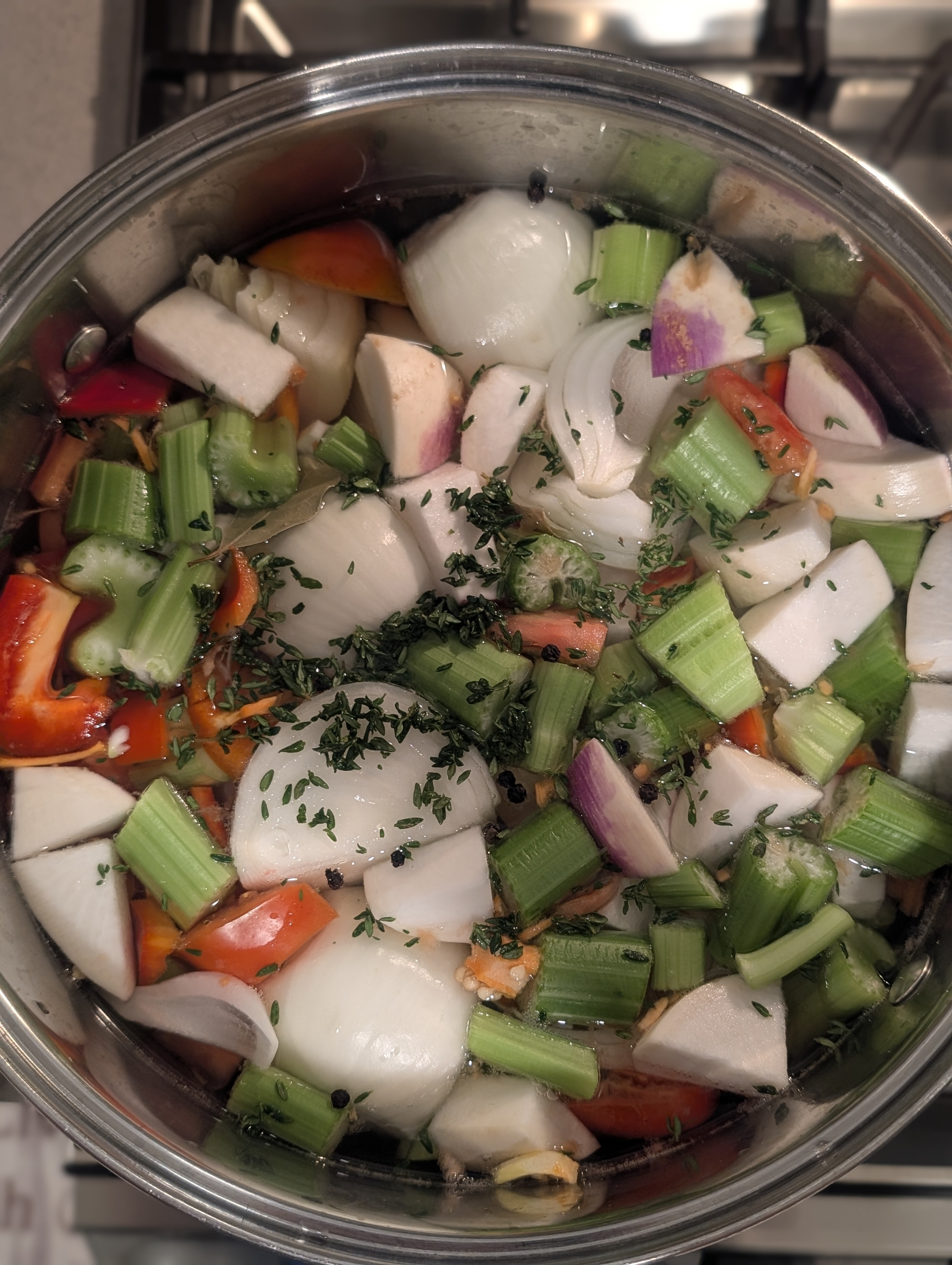
Uncover and continue to boil for another 2 hours.
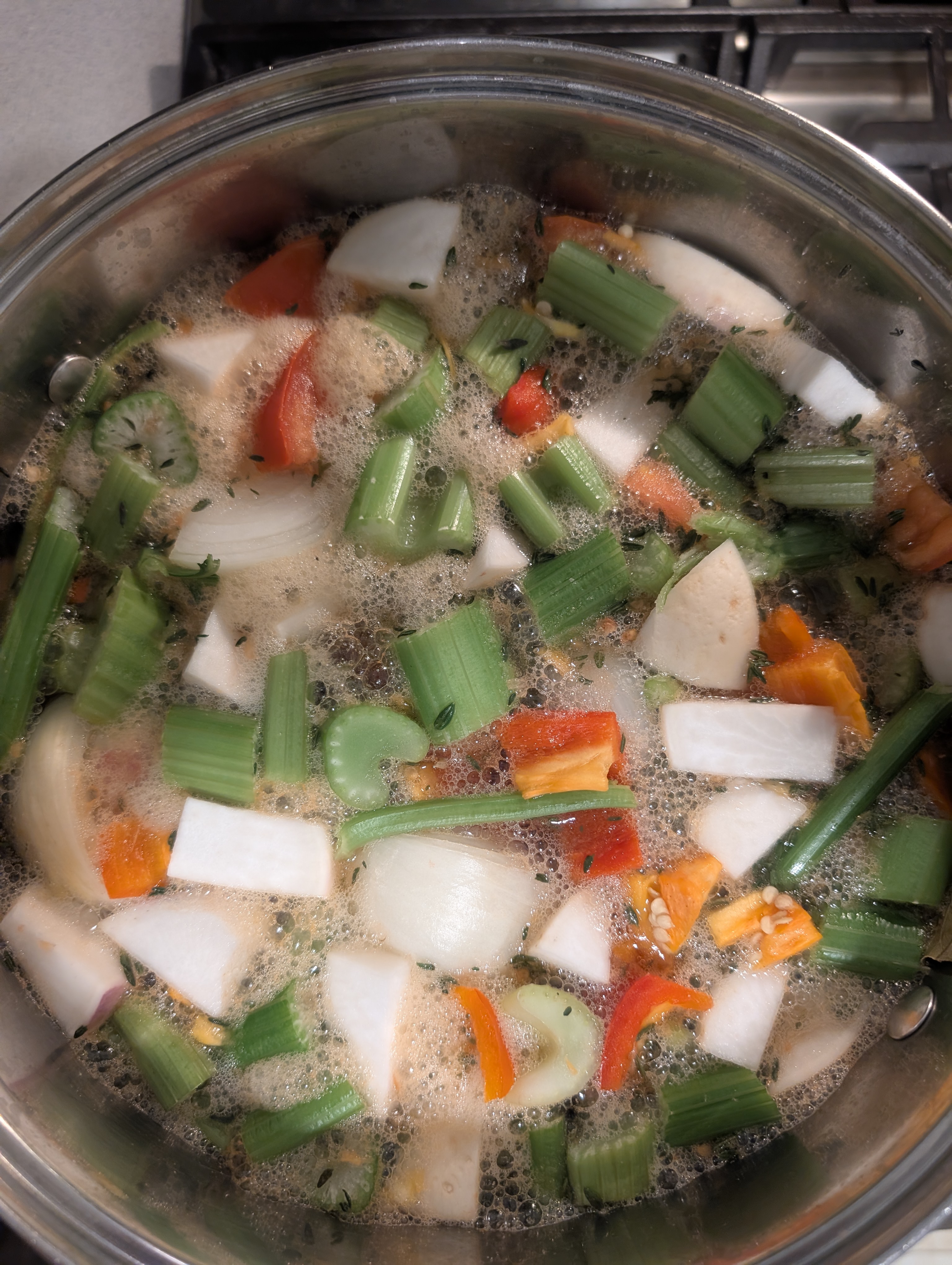
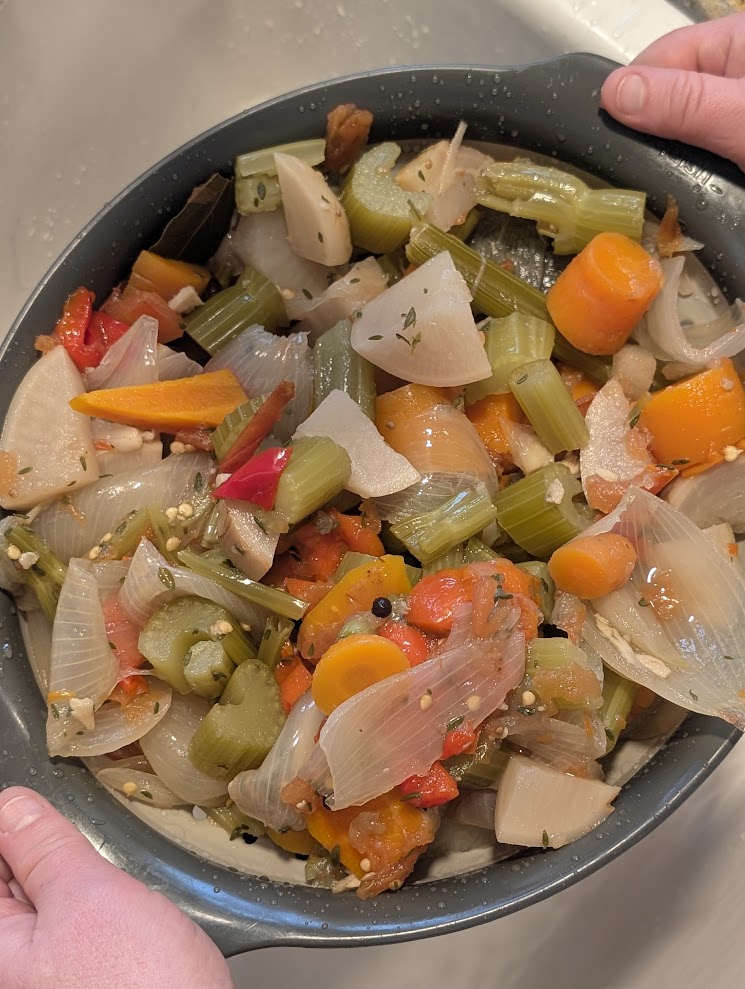
Strain the stock through a fine sieve. I like to do a two stage sieve through a coarse strainer to get out the big pieces, and then a fine strainer for the rest.
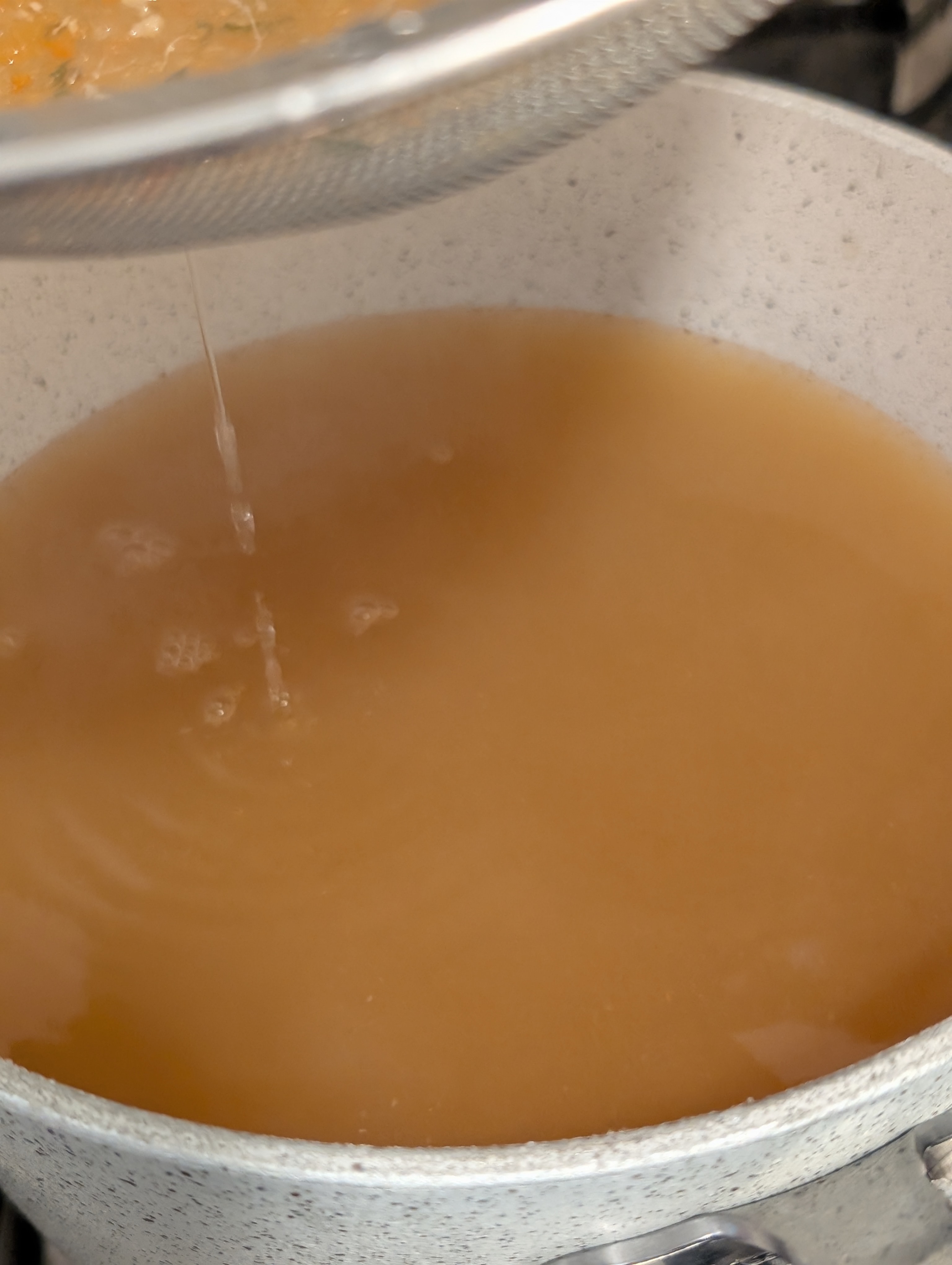
Return the strained stock to a boil.
Prepare your pressure canner while you are returning the stock to a boil. Add 3 quarts of water to the canner. Place the rack in the canner and start to simmer the water on low heat.

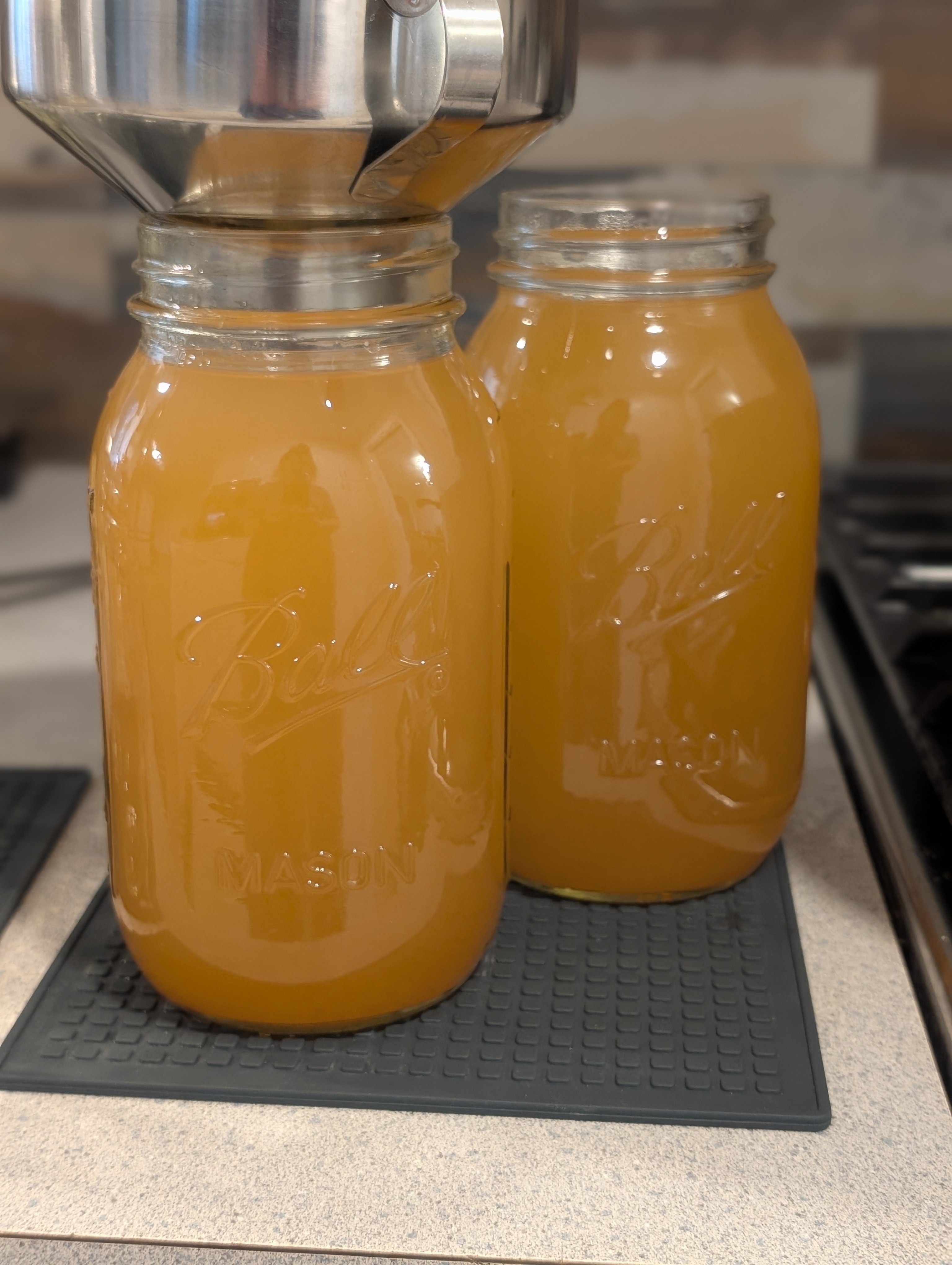
Ladle hot stock into hot jars, leaving 1 inch headspace in your jars. Wipe rims, place lids on jars, and tighten finger tip tight.
Place your jars in the pressure canner, lock the lid and bring to a boil over medium high heat. After venting for 10 minutes, close the vent. Start your time after achieving the appropriate pressure for your elevation (10 lbs at sea level) and process pints for 30 minutes or quarts for 35 minutes. Always remember – if your pressure ever drops below 10 lbs, you need to restart your time!

When the time is up, let the pressure zero naturally, after the safely valve drops wait a few more minutes, then remove the weight. Open the canner, let it cool for 10 minutes, then remove the jars. Let the jars cool for 24 hours, check the seals, wipe down the jars, remove the bands, and store.
My favorite items used in this recipe:
Ball Book (your ultimate canning bible)
Presto pressure canner
Large metal stock pot
Canning funnel – I don’t see my exact one, but I like a good metal, wide mouth one, and this one had a little strainer too
Ladle – I prefer metal, and a hooked one so I can hang it off my pot

*this post contains affiliate links, please see the “About the Blogger” page for more information

June 1 Garden Tour

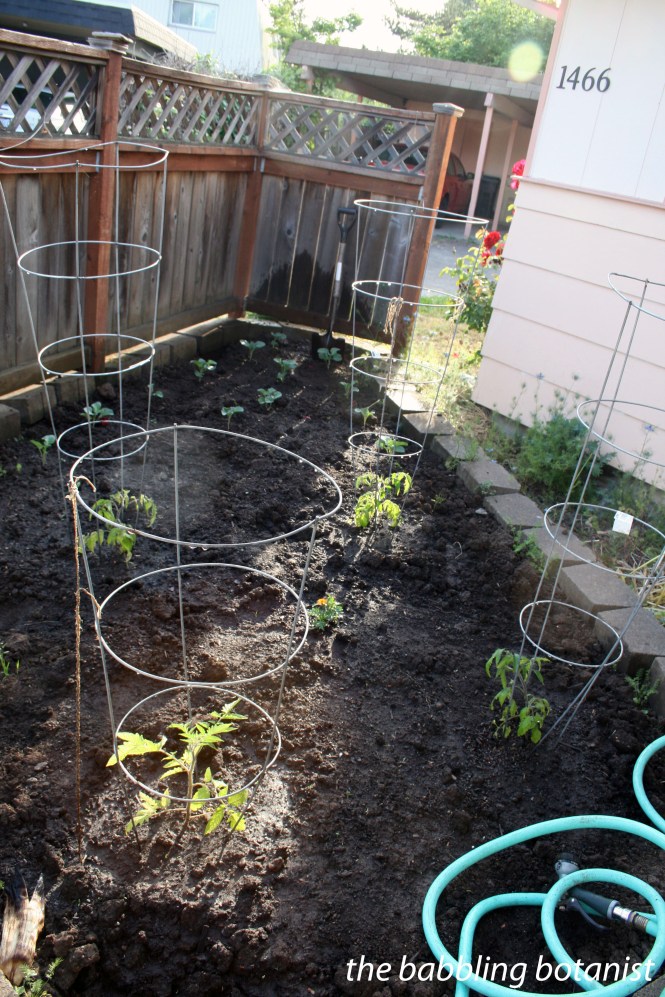
Wow – June already!? How time flies. The garden is all planted and I’m so ready for summer, so I thought I’d give you a little tour of this year’s garden. 14 tomato plants this year, which I am super excited about, but unfortunately since I plant so many I don’t really rotate my crops. Sigh – one day I’ll have some land and do this right! I think I do pretty well with the space I have though.

Up first – tomatoes of course. My first year starting from seed was an awesome success. I mulched around them with grass last time we cut the grass.

IMG_5435 copy

More tomatoes and a ton of broccoli. Unfortunately I planted much later than I wanted for the broccoli, so hopefully it doesn’t bolt.

IMG_5449 copy

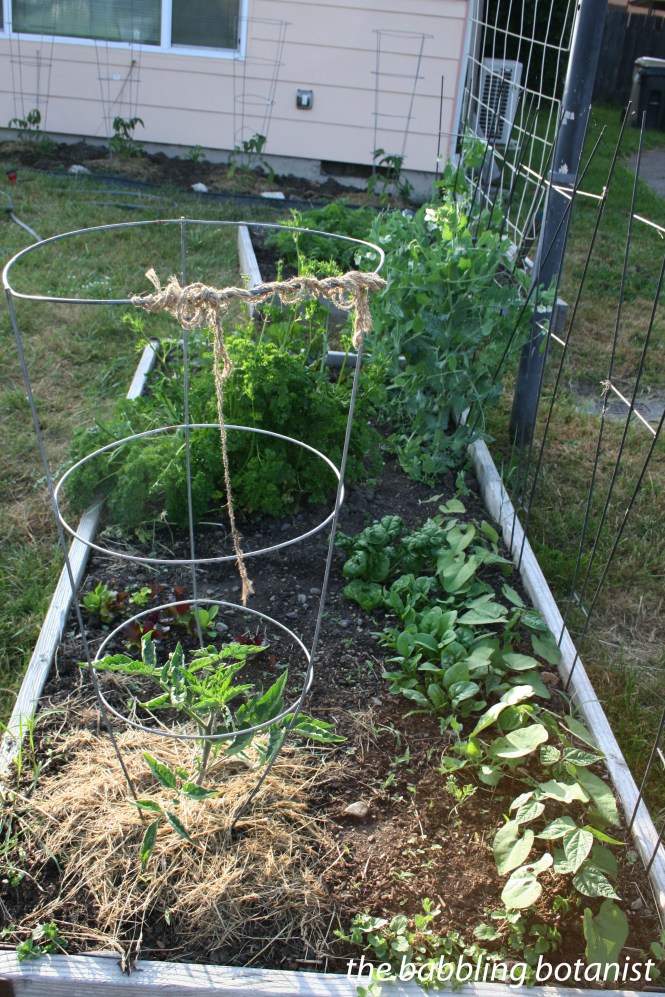
Tomato, spinach, lettuce, beans and peas. And the gigantic parsley that survived the winter.

IMG_5442 copy

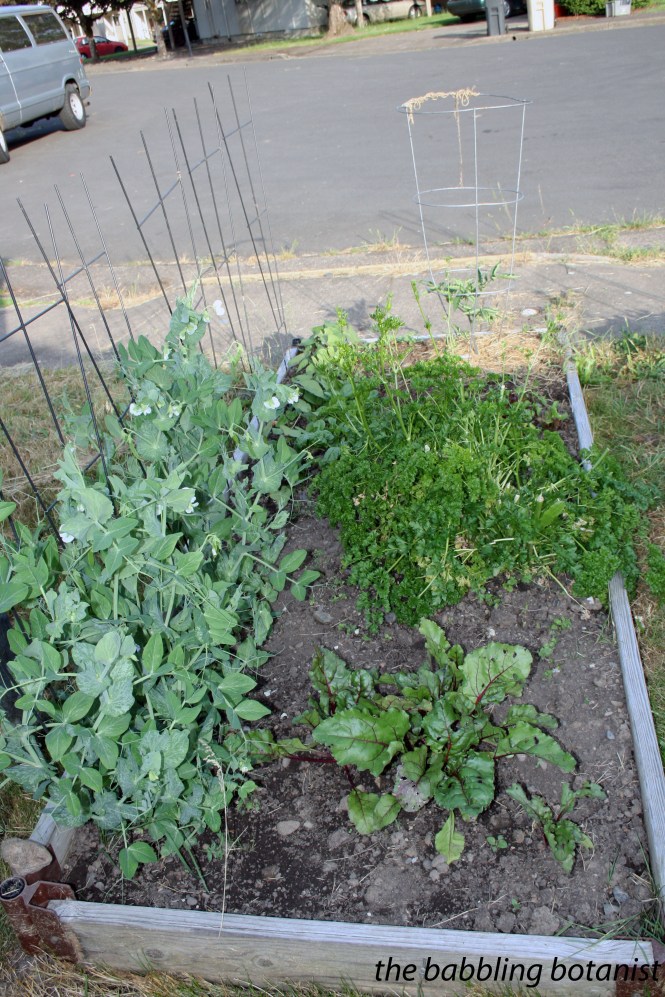
Peas and beets.

IMG_5445 copy

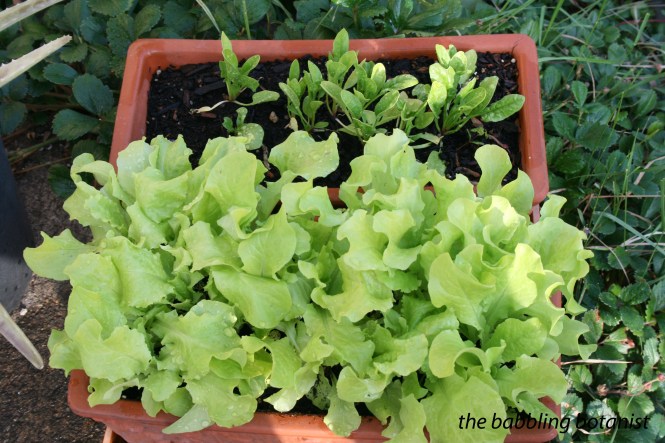
Lettuce and spinach in boxes. The lettuce seems much happier than the spinach.

IMG_5448 copy

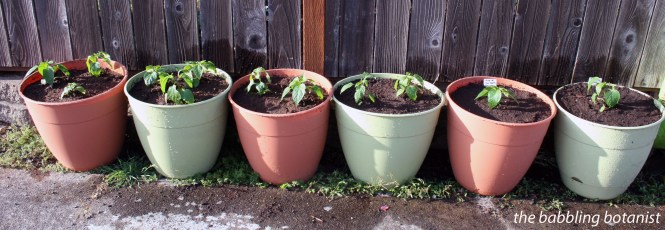
Peppers in pots! I am excited about this because I ended up turning it into an experiment. Yep, I’m a dork like that. I got pretty big (16″, 32 quarts of dirt) pots, and thought, “I wonder if I could grow multiple peppers in each pot and still get a good yield?” So being the dork I am, decided I’d grow 1, 2 or 3 peppers per pot and track the yield to find out. Stay tuned!!

IMG_5426

One pepper per pot – King if the North bell pepper and jalapeno.

IMG_5425 copy

Three peppers per pot. Obviously going to be more crowded than recommended, but how will the yield compare to a pepper with its own pot?

IMG_5430 copy

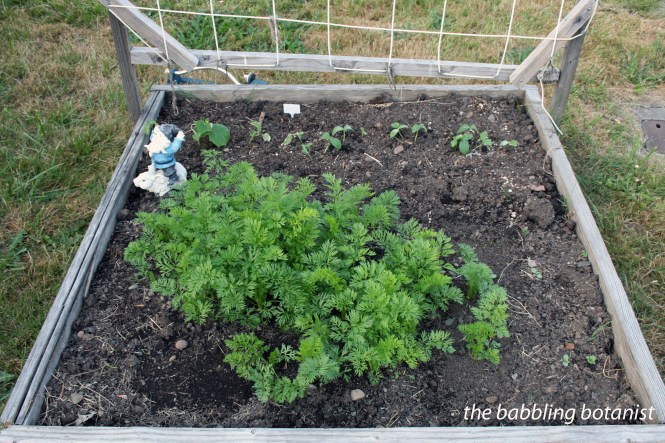
Carrots and cucs.

IMG_5433 copy

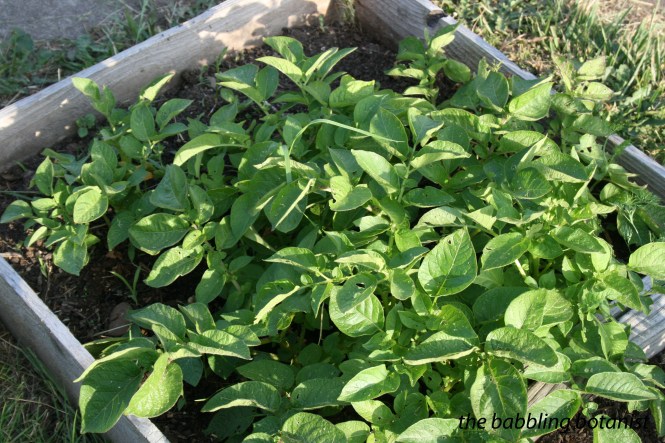
Potato box.

IMG_5440 copy

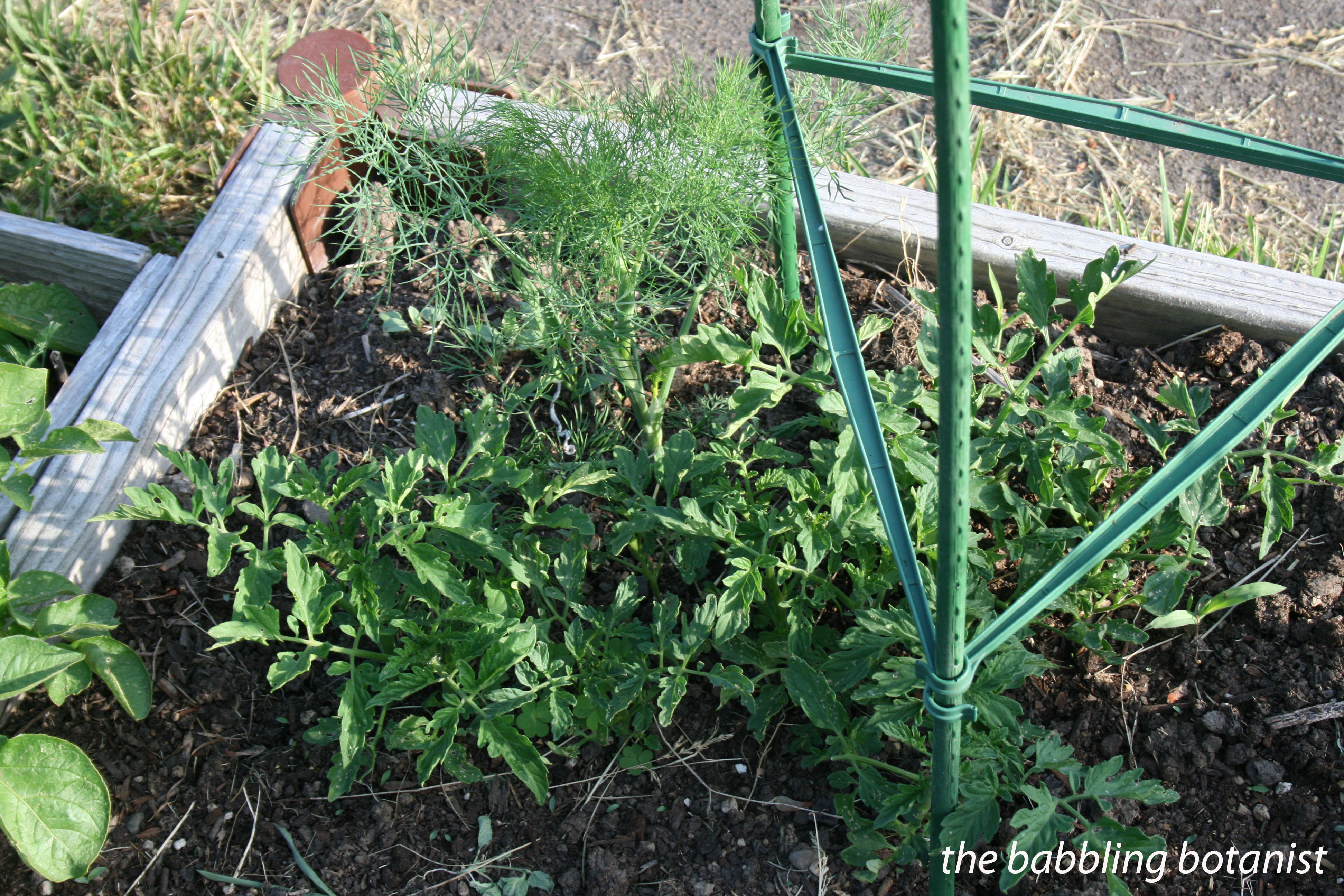
Self seeded tomatoes and dill woo woo.

IMG_5437 copy

How’s your garden growing?

Zucchini Chips

Are your zucchini exploding out of control? Are you overwhelmed? Need a solution? Try making dehydrated zucchini chips!

Haha. Yes, I meant for that to sound like an infomercial.

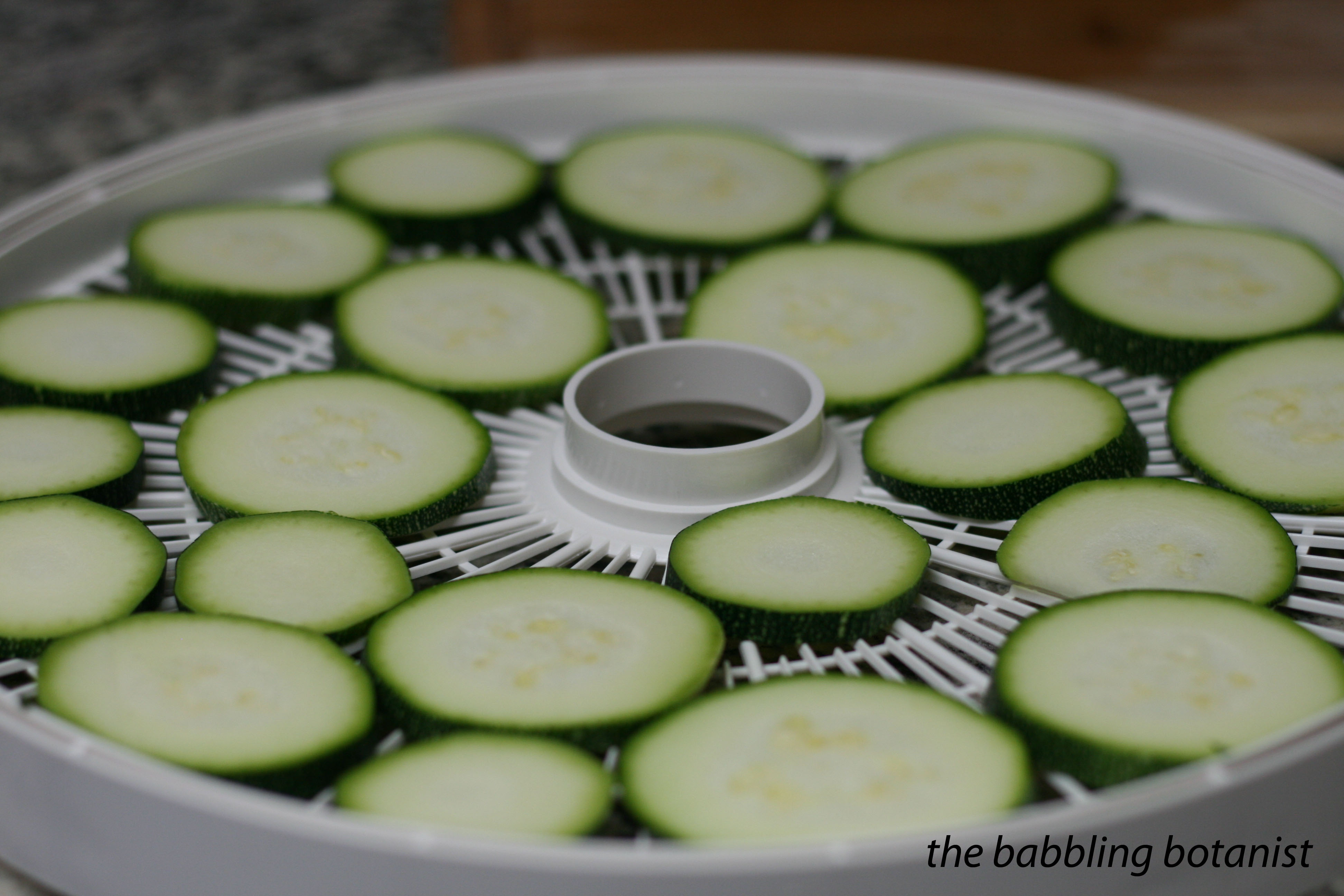
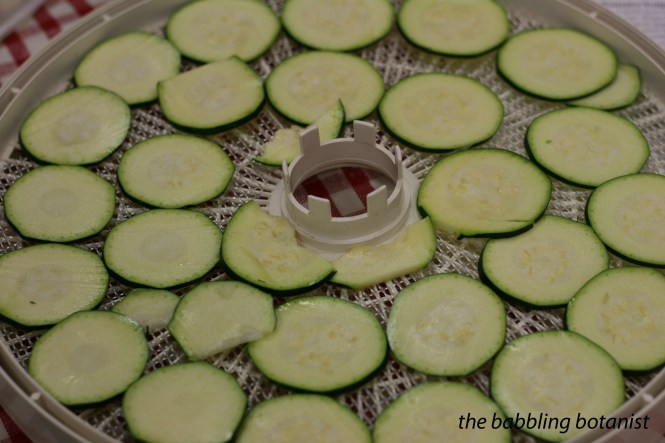
Making zucchini chips is so easy and it really makes a great use of your excess, because they keep for a long time once they are dry and compress down a lot for storage. All you need to do is cut them up in evenish slices, which is much easier with a mandolin. Arrange them on your dehydrator trays without overlapping.

IMG_4059 copy

For this, I used two medium large zucchini to fill 4 dehydrator trays. Spice the zucchini if you would like. Here I salted them and added cayenne. Don’t add too much though, they are really hot the way I made them! I’ve also seen people toss the slices in a bowl with a bit of olive oil, salt and pepper before drying, which would be super delicious also.

IMG_4061 copy

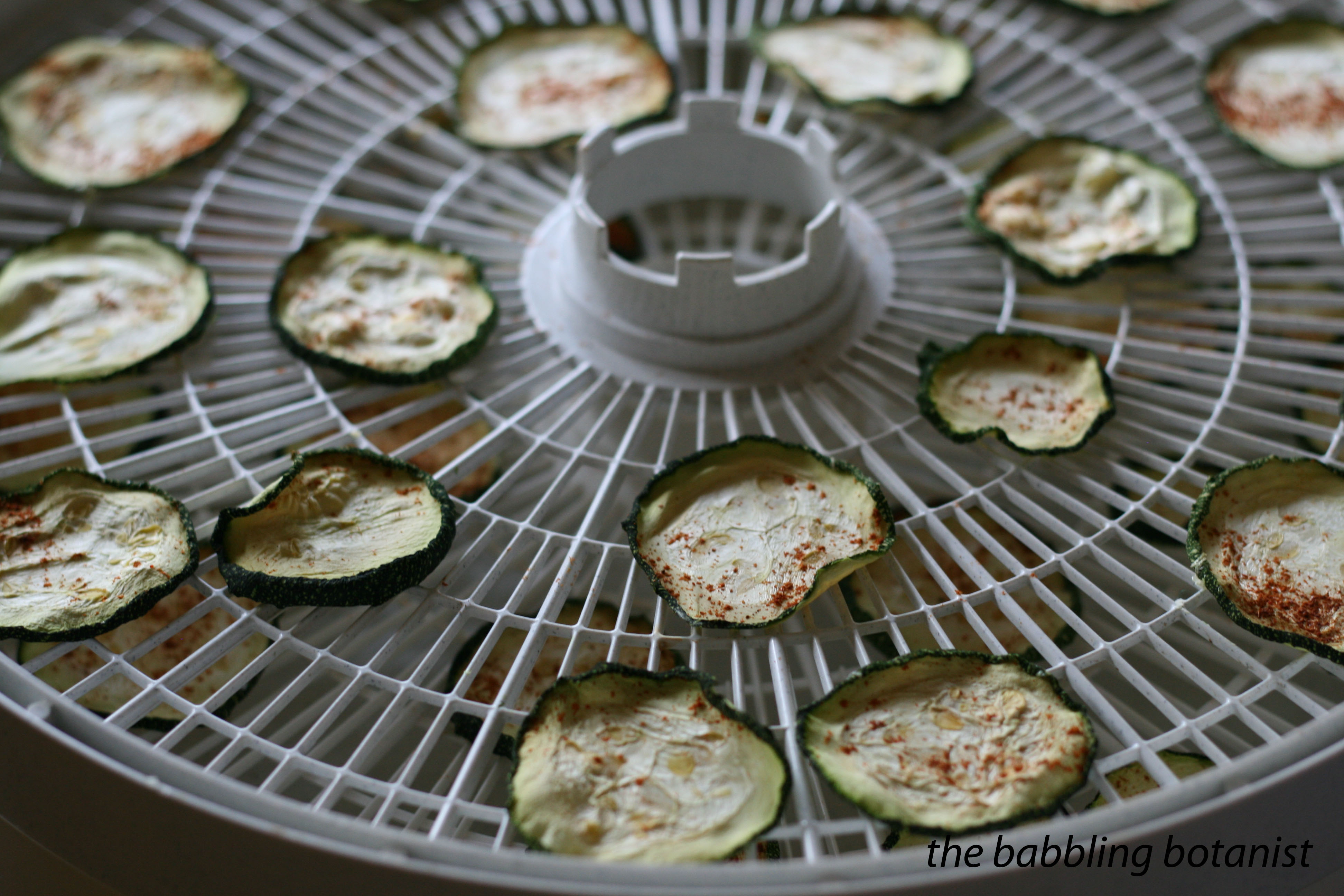
Dry the zucchini at 135-140F. I like to dry them until they are pretty dry and crispy but some people like to leave them a little moister, so it’s really up to personal preference. Dried until the are still slightly pliable is most people’s preference.

IMG_4063 copy

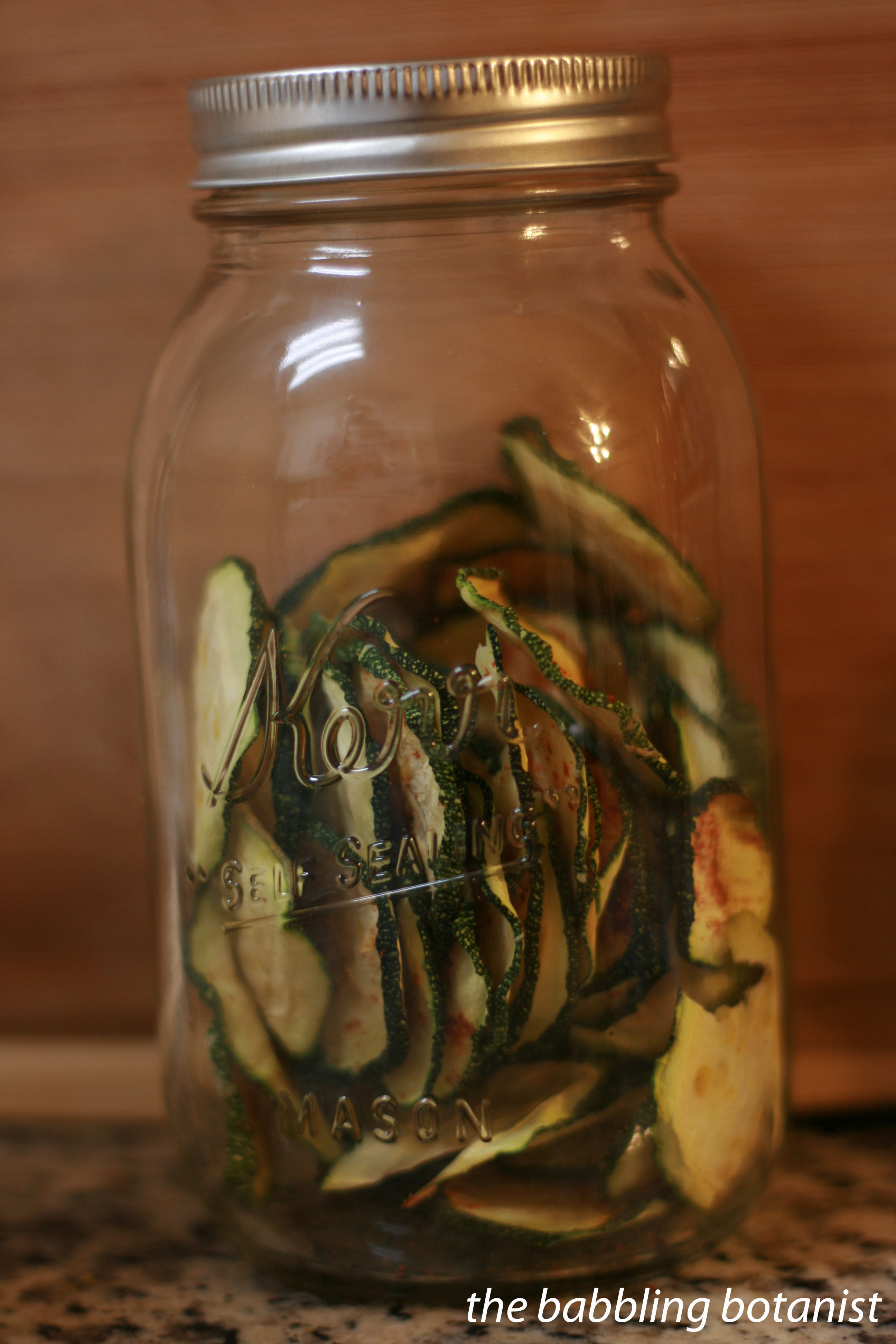
Store in an airtight container. This is two zucchini, four fully loaded trays and they don’t even fill one quart jar. Eat and enjoy!

IMG_4100

Want to make this but need a dehydrator? I have this one and love it.

*this post contains affiliate links, please see the “About the Blogger” page for more information
Master Food Preserver Class – Week 6

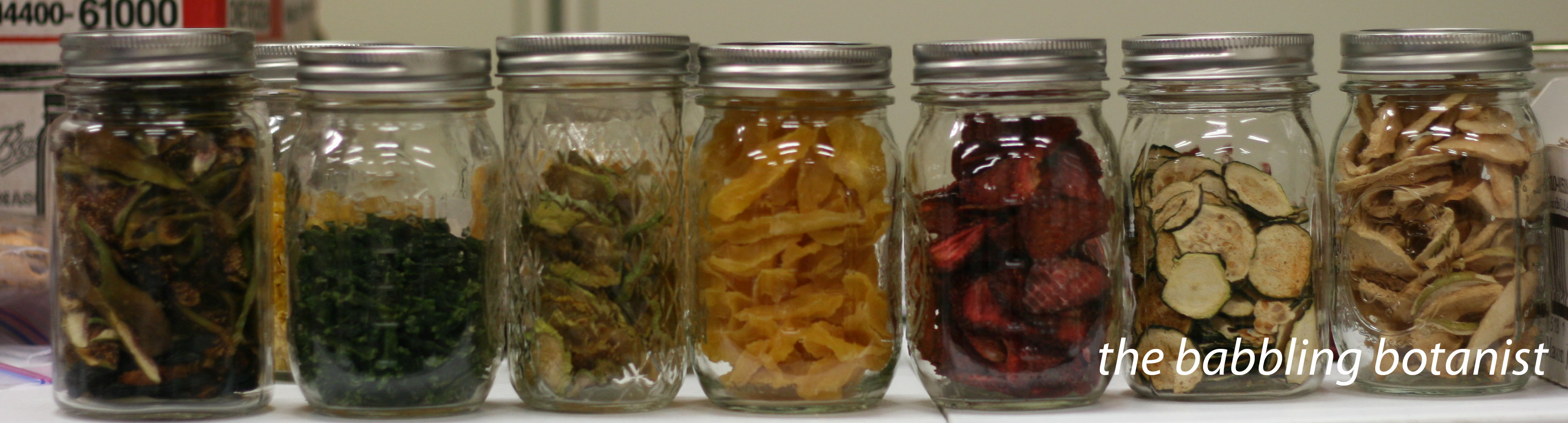
I was a little sad that by week 6 of my Master Food Preserver class we were done with canning. Maybe that’s why it’s taken me so long to write this post 😉 But actually, I learned a lot about dehydrating fruits and vegetables, which was great because it is something I have a little less experience with doing at home.  Some of the fun things we either made in class or they had for demos are pictured below. From left to right we have: figs, green beans, tomatillos, canned apples that were dried, strawberries, zucchini, and regular apples.

IMG_3235

One awesome thing about dehydrating is there are not too many safety concerns, as with canning. Things are more flexible, such as how large you want to cut pieces of food and how long you want to dry them. Now they should be sufficiently dry, but there is still a bit of flexibility there. Microorganisms and enzymes require water, so when you dehydrate food, you make conditions that are not favourable for food spoilage. It has been shown that pathogens can survive the food drying process, but there are actually no documented cases of people becoming ill from home dried foods, so it is a pretty safe preservation technique. You can also pretreat fruits with either an acid solution (citric or ascorbic acid), or sodium metabisulfite, and blanch vegetables to reduce this risk even further. Also, let’s keep meat in the back of our heads as a side note. Today I’m referring to drying fruits and veggies, and week 7 we talked more about drying meats, which have a couple safety steps that you need to remember.

Fruits and veggies can be dried using a dehydrator, your oven, solar dehydrators, or many things like herbs can simply be air dried. Commercial dehydrators, like this one which I have, can be a worthwhile investment if you are going to do a lot of drying. Using your oven often creates a lower quality product, partially because ovens are not really designed for the low temperatures at which you normally would dry things. The oven will also take longer and use more energy than a dehydrator.

Here are a few things we made in class.

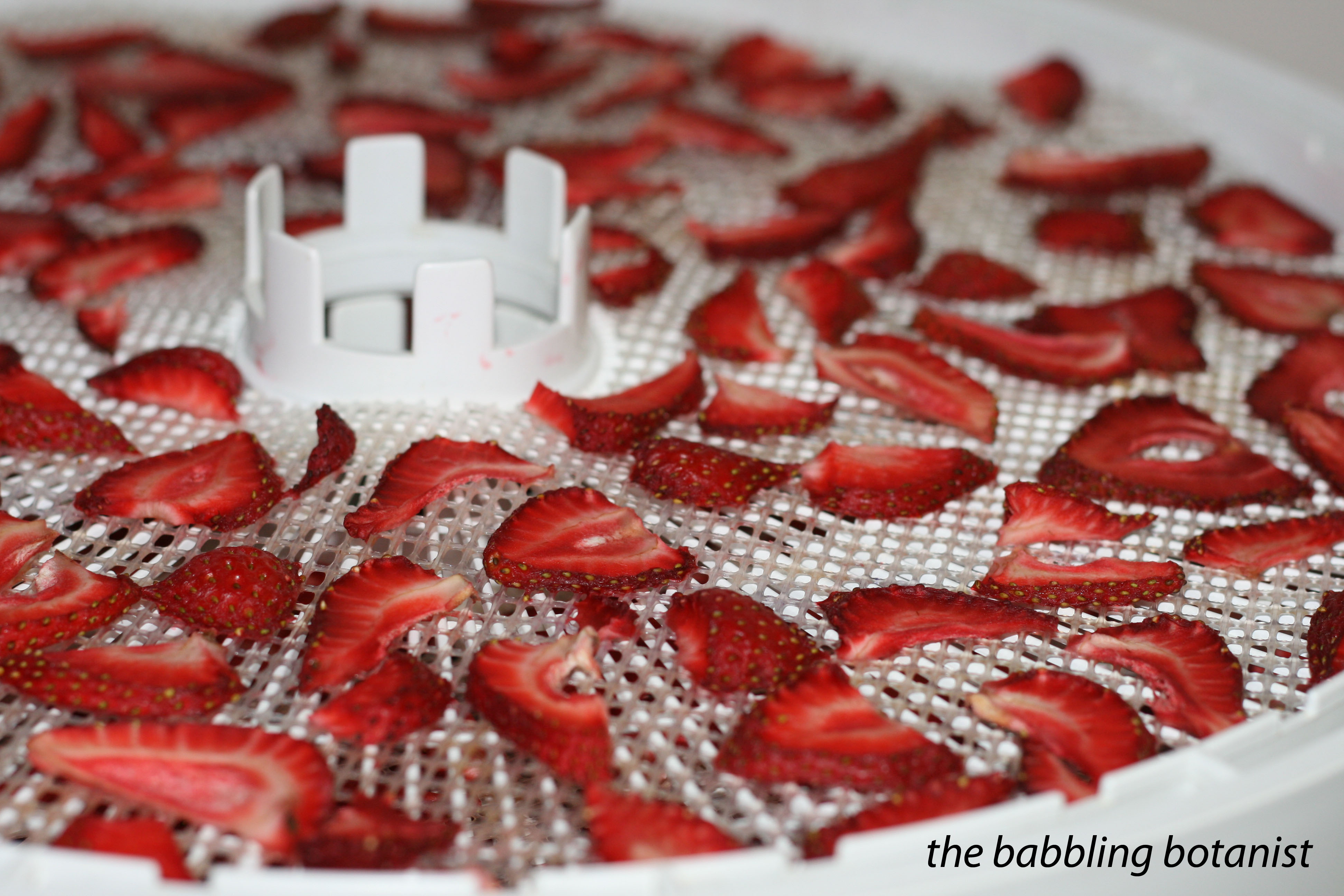
Strawberries.

IMG_3246 copy

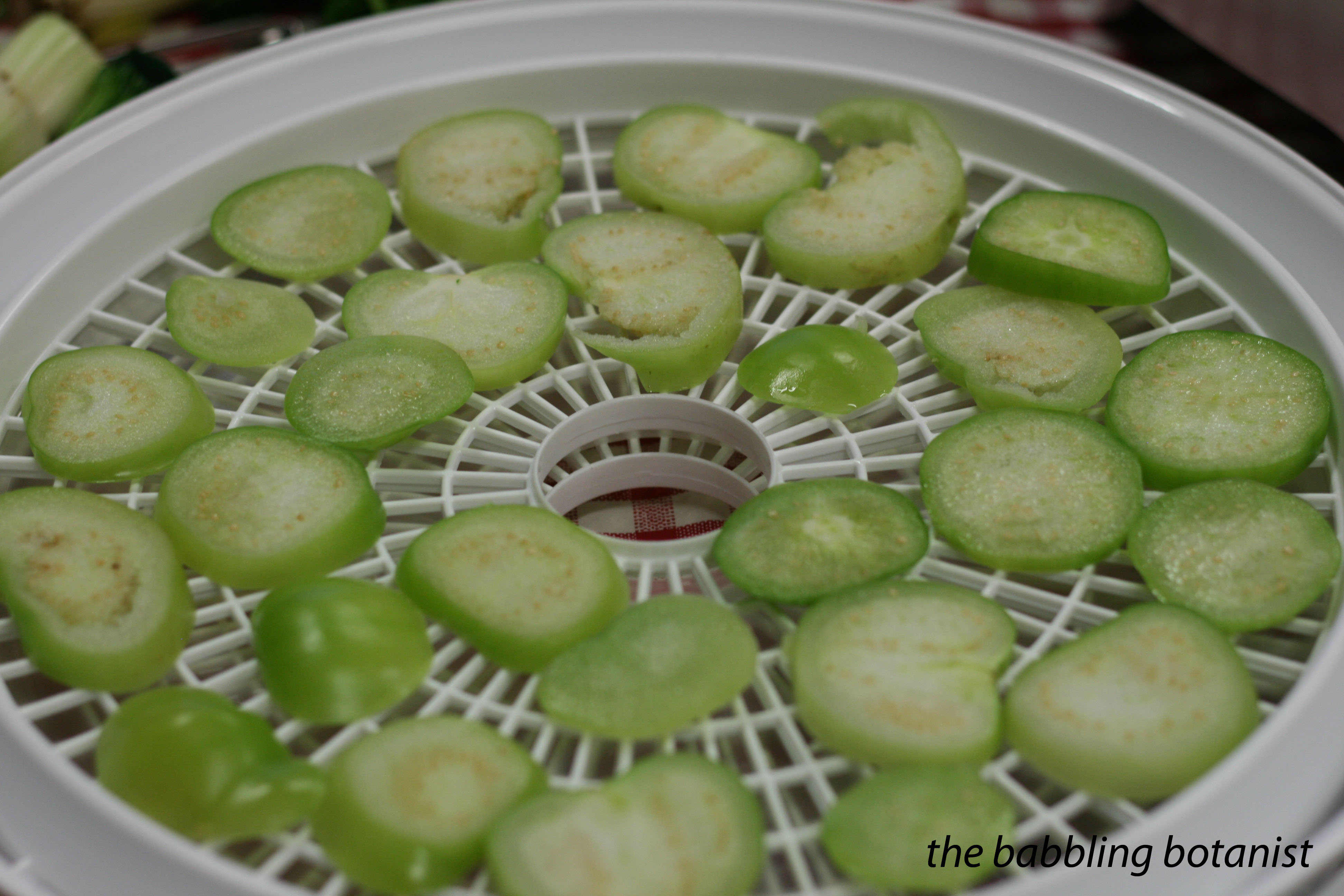
Tomatillos.

IMG_3232 copy

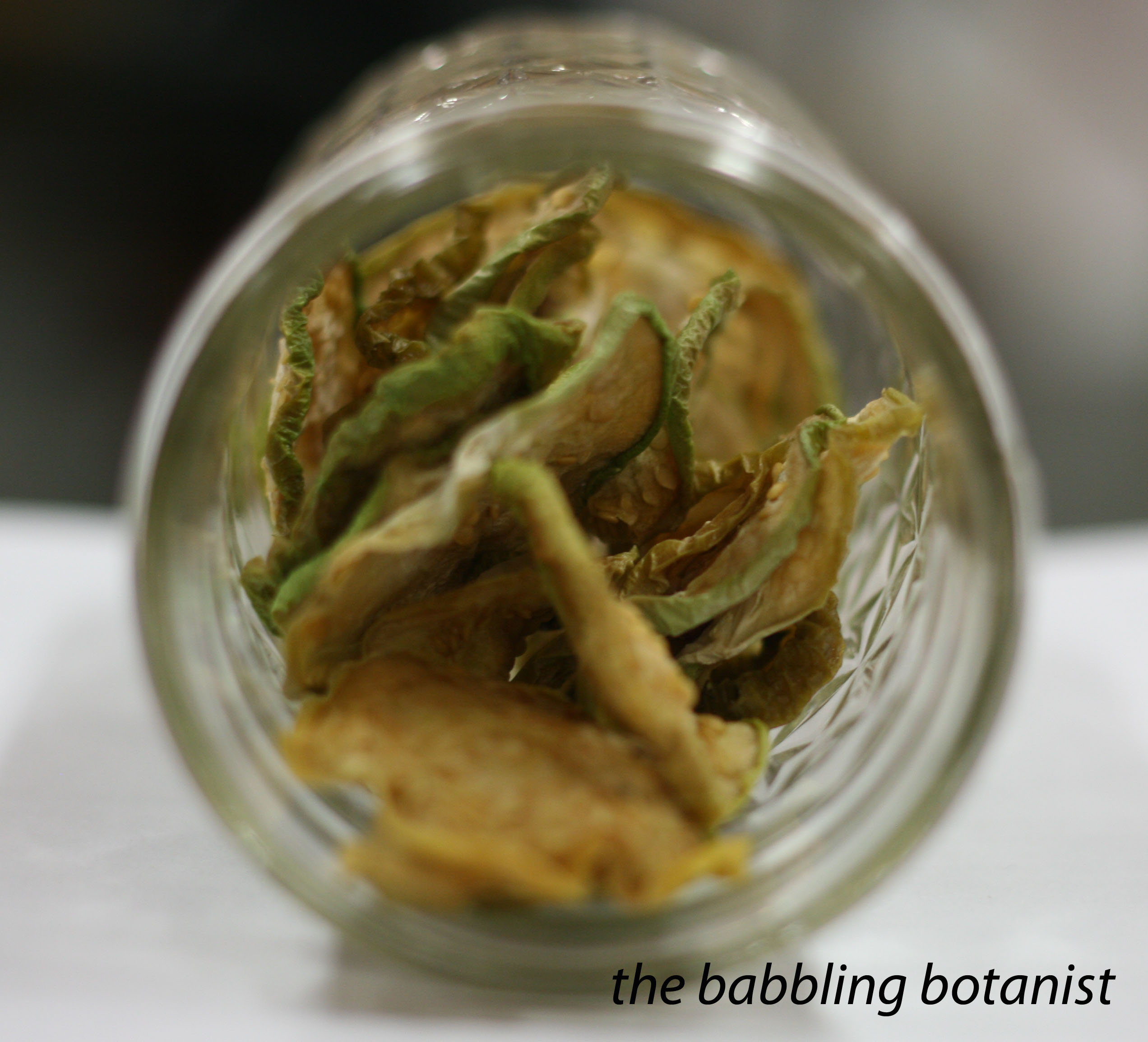
And what they look like after they’ve been dried. Janice described them as a tart, sweet surprise. Perfect description!

IMG_3230

So how does the nutrition of dried foods compare to fresh? One of the things that does become diminished in drying is the vitamin C, and this is because it is a water soluble vitamin, and drying eliminates much of the water content of the food. Doing pretreatments of fruit, such as the ascorbic acid dip, helps to reduce nutrient loss, preserves colour and flavour and increases the quality and storage life of dried foods. As an example of these pretreatments, fruits can be dipped for 10 minutes into pure pineapple, orange or lemon juice, or a mixture of 1/2 teaspoon ascorbic acid per quart of water. To destroy more of the pathogens and be extra safe, this can be increased to 8 teaspoons of ascorbic acid per quart of water. Be sure not to over soak the foods, or nutrients can end up being lost, and drying time will increase. For many vegetables, you should blanch as a pretreatment, just like when freezing, to destroy enzymes. Different vegetables should be blanched for differing amounts of time, but in general they should remain firm but still be tender. That can be hard to gauge, so look up blanching times and other awesome information in this great extension service publication found here

One of my favourite ways to dehydrate is by making fruit leather, such as this strawberry fruit leather I posted recently. Fruit leathers have a few advantages. First, I love the reduced amount of chopping. Slicing strawberries, like pictured above, and drying those, is a heck of a lot more effort than pureeing in a blender and pouring on a tray. You do need the extra trays, however, but I think they are worth the investment. I prefer the texture somewhat as well, because fruit leathers are done when they are still a bit tacky, and not brittle.

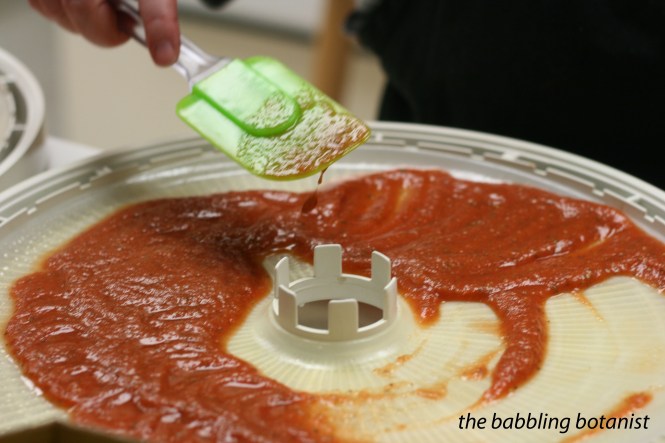
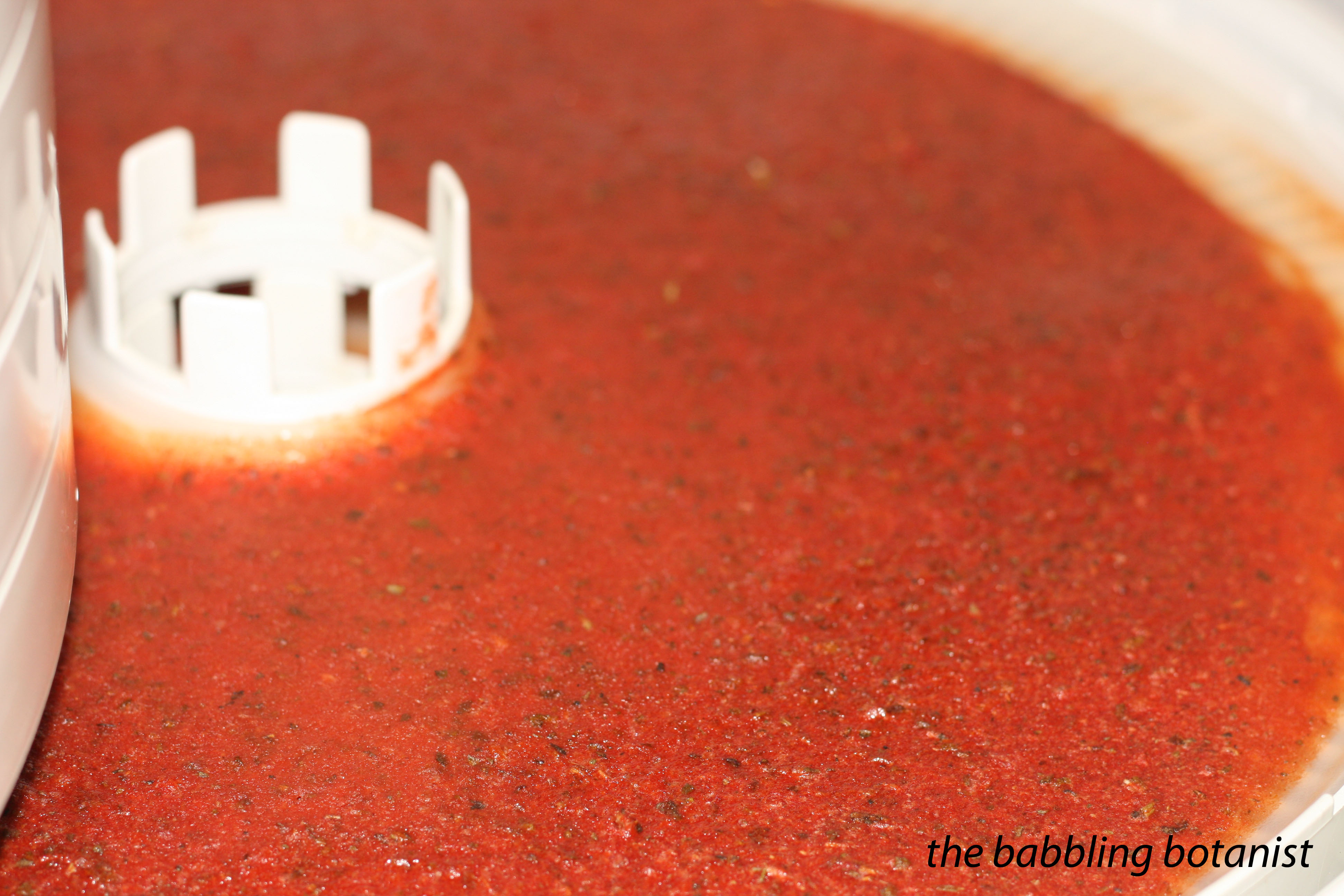
In class we made “pizza leather” which is 15oz of stewed tomatoes, 8 oz of tomato sauce, and dried herbs on top. It is a pretty tasty snack.

Spreading tomato sauce out for the pizza leather.

IMG_3217 copy

And once it is done. I think it would be delicious slapped on a toasted English muffin with some mozzarella cheese. mmmmmm.

IMG_3248 copy

Vegetables can be great to dehydrate to later use in things like soups. For these, we pretreated the celery by blanching for about a minute, but we did not treat the zucchini or onions.

When you want to use dehydrated vegetables, some times you will want to rehydrate them first. Soak them in 1.5-2 cups of water per cup of dried vegetables, and add more if needed. They should plump to the size before they were dehydrated. They can also just be put straight into soup or stew and rehydrate in the broth.

IMG_3220 copy

Zucchini chips are a great way to use up excess zucchini. You know that you will be rolling in it soon! My first one is about ready to harvest.

IMG_3224 copy

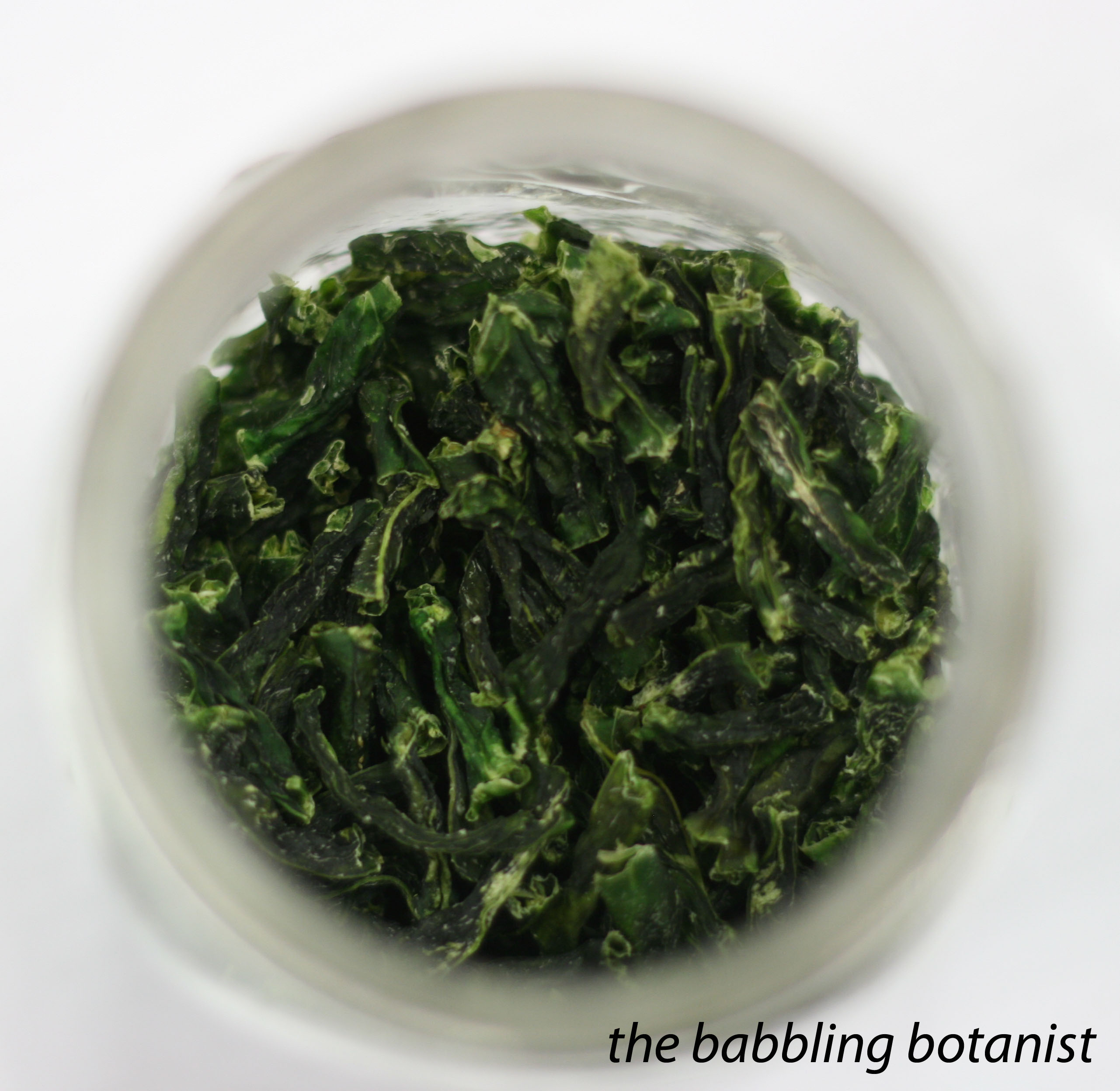
Dried green beans. Yup, just randomly inserted here because they were pretty.

IMG_3226

Dried foods should be stored in air tight, food grade storage containers. Canning jars are pretty great for this if you already have a lot on hand. Some times though, little critters can still get in there. Ewwww. Obviously, discard something this nasty.

IMG_3244 copy

And finally, our bounty of dried foods. It’s crazy how much things shrivel down. OK, now I am hungry. Time for some lunch.

IMG_3558 copy

*this post contains affiliate links, please see the “About the Blogger” page for more information